
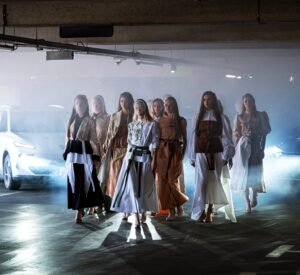





The latest edition of Feeric Fashion Week opened in Sibiu, reaffirming its position as one of the most innovative platforms for emerging international talent. Universities, independent designers and collaborative projects transformed the opening day into a journey through sustainability, cultural heritage, technology and identity, demonstrating that contemporary fashion extends far beyond aesthetics to become a vehicle for reflection.
Cardinalia x Dharug
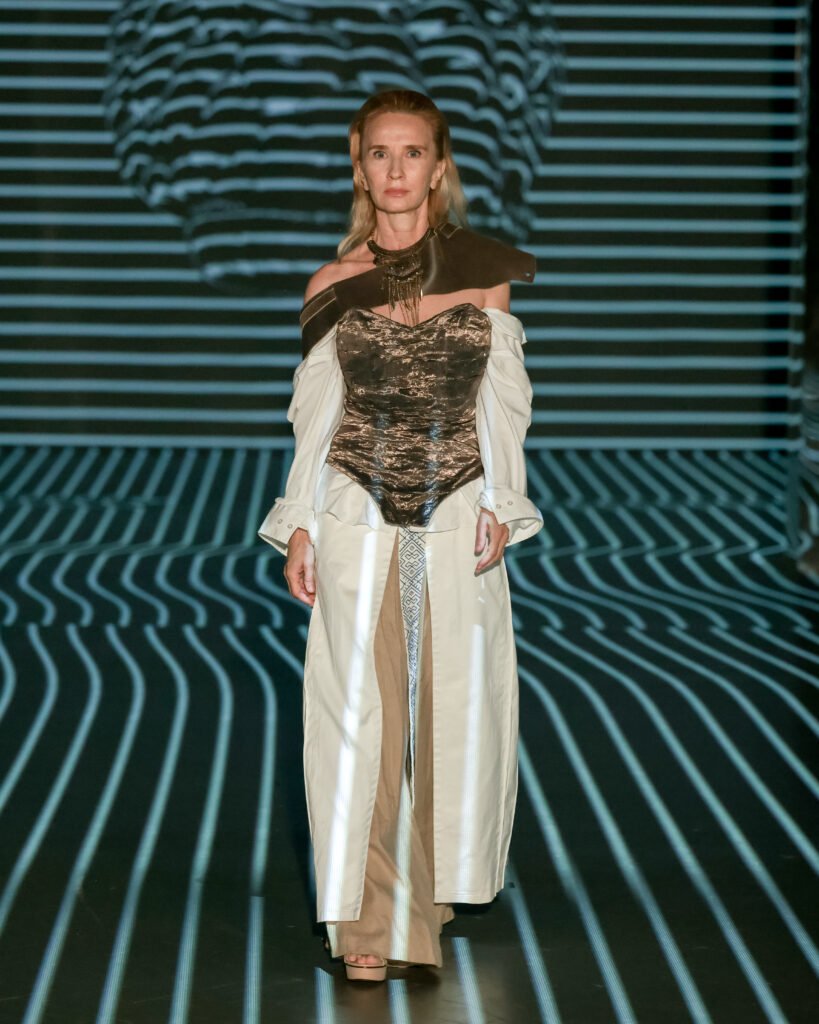
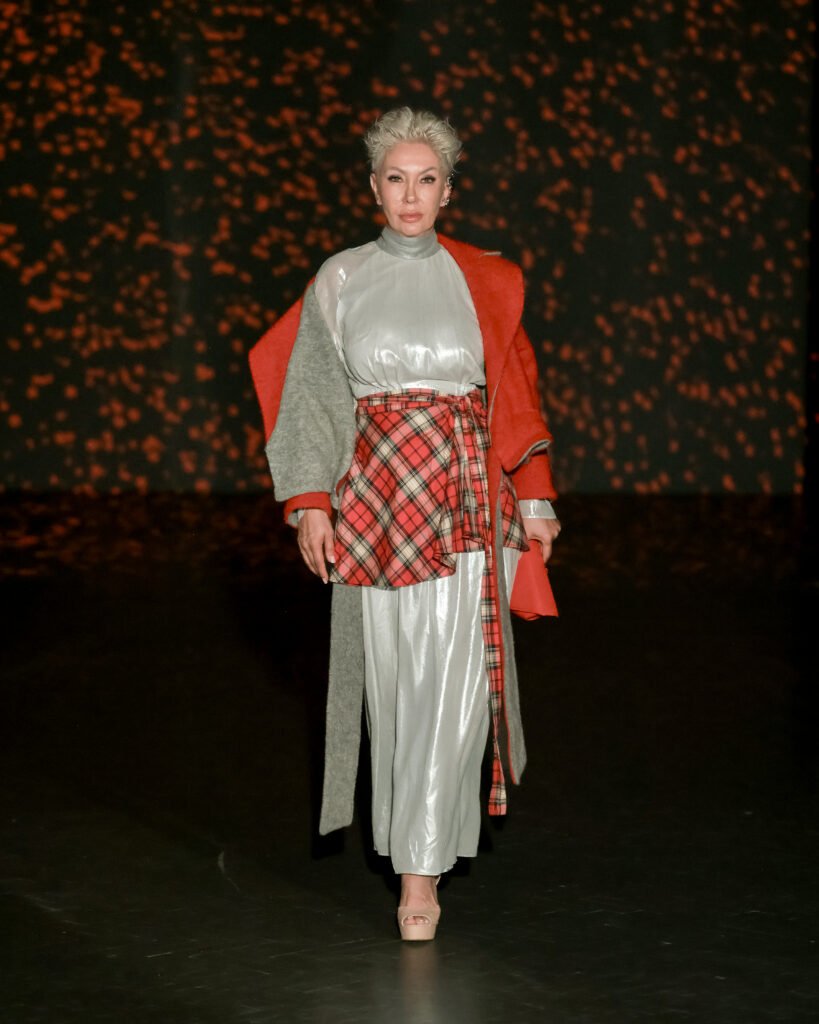
The festival opened with a celebration of diversity and authenticity. Cardinalia Models, represented by women over 35, championed a vision of beauty rooted in experience and confidence, while Dharug presented a carefully curated selection of vintage pieces and emerging designs that positioned circular fashion as a means of preserving creativity. Styled by Andrew Christian, the show conveyed a clear message: elegance transcends age and fleeting trends.

Alexander College — Cyprus
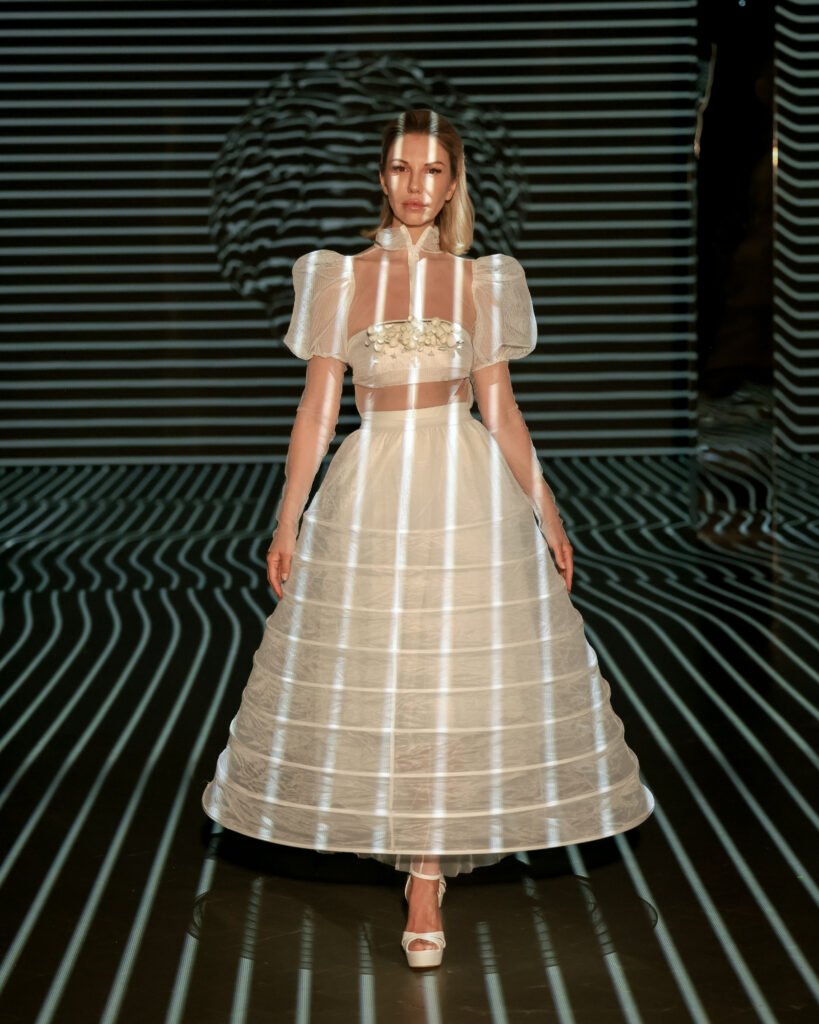
Students from Alexander College made their Feeric debut with a proposal centred on upcycling and textile experimentation. Everyday materials such as plastic, wood and coffee capsules were transformed into sculptural surfaces inspired by the architecture of Zaha Hadid and personal experiences shaped by the conflict in Ukraine. Thalia Kosta’s Memories added a more intimate dimension, reinterpreting Cypriot traditions through memory and craftsmanship.
UFEG — Ukraine
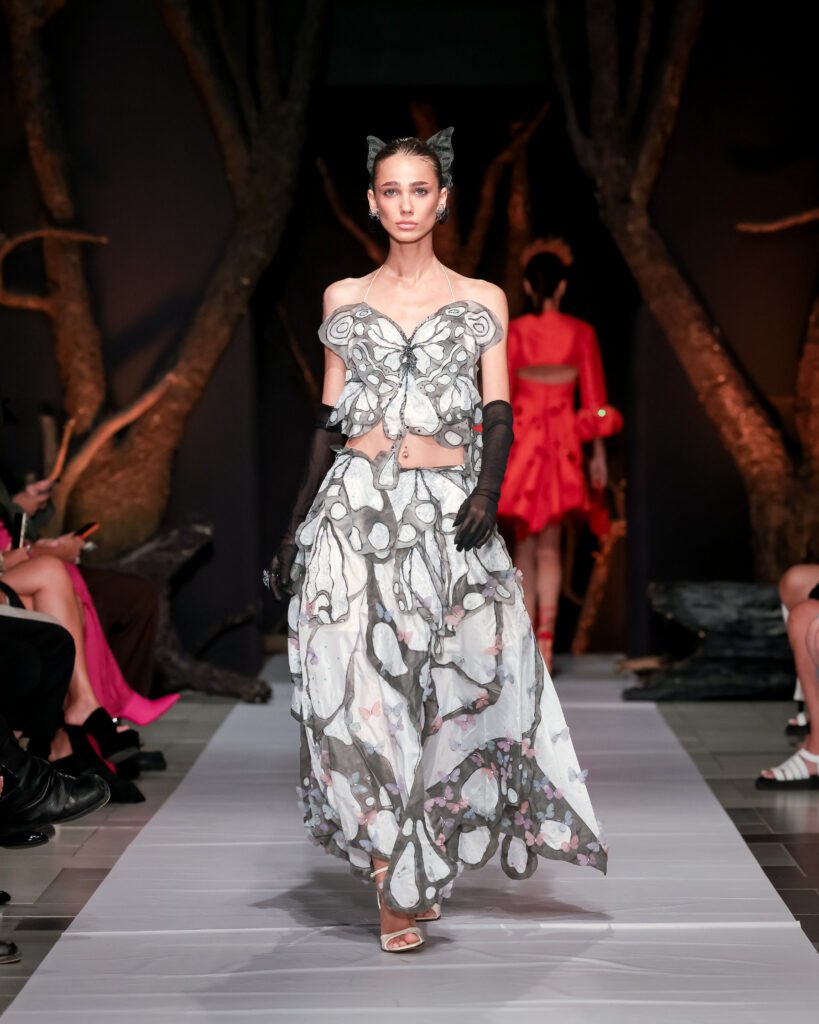
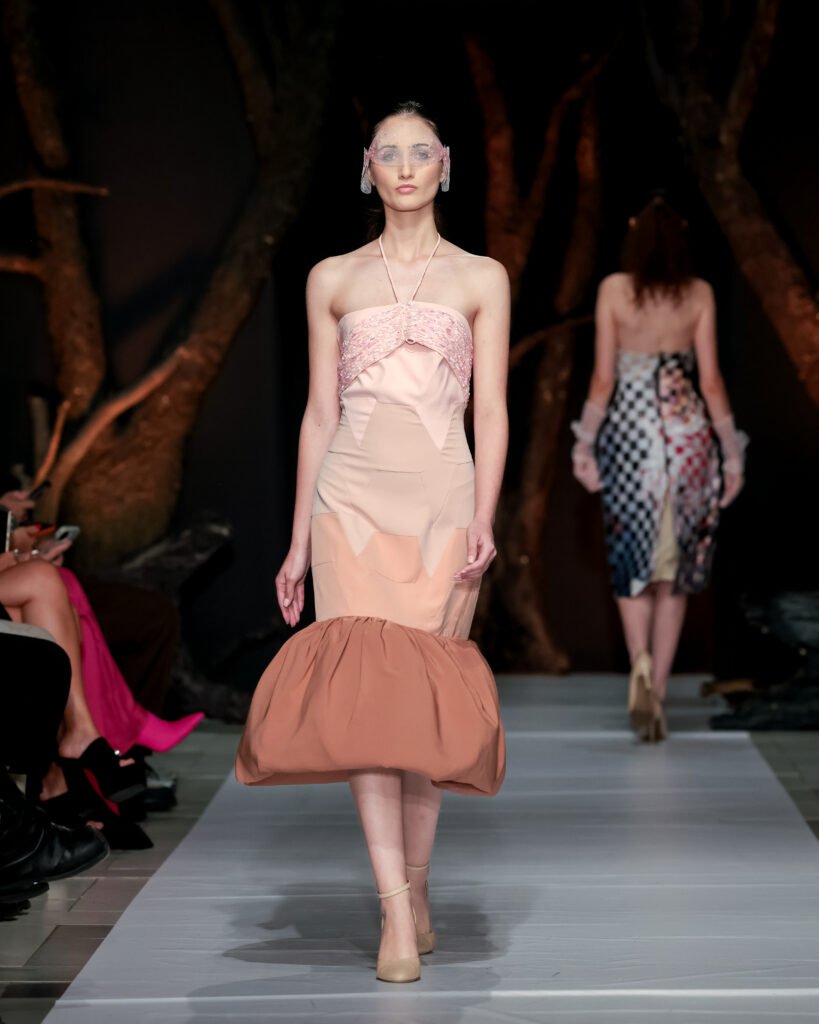
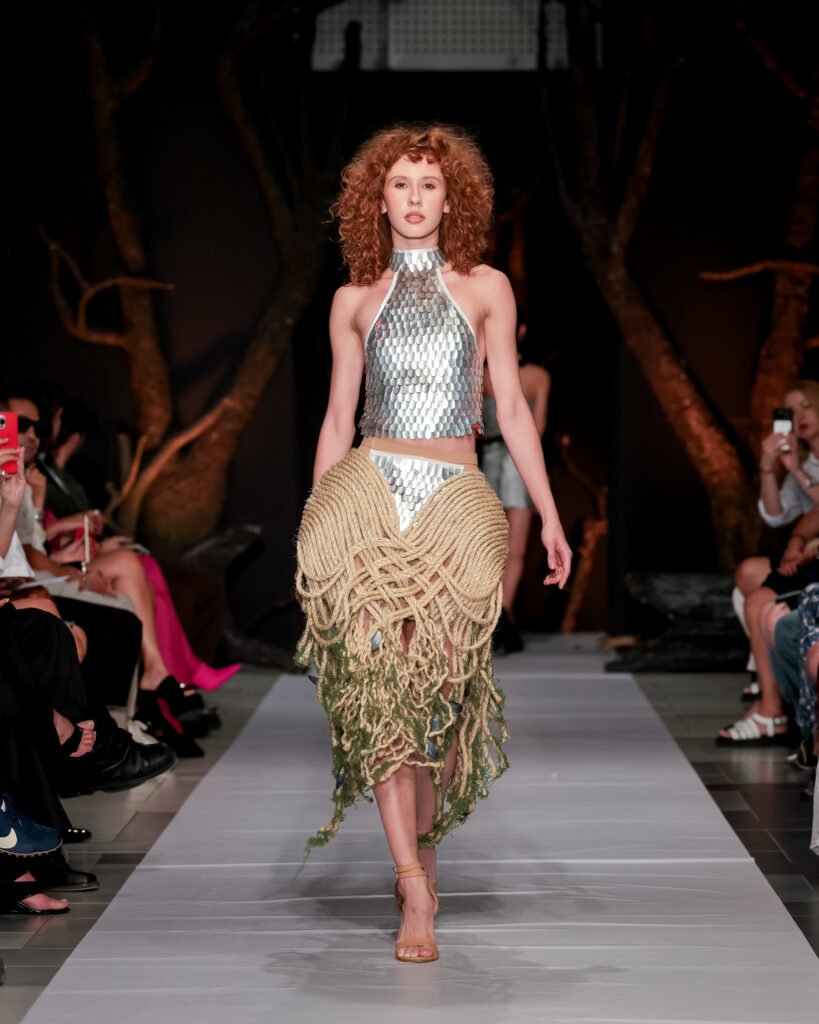
With Homo Deus, UFEG explored the transformation of humanity in the age of artificial intelligence and biotechnology. The collection reflected on the coexistence of the physical and digital worlds through experimental silhouettes and contemporary materials, turning the runway into a space for questioning the future of human identity.
National Academy of Art — Sofia
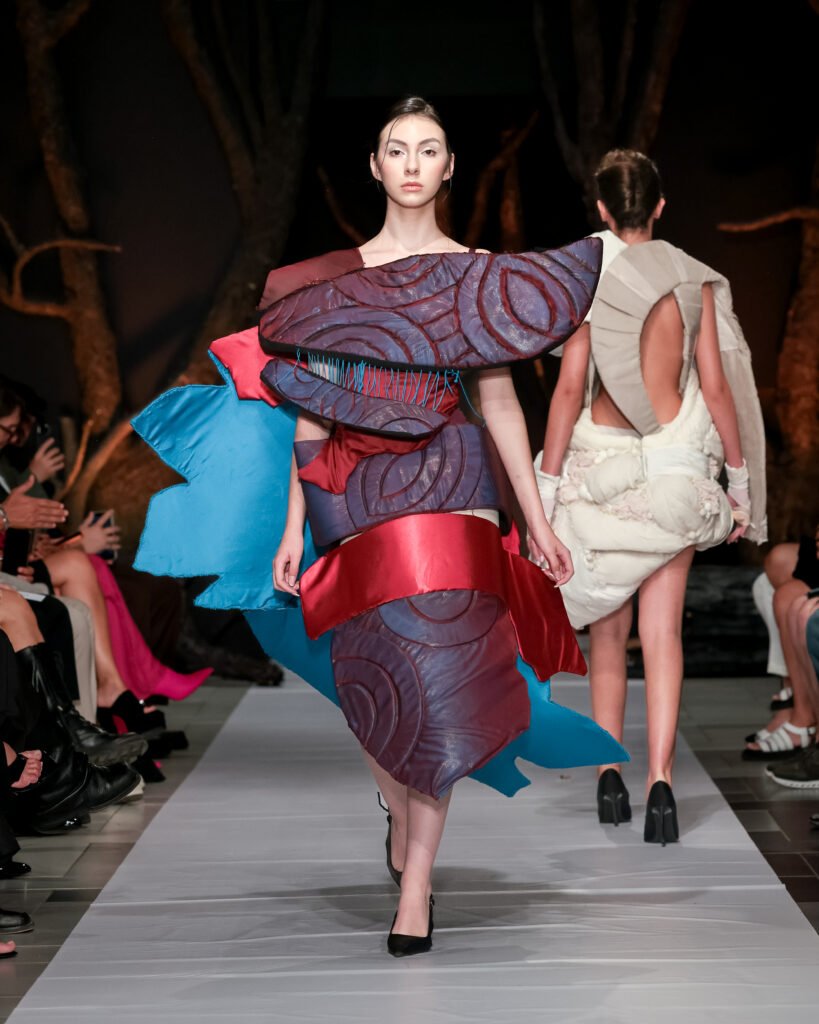
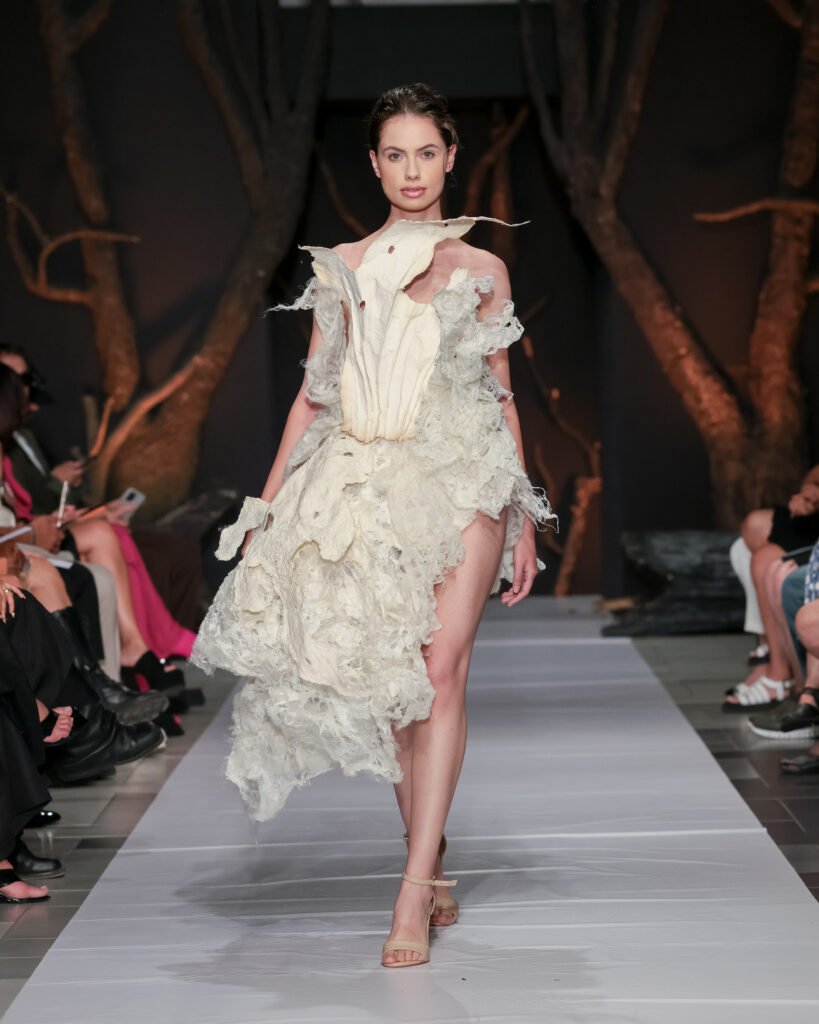
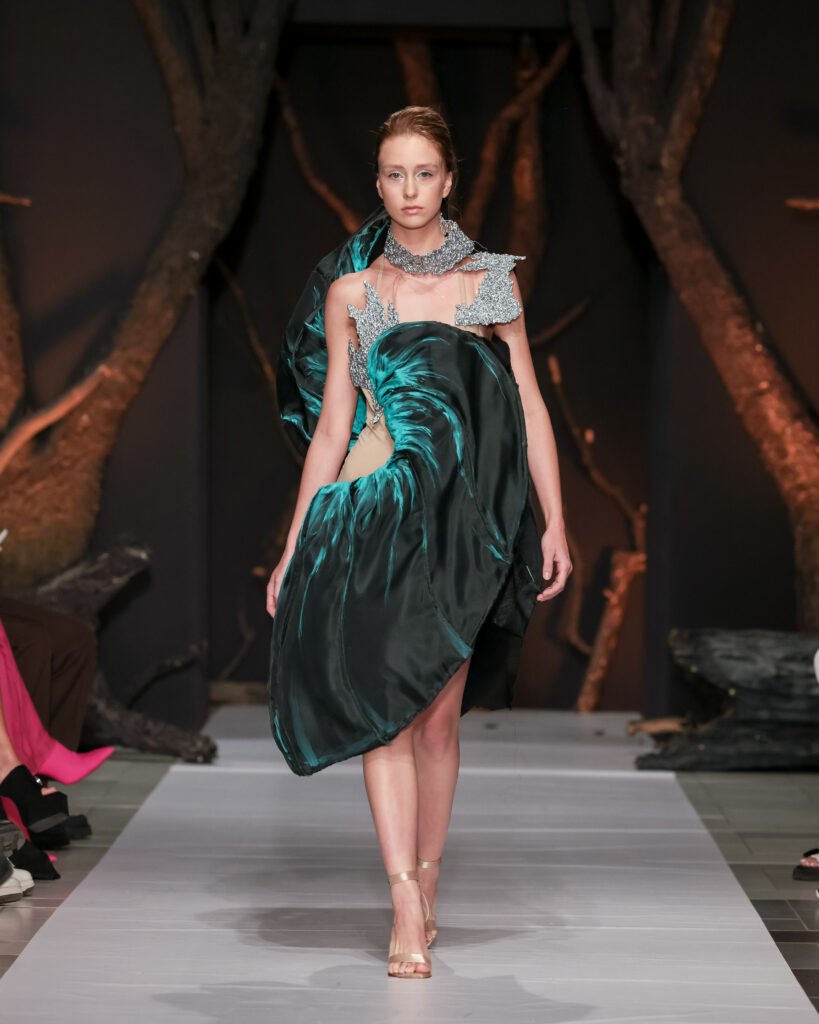
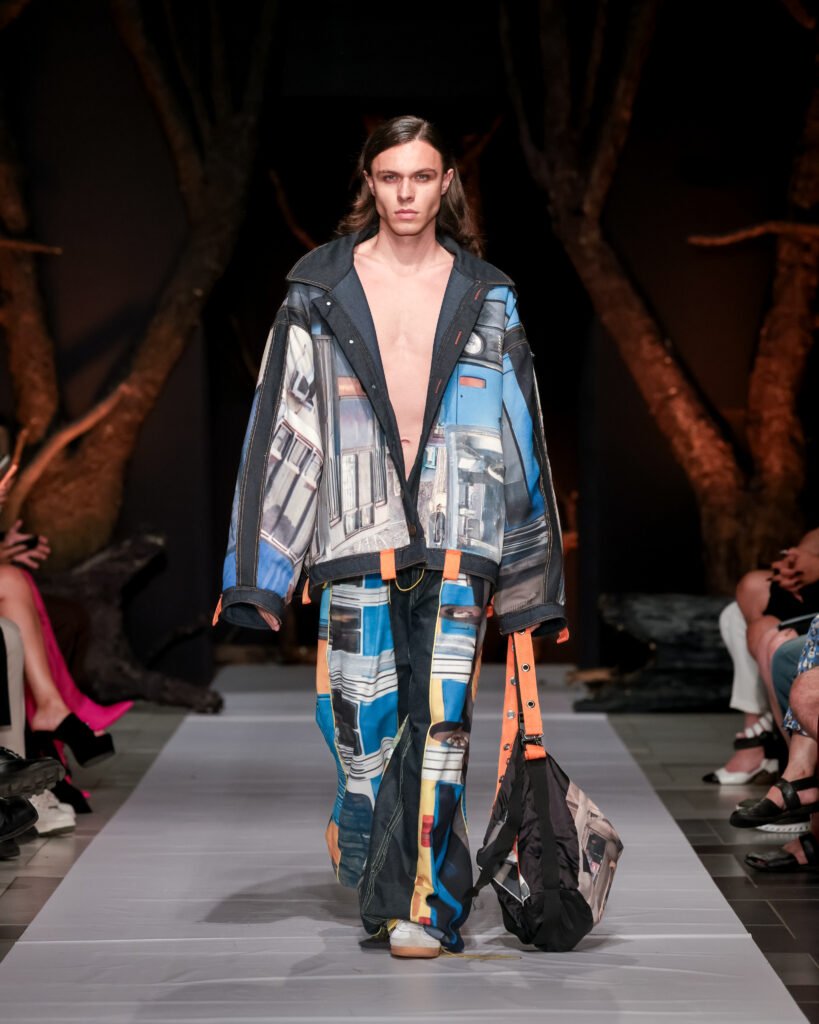
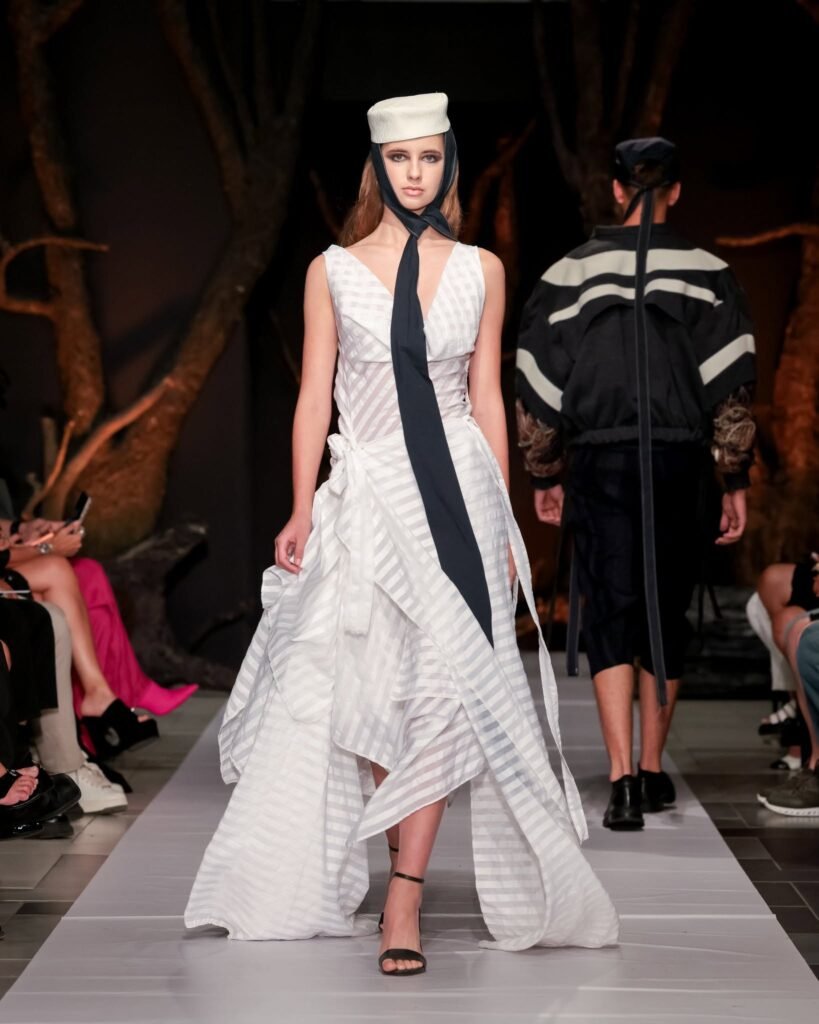
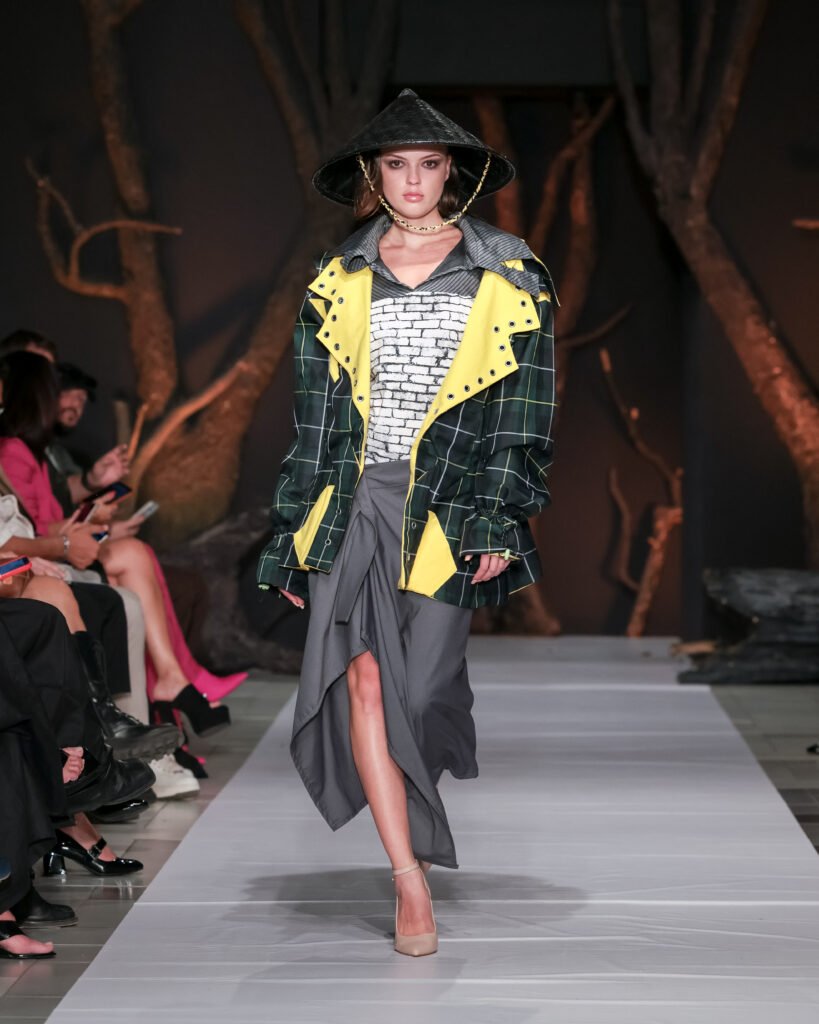
Travelling brought together four Bulgarian designers in a collective collection inspired by travel as an experience of transformation. Natural fabrics, innovative textures and artisanal details created a dialogue between distinct creative sensibilities, united by the idea that every journey leaves both a physical and emotional imprint.
Galala University — Egypt
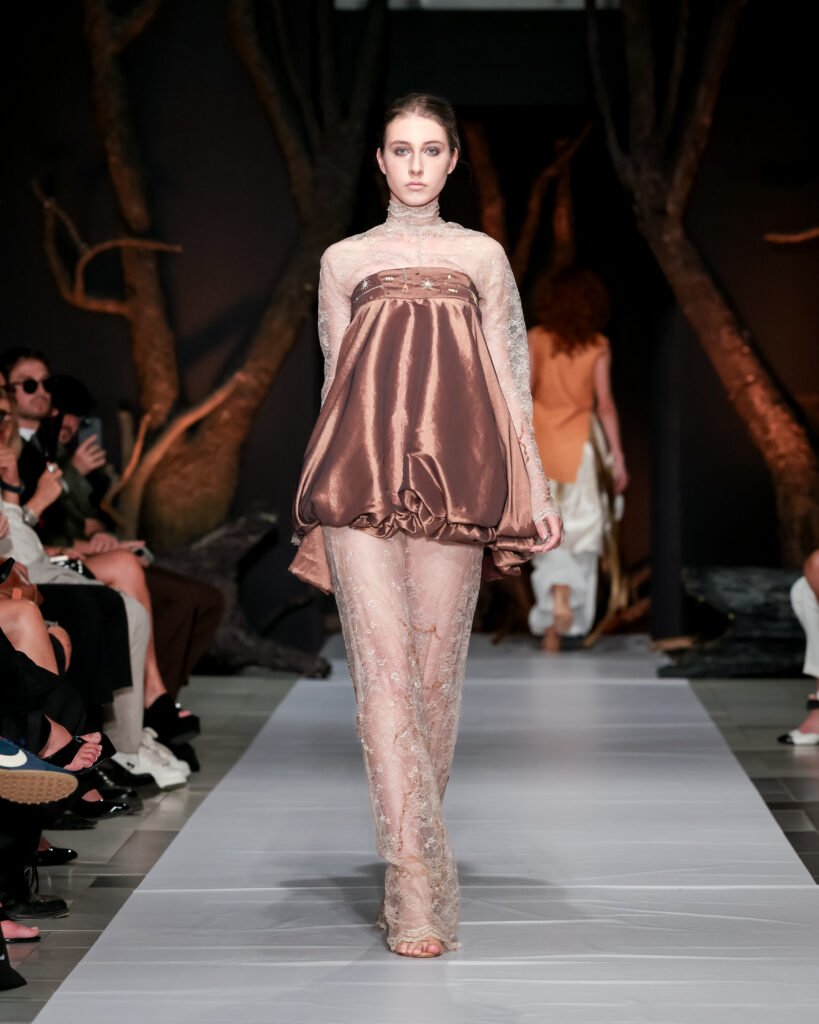
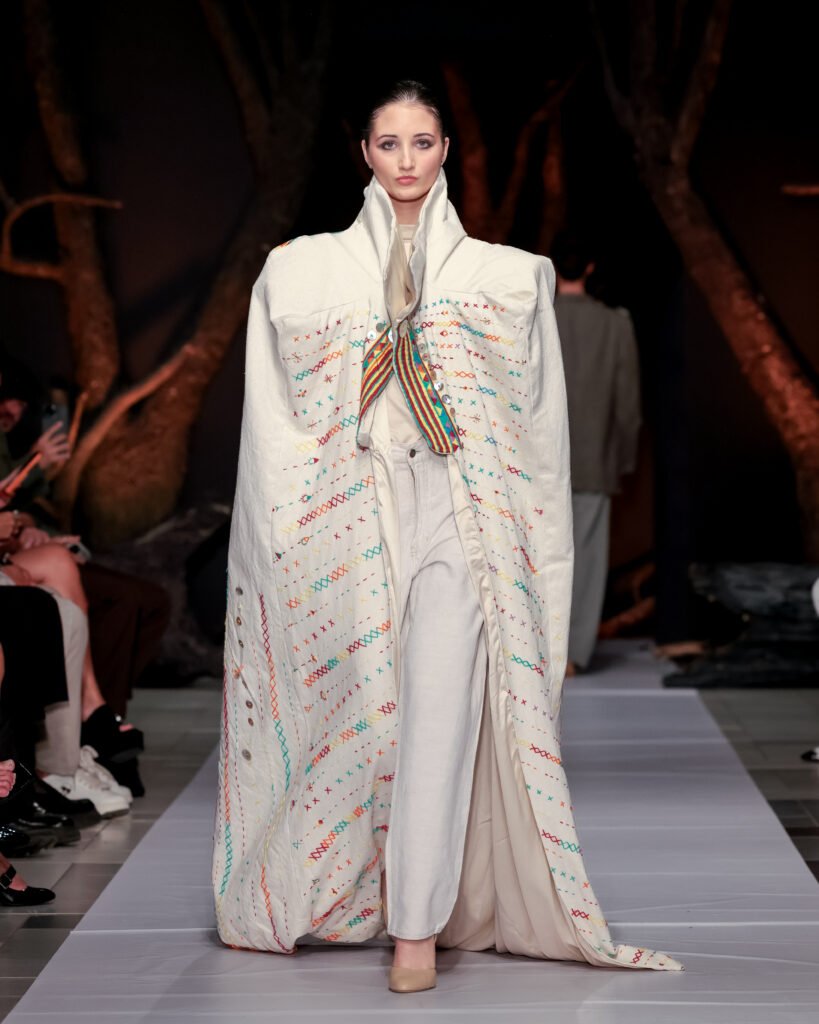
The Egyptian university presented a contemporary reinterpretation of the country’s cultural richness, drawing inspiration from its architecture, landscapes and traditions. Embroidery, printmaking and textile manipulation shaped a collection that balanced heritage and innovation, reaffirming craftsmanship as an essential element of contemporary design.
SYNERGIA by Promenada
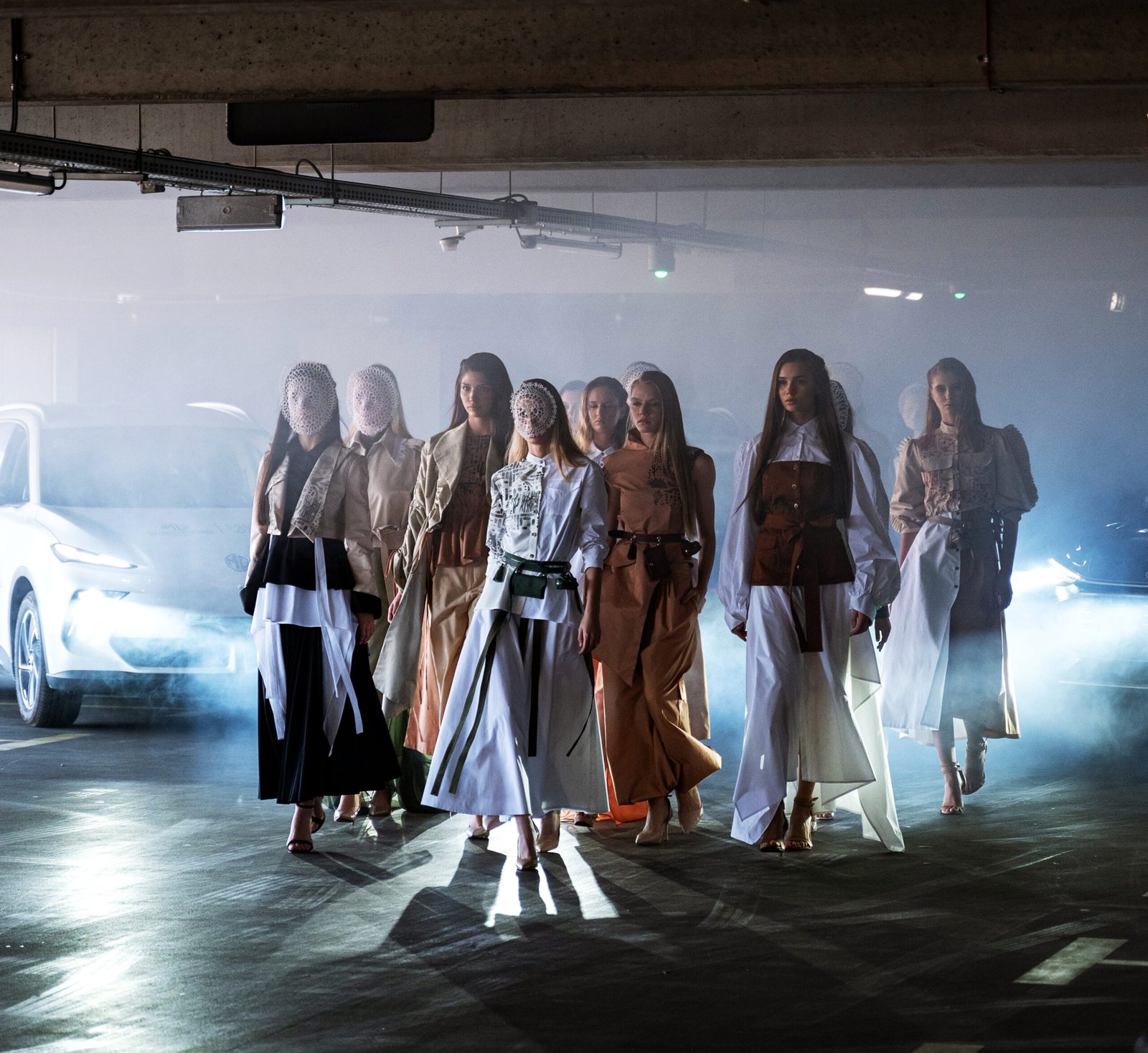
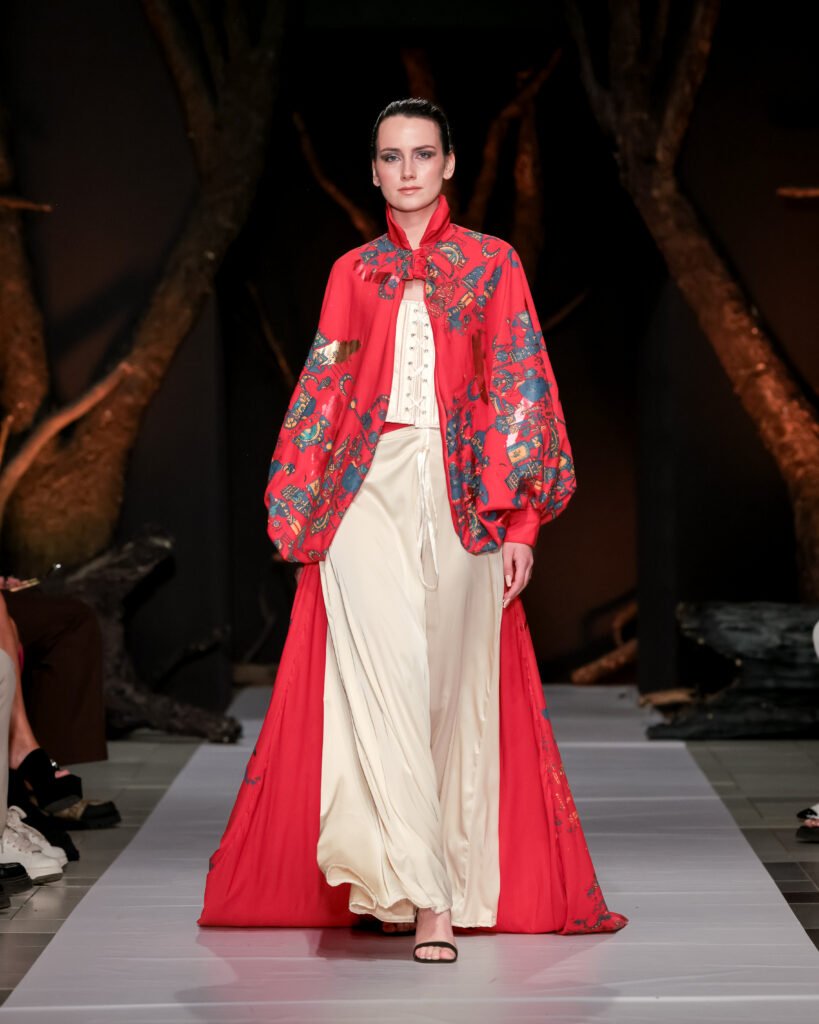
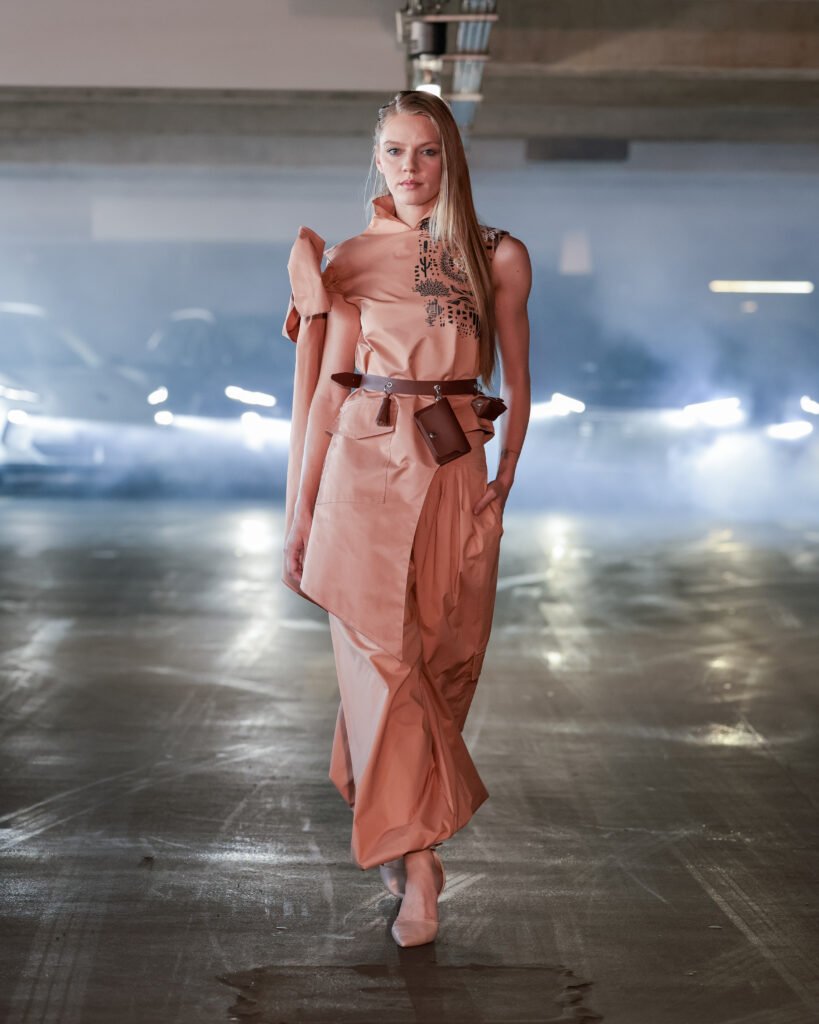
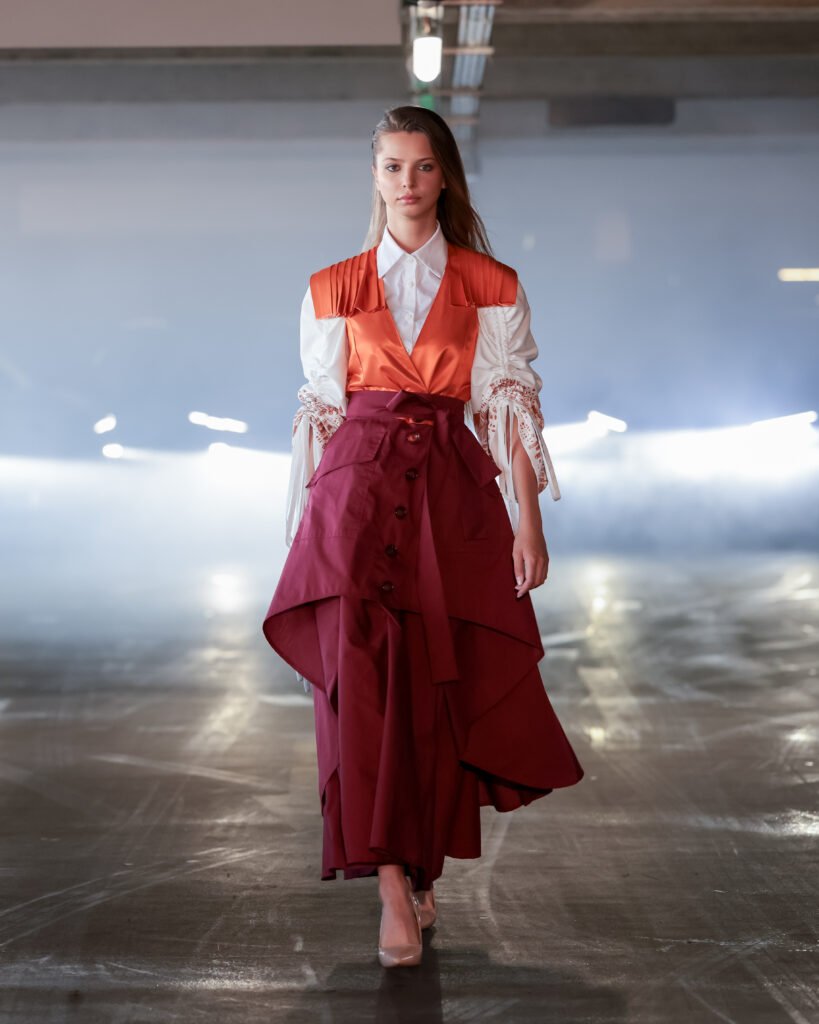
The collaboration between Promenada Sibiu and artist Raluca Elena Cinean resulted in a collection inspired by desert landscapes and the spirit of exploration. Fluid silhouettes, utilitarian details, original prints and delicate handwoven lace created a universe in which freedom and functionality coexisted naturally.
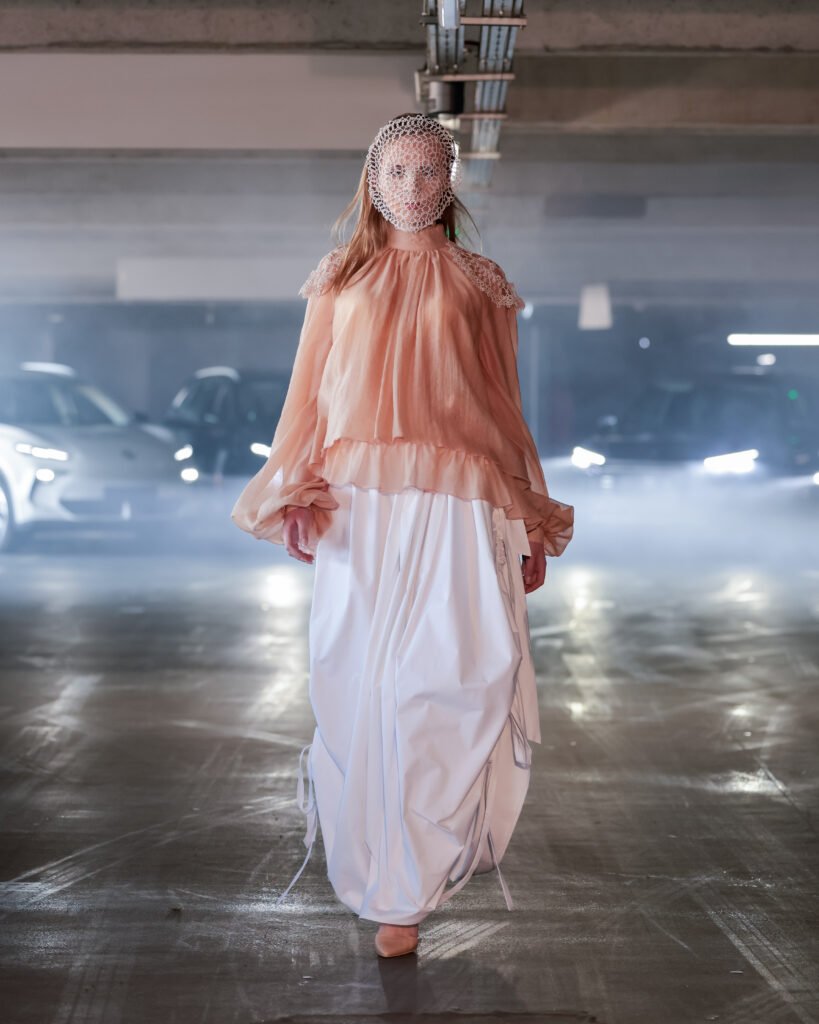
University of Oradea— Romania
The three proposals from the Faculty of Arts shared a commitment to sustainability while approaching it from different perspectives. Iulia Drimbea reinterpreted the traditional Romanian costume; Maria Bianca Minea fused Baroque aesthetics with sportswear using recycled materials; and Marta Titea embraced a bohemian vision developed through natural fabrics and reclaimed lace. Three collections united by respect for craftsmanship and material reuse.
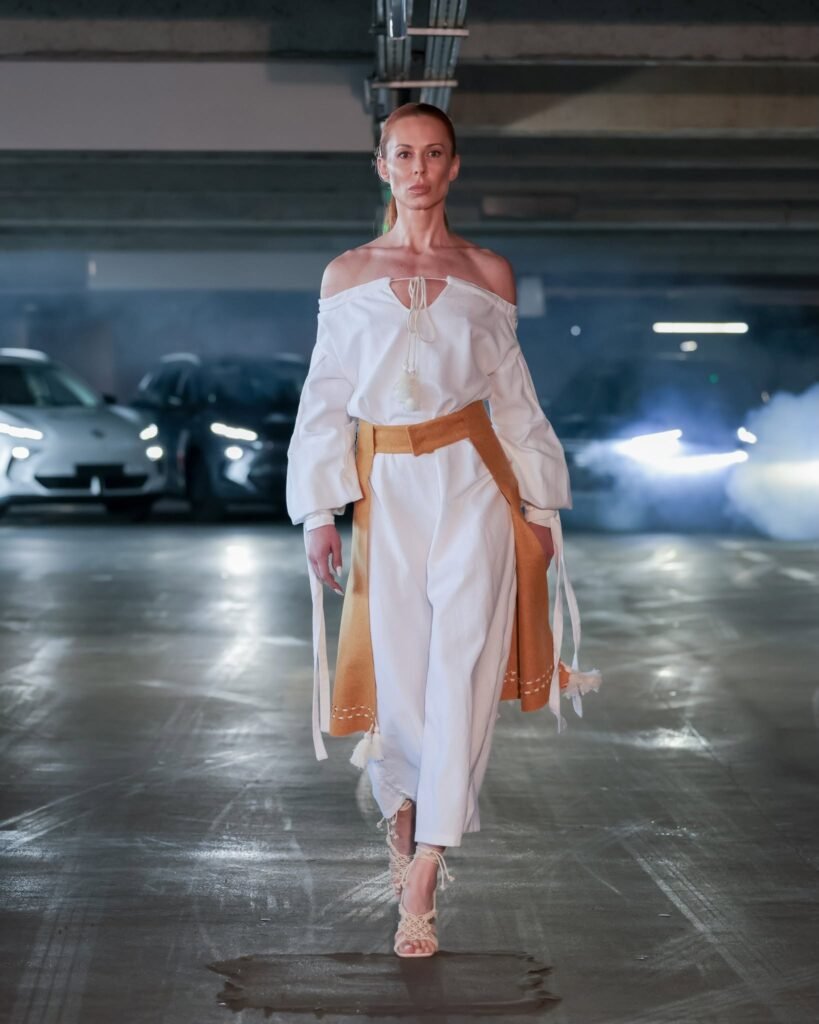
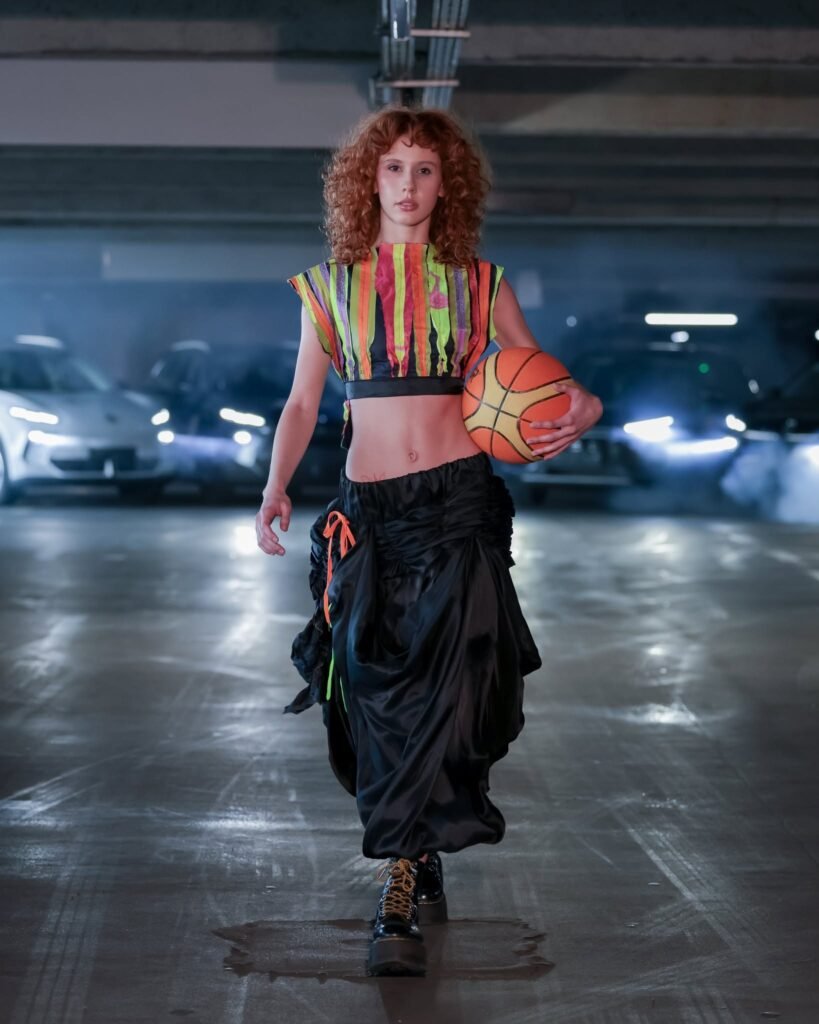

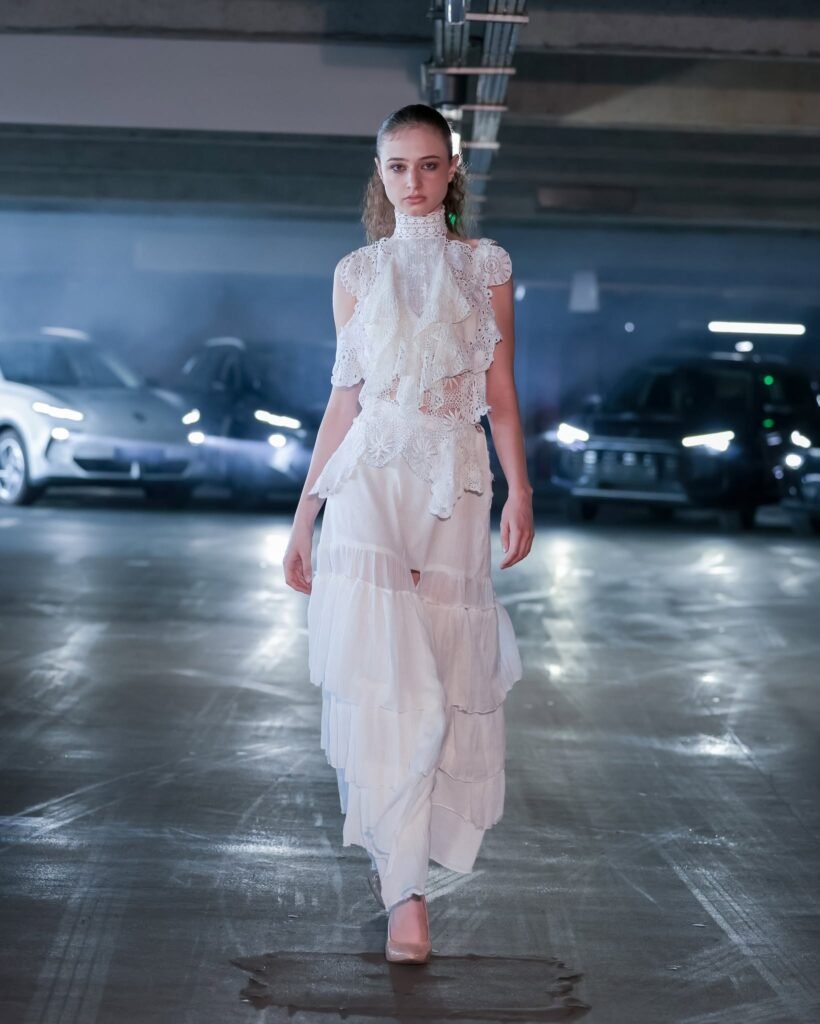
National University of Arts Bucharest — Romania
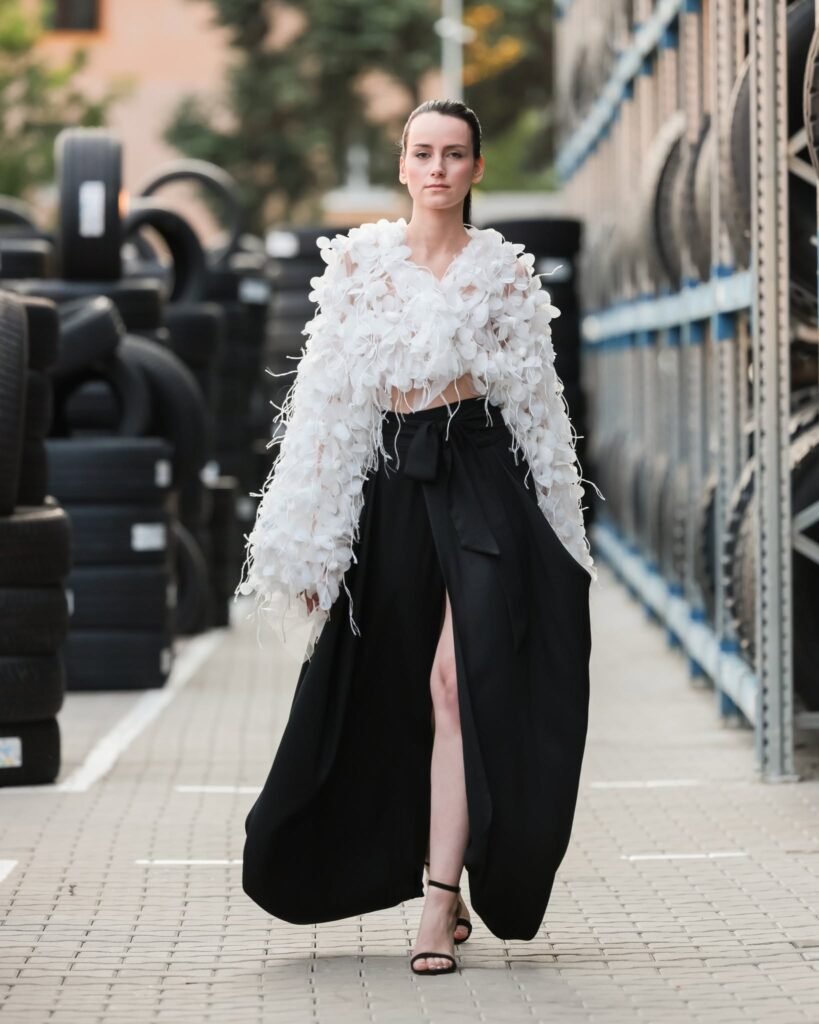
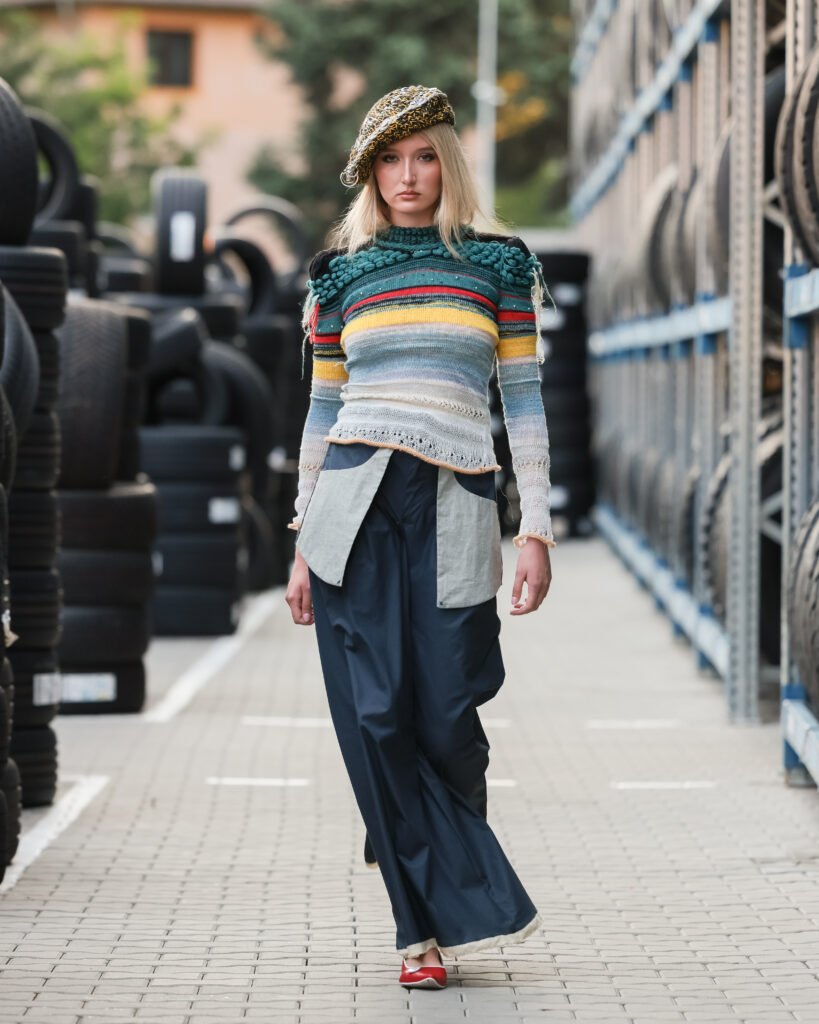
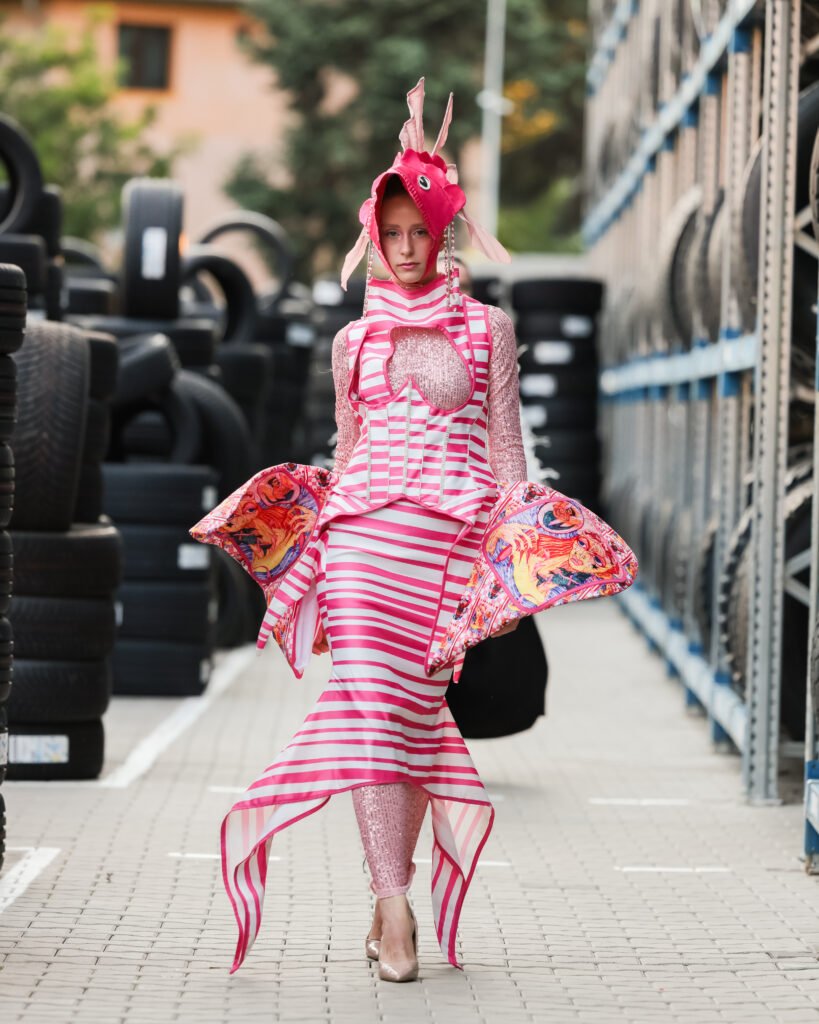
The selection of graduate projects from UNArte revealed the diversity of a new generation of designers who regard fashion as a space for research and experimentation. Each collection presented a distinctive identity, confirming the university’s role as one of Romania’s leading creative engines.
Kaunas University of Applied Sciences — Lithuania
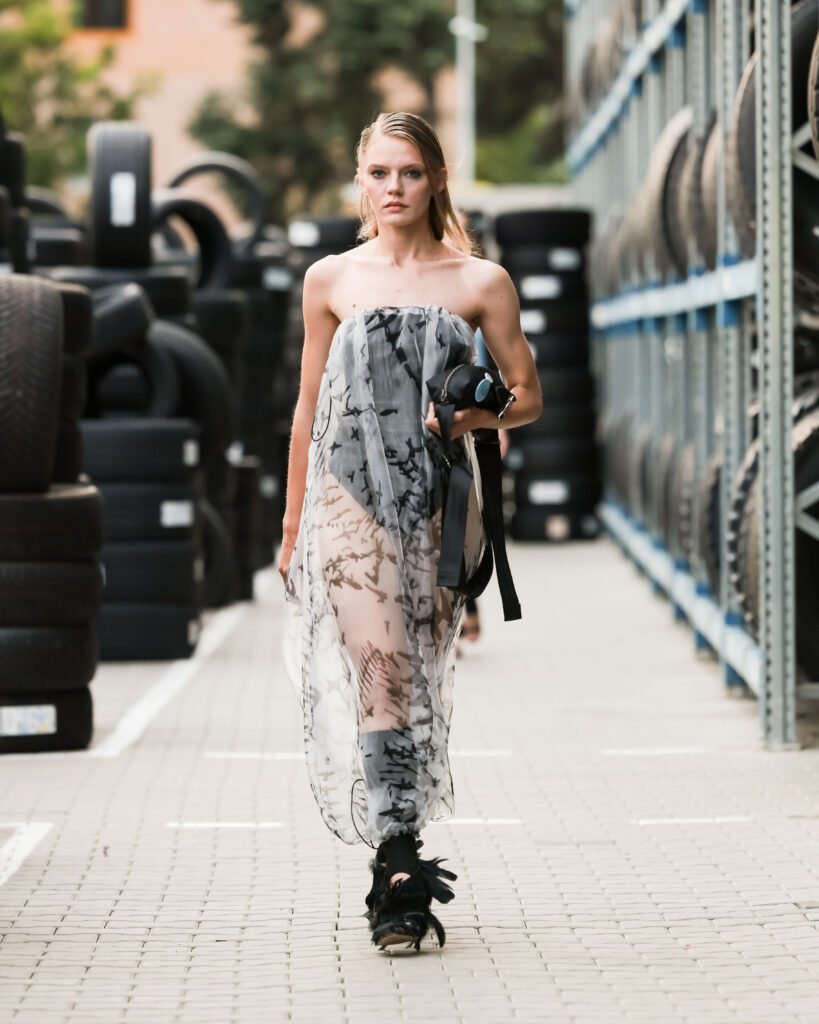
The Lithuanian designers concluded the day with three narratives deeply connected to memory and identity. Swallow explored protection through functionality; Jūratė reinterpreted a Baltic Sea myth through silk and leather; while Perfokorta found in the Jacquard loom a metaphor for memory and the technological evolution of textiles.
University “Aurel Vlaicu” of Arad — Romania
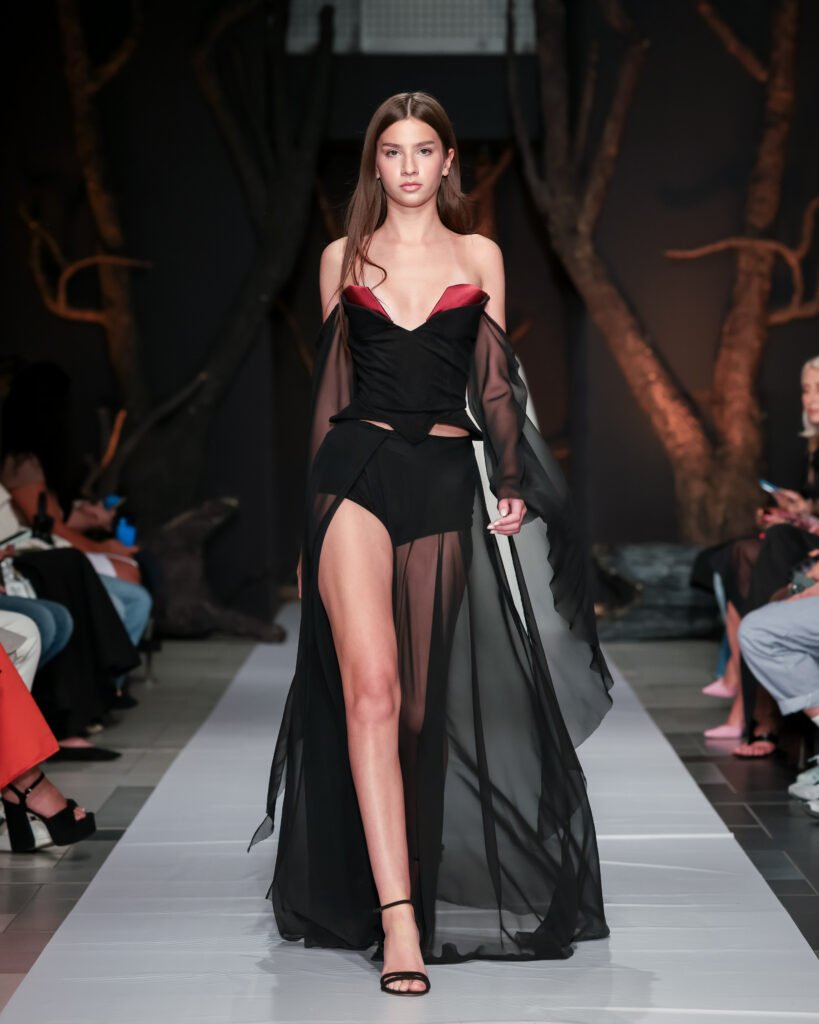
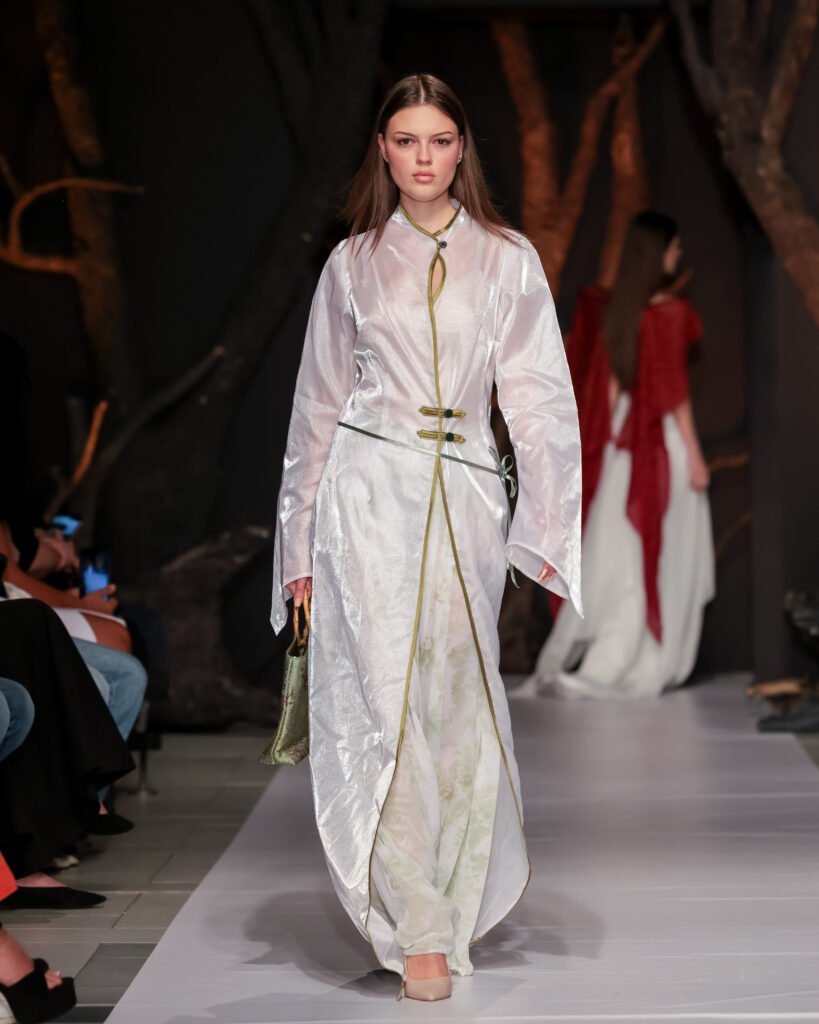
Three young Romanian designers offered markedly different perspectives on emotion and identity. Karina Tătar reinterpreted the Korean hanbok in Borahae, delicately merging tradition and contemporaneity. Denis Romaniuc presented Scars of the Soul, transforming emotional scars into symbols of resilience through volume and contrast. Meanwhile, Antonia Faur explored feminine sensuality in Emotions, using a palette dominated by white and red to represent the different stages of personal growth.
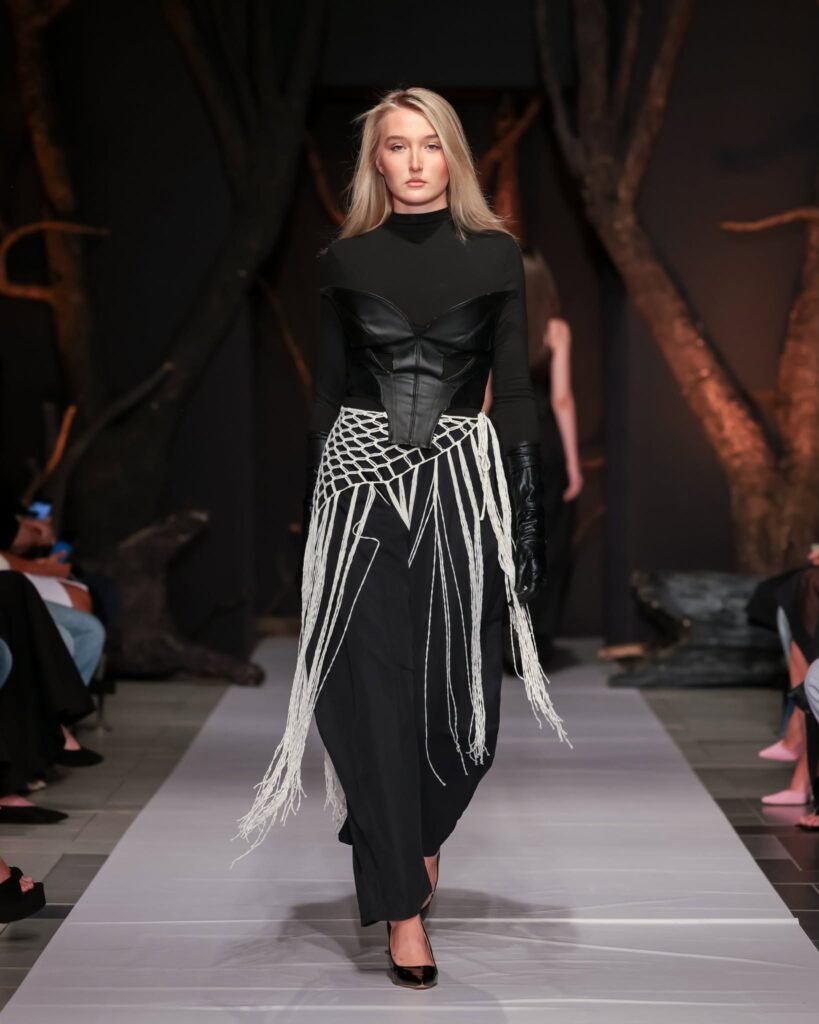
NewGiza University — Egypt
Students from NewGiza University presented a collection in which structure and movement entered into a natural dialogue. Inspired by sculptural forms, the designs stood out for their contemporary silhouettes and meticulous construction, reflecting the creative diversity of a new generation of designers who view fashion as a form of personal expression.
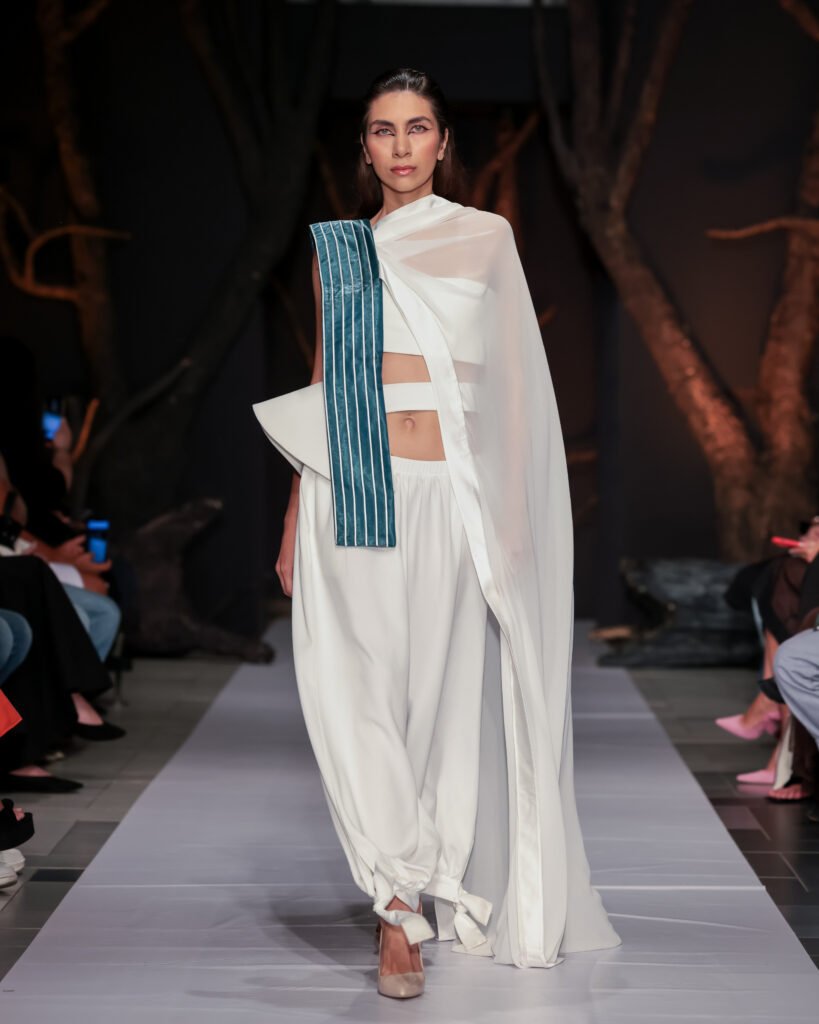
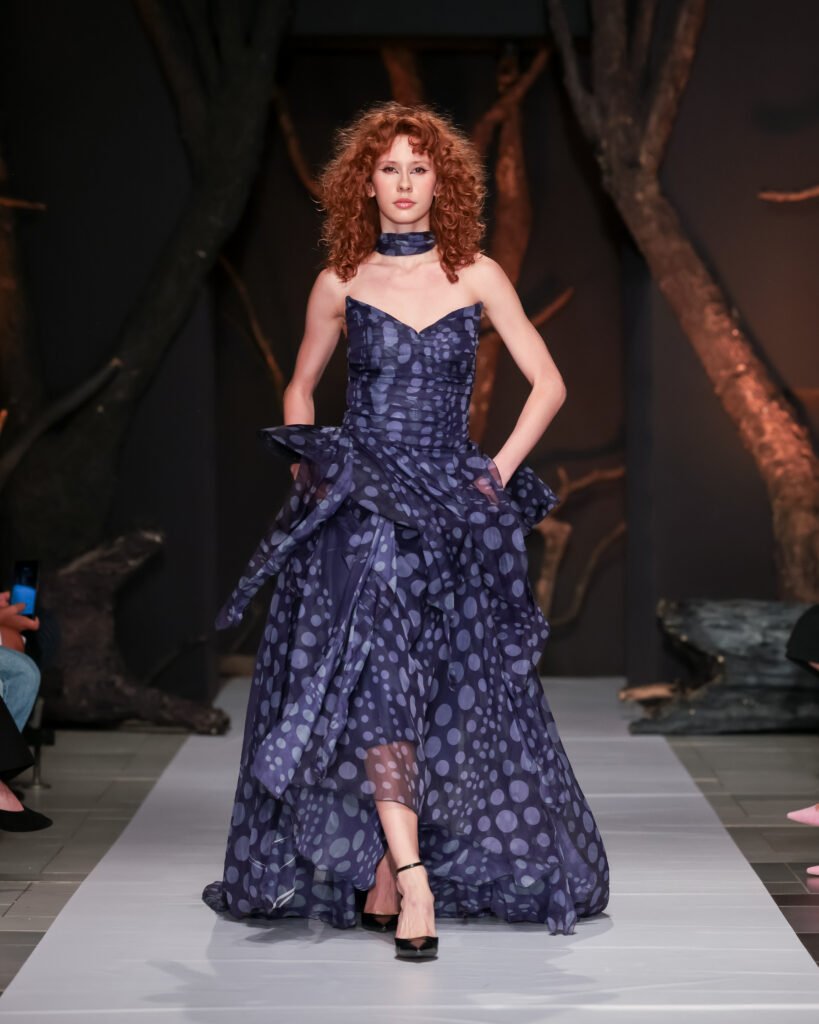
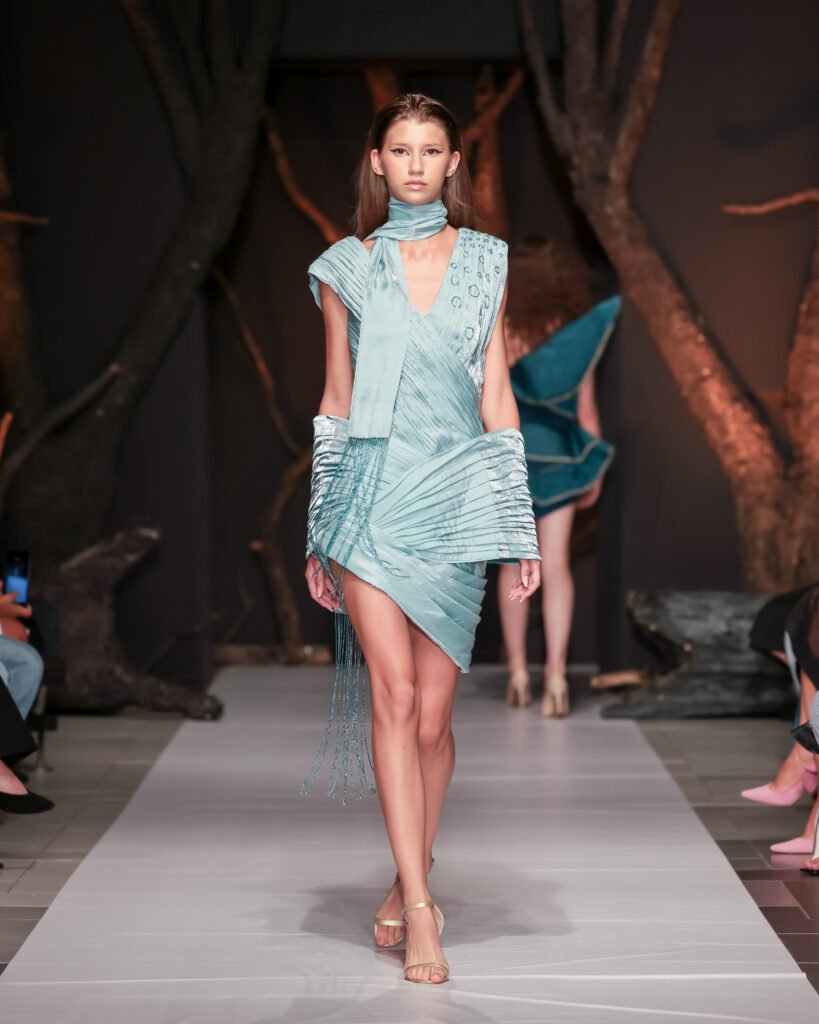
Donja Gorica University powered by Arizona State — Montenegro
With Metamorphosis, Montenegrin students translated the processes of transformation found in nature into the language of design. Cotton and linen, combined with draping and textile manipulation techniques, resulted in organic garments that evoked movement and constant change, reaffirming sustainability as a central element of the collection.
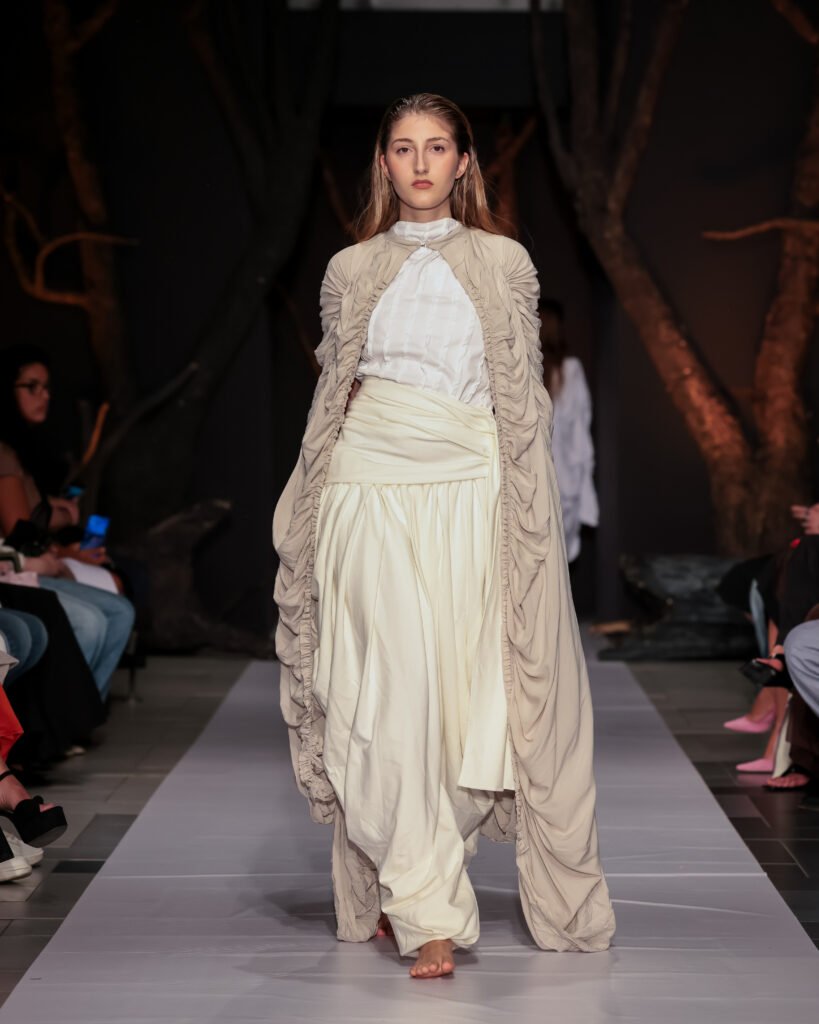
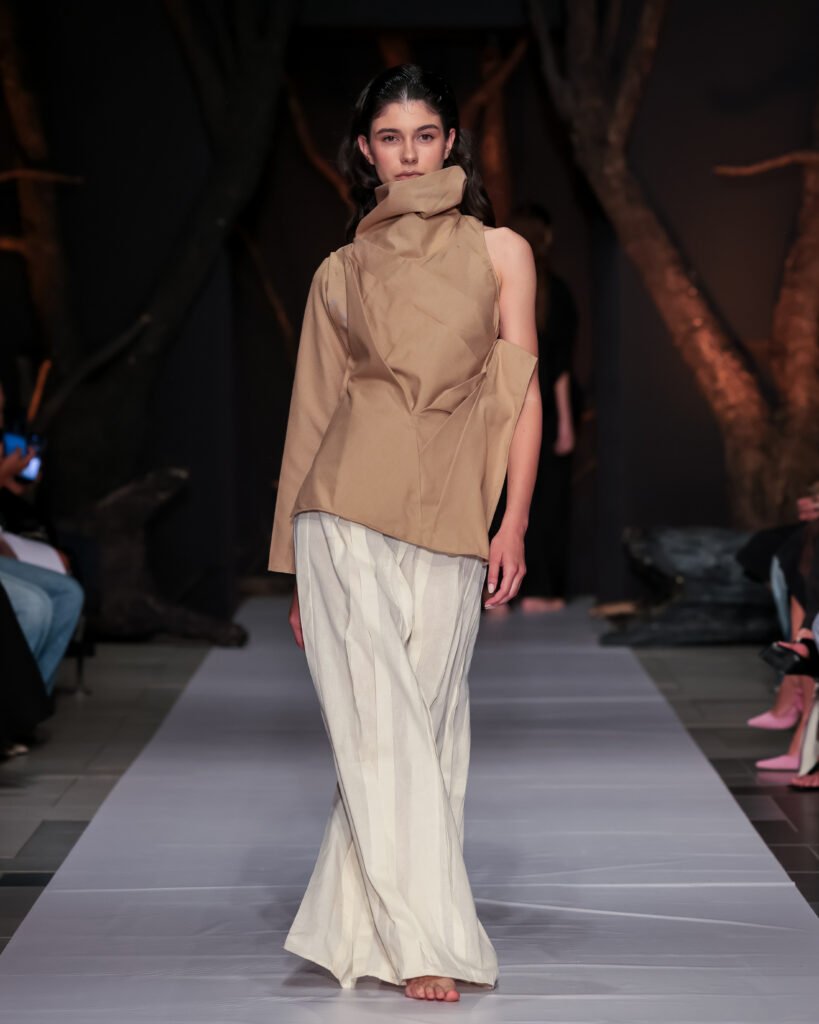
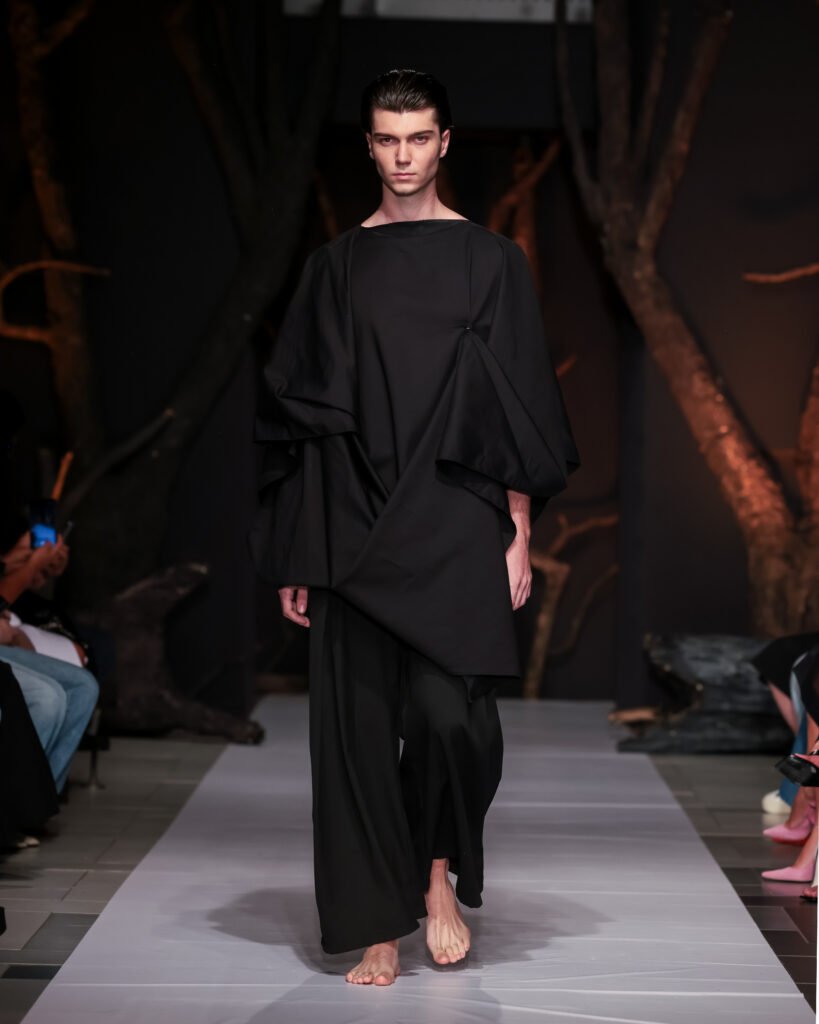
LUMINAL — Dori Haskovcova
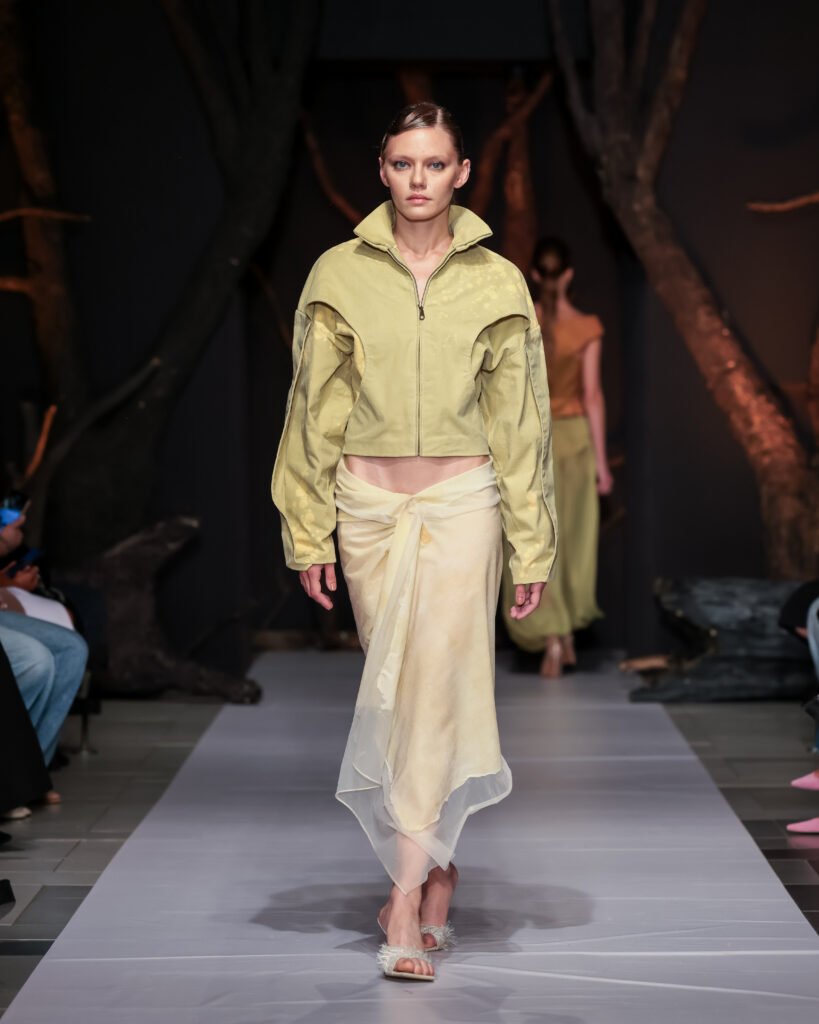
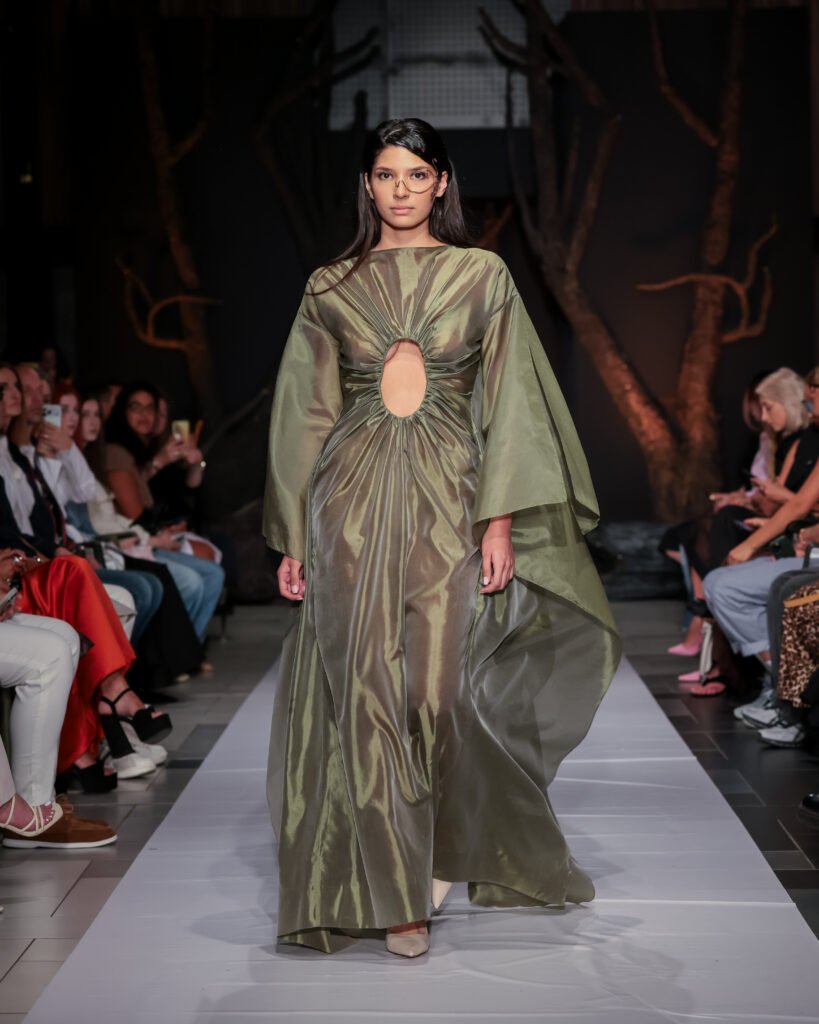
Harmony of Future Consciousness imagined a future in which nature, technology and humanity coexist in balance. Created entirely from reclaimed materials, the collection combined lightweight fabrics with natural latex to construct sculptural silhouettes that challenged traditional boundaries within fashion. The result invited reflection on consciousness, innovation and environmental responsibility.
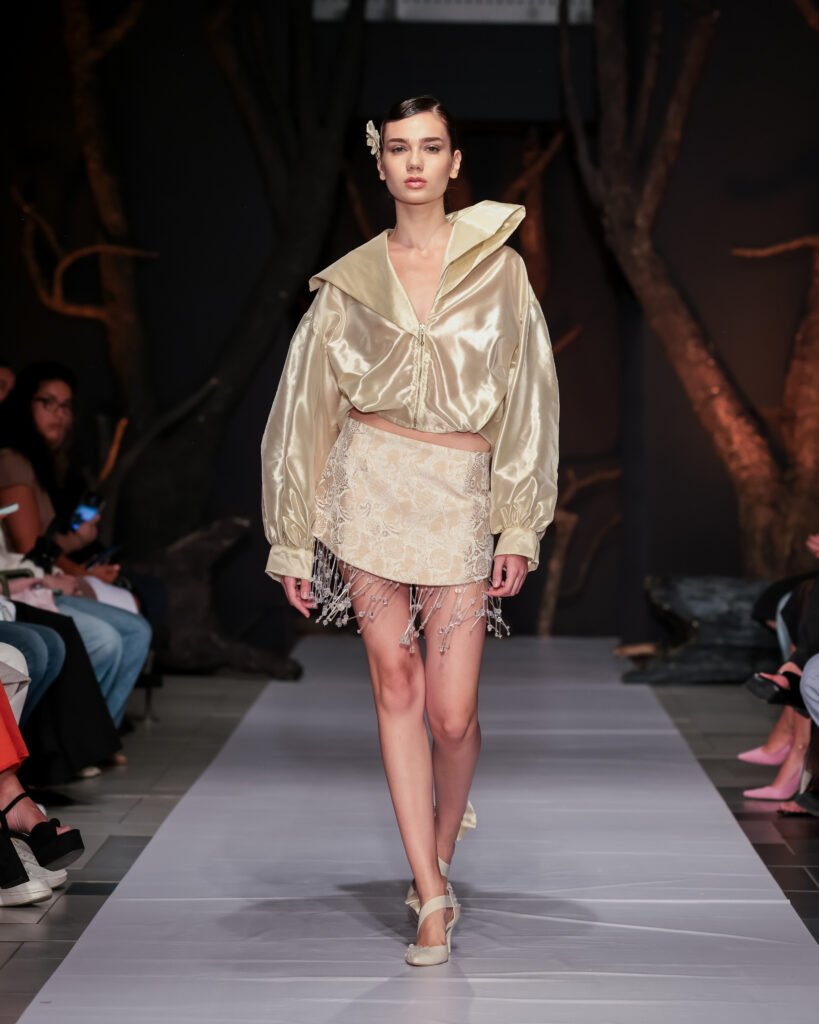
UAD of Cluj-Napoca — Romania
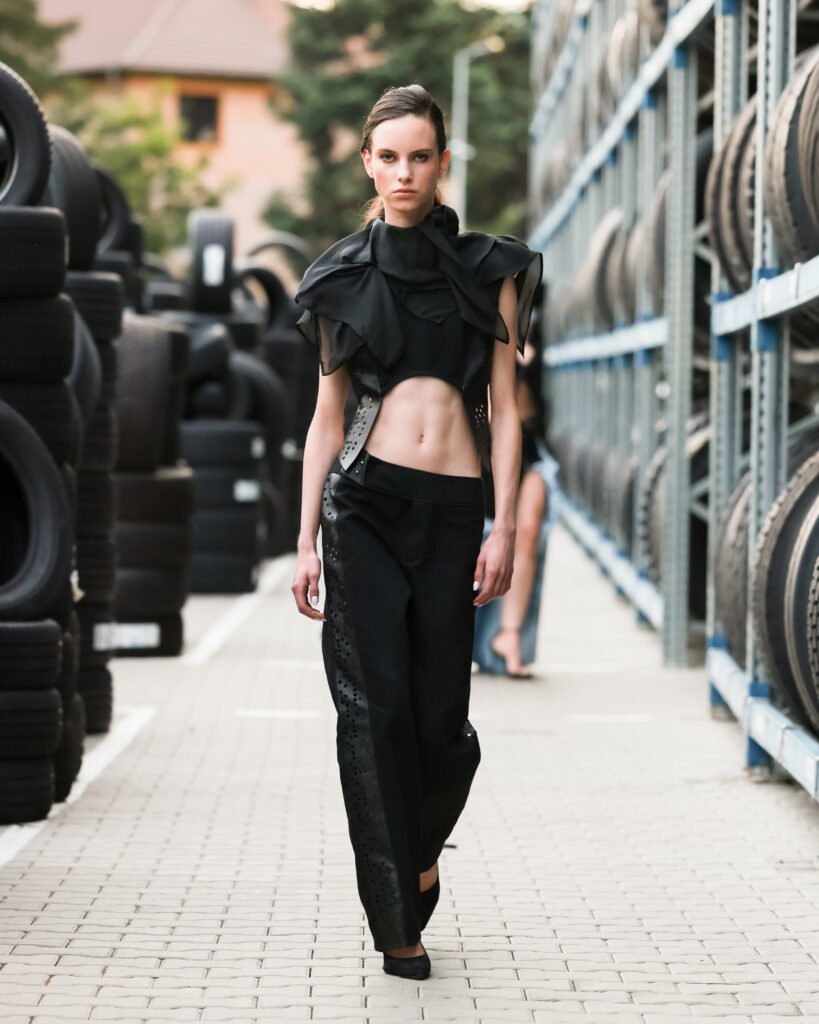
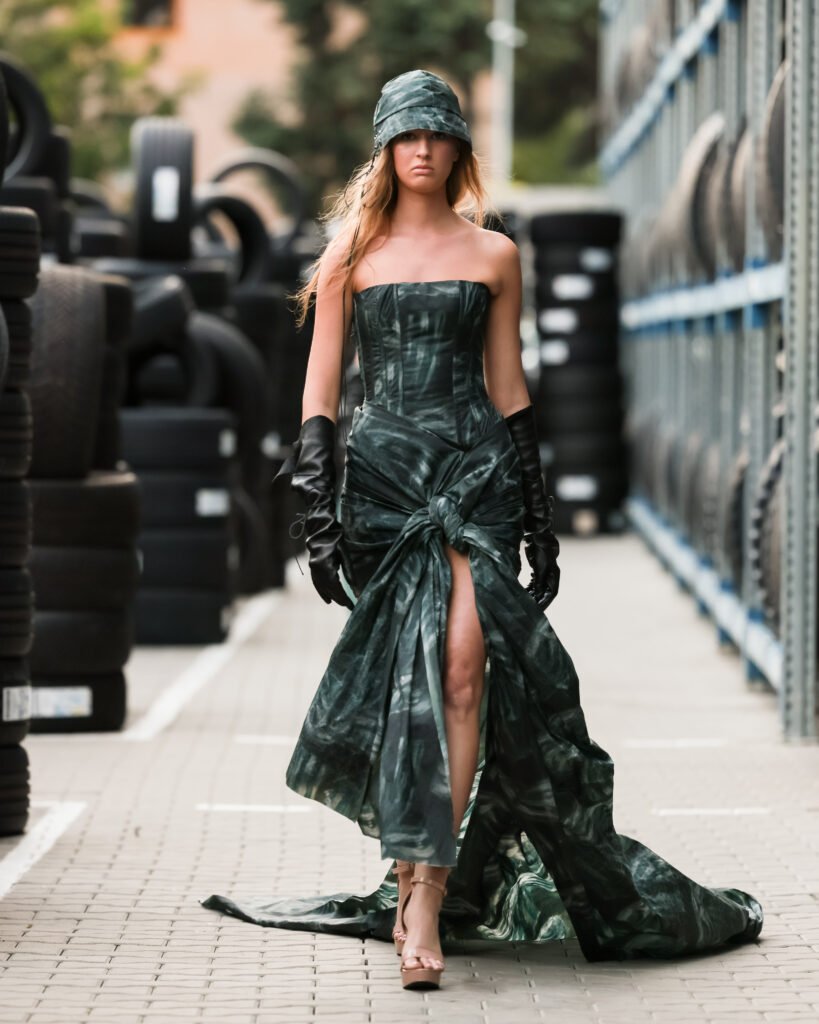
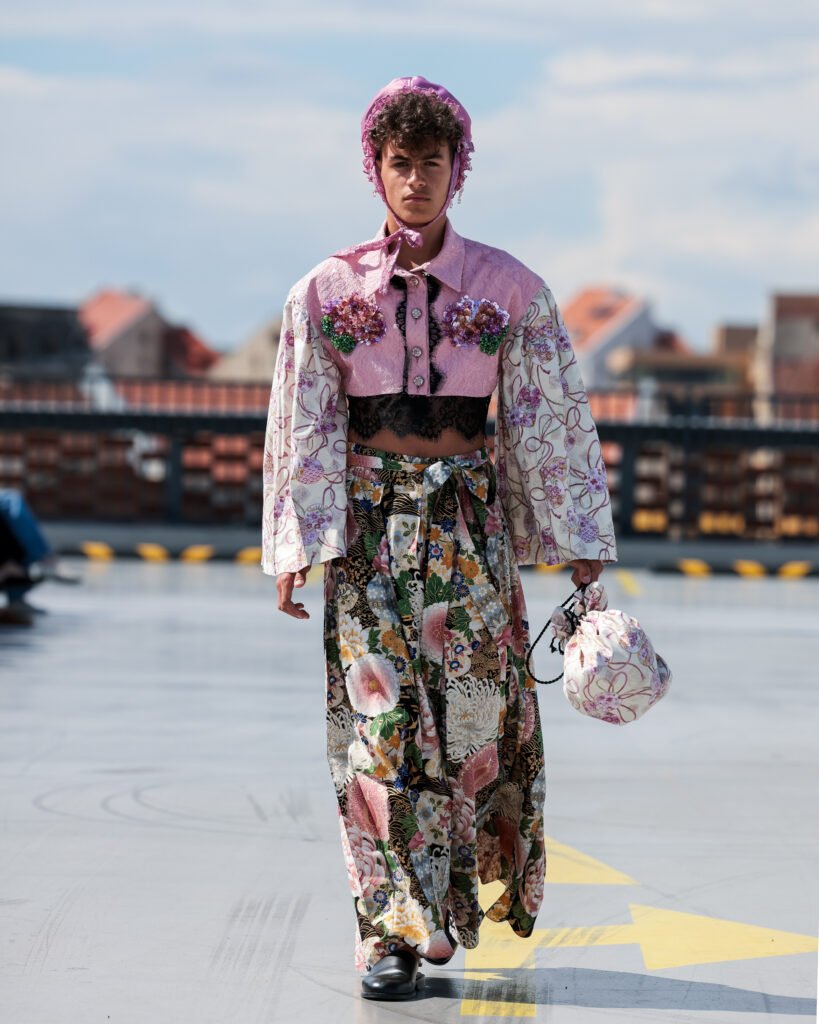
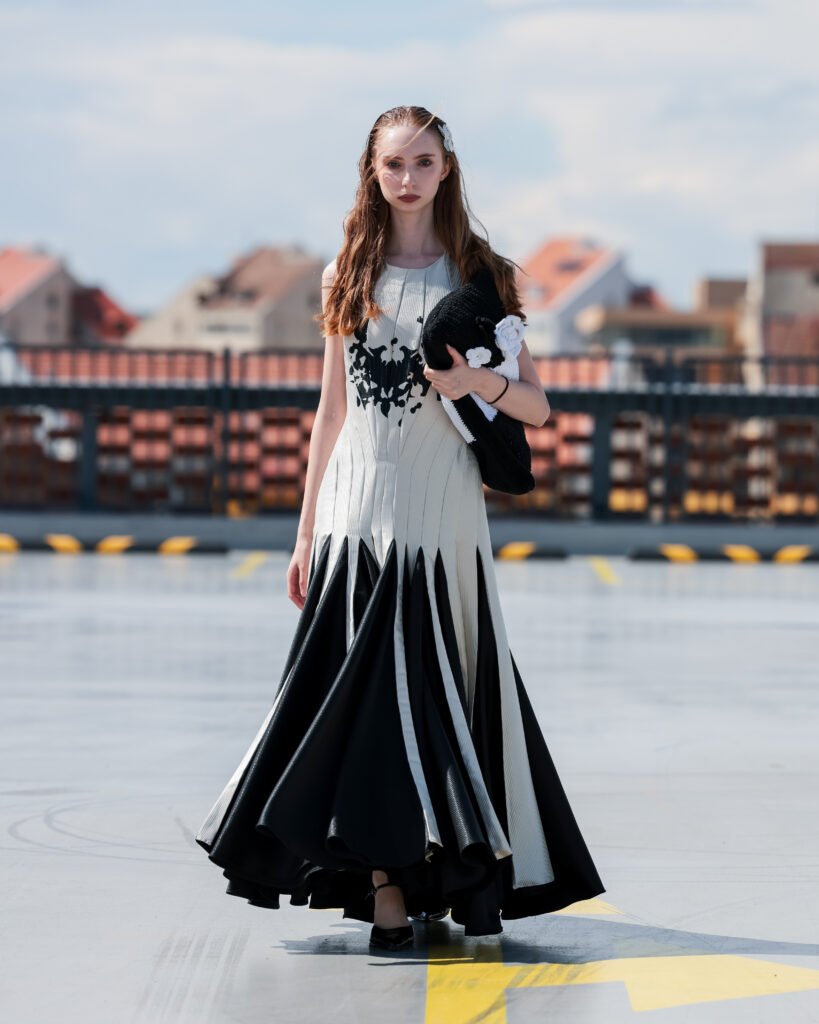
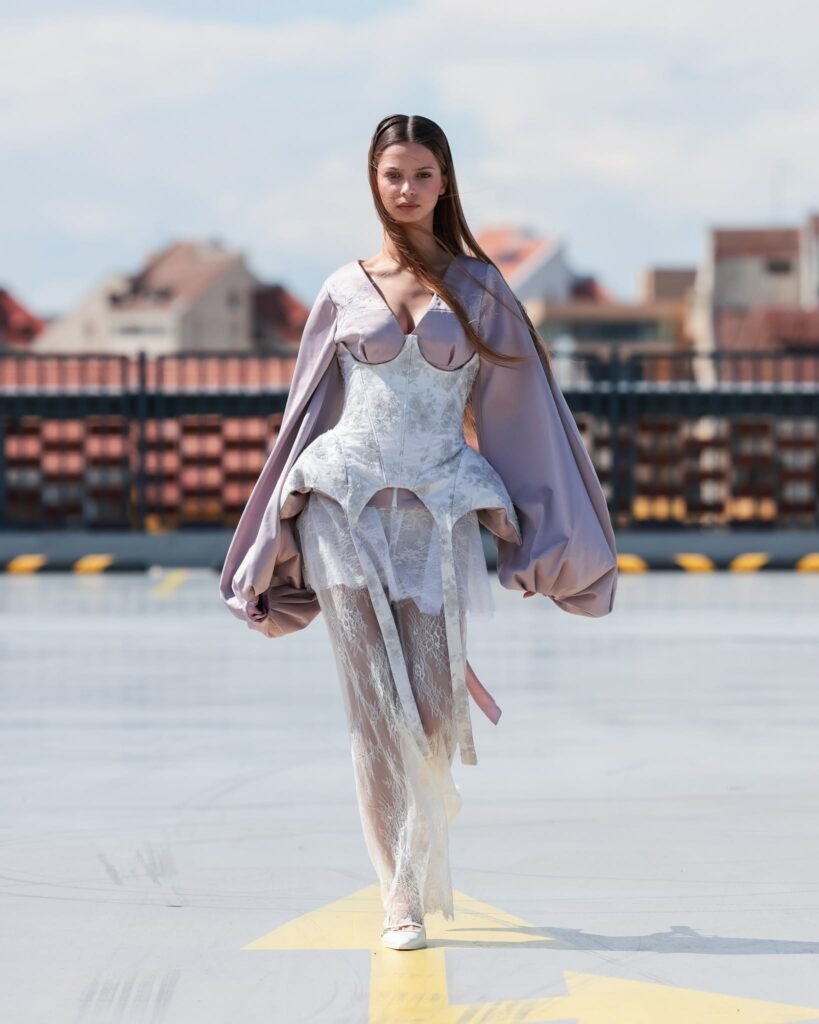
Graduates from the University of Art and Design in Cluj-Napoca presented a selection of projects characterised by experimentation and contemporary haute couture. Hand embroidery, textile collage, perforation and transparency defined a collective presentation that highlighted both technical talent and the conceptual diversity of a new generation of Romanian designers.
West University of Timișoara — Romania
Three collections explored identity from complementary perspectives. Ana Percea examined the relationship between body and technology in Conosci Me!; Lavinia Toader discovered beauty in the marks left by time with Sea of Imperfections; while Mihaela Cernescu celebrated individuality in Born Unique, drawing inspiration from the geometry and symbolism of minerals and crystals.
HOOLDRA
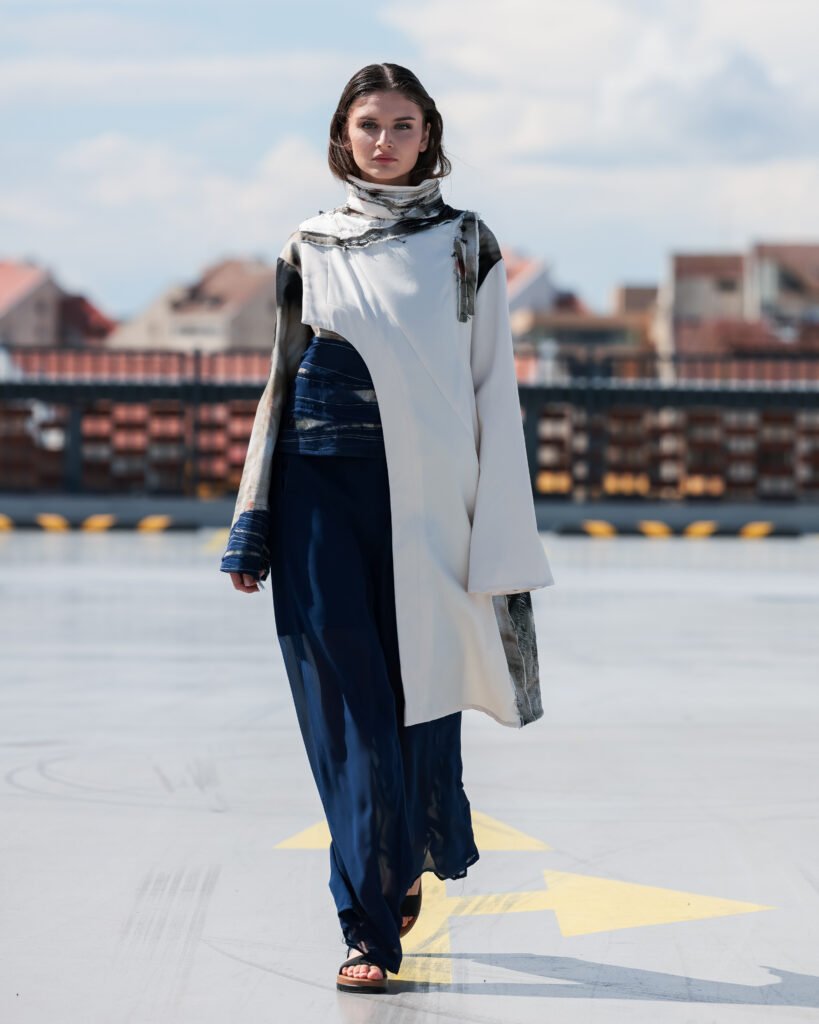
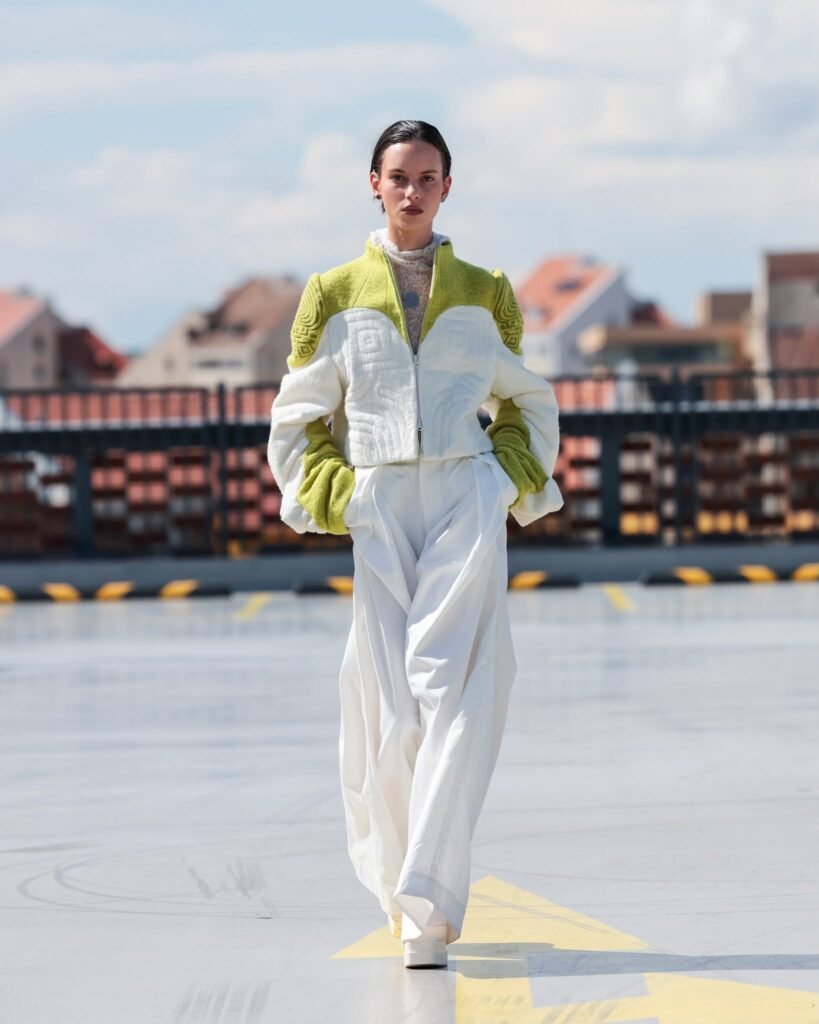
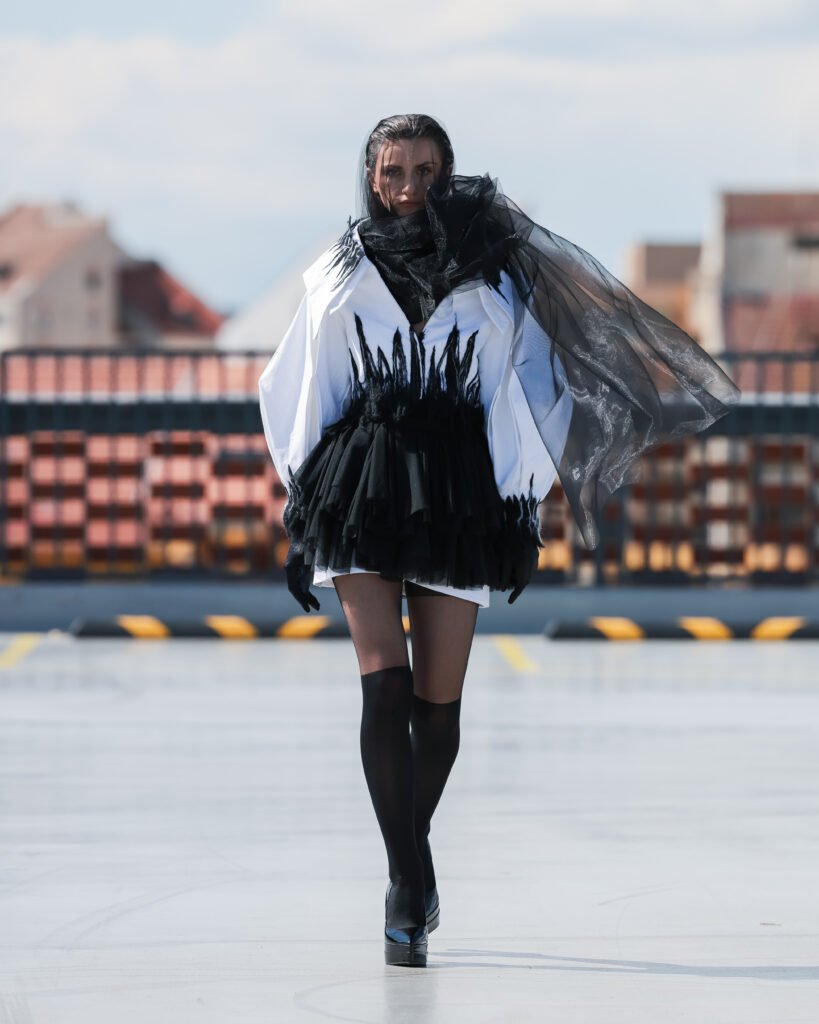
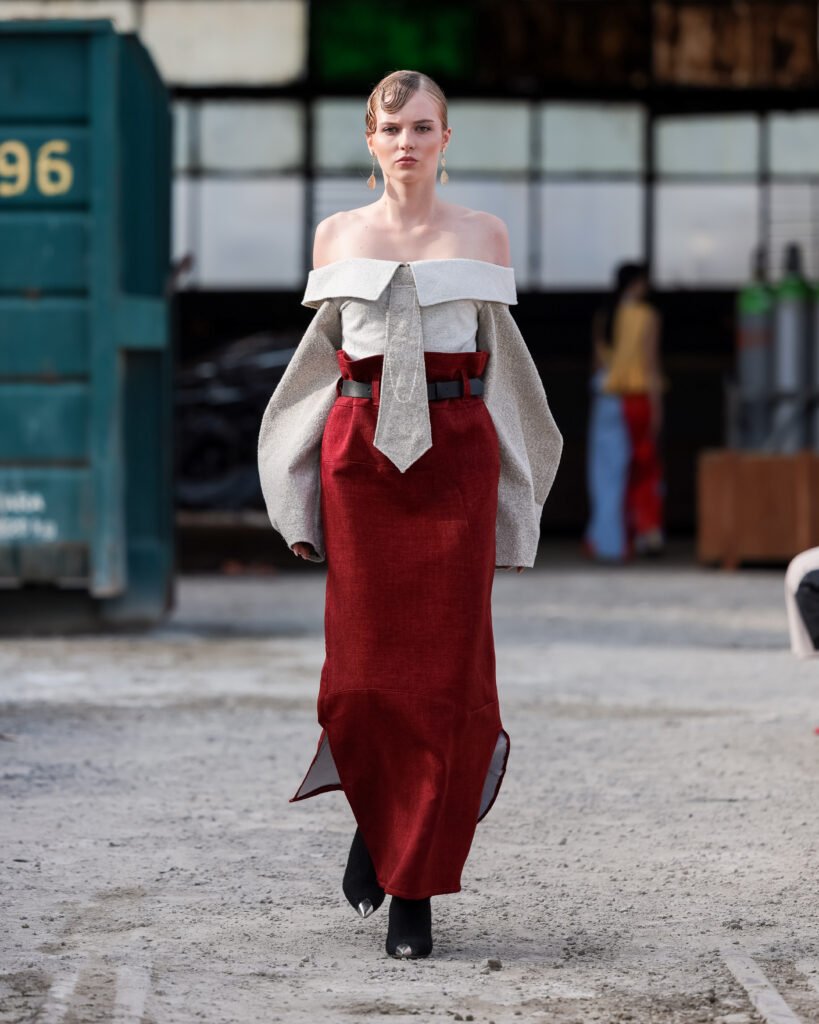
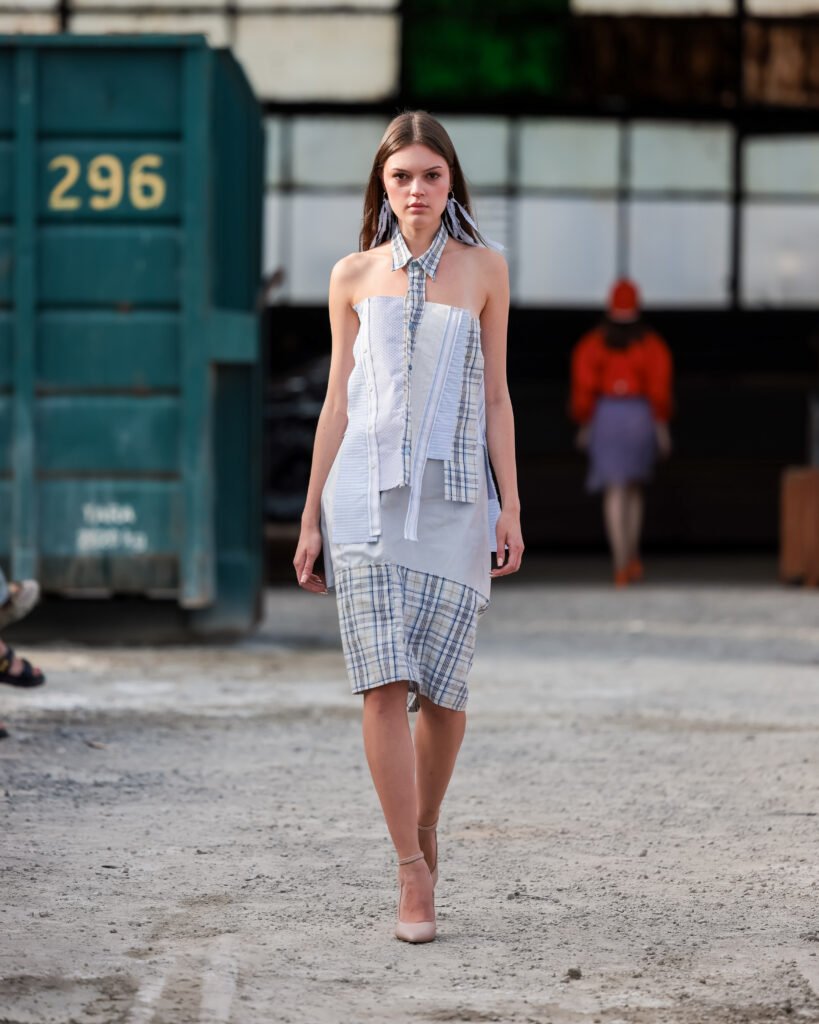
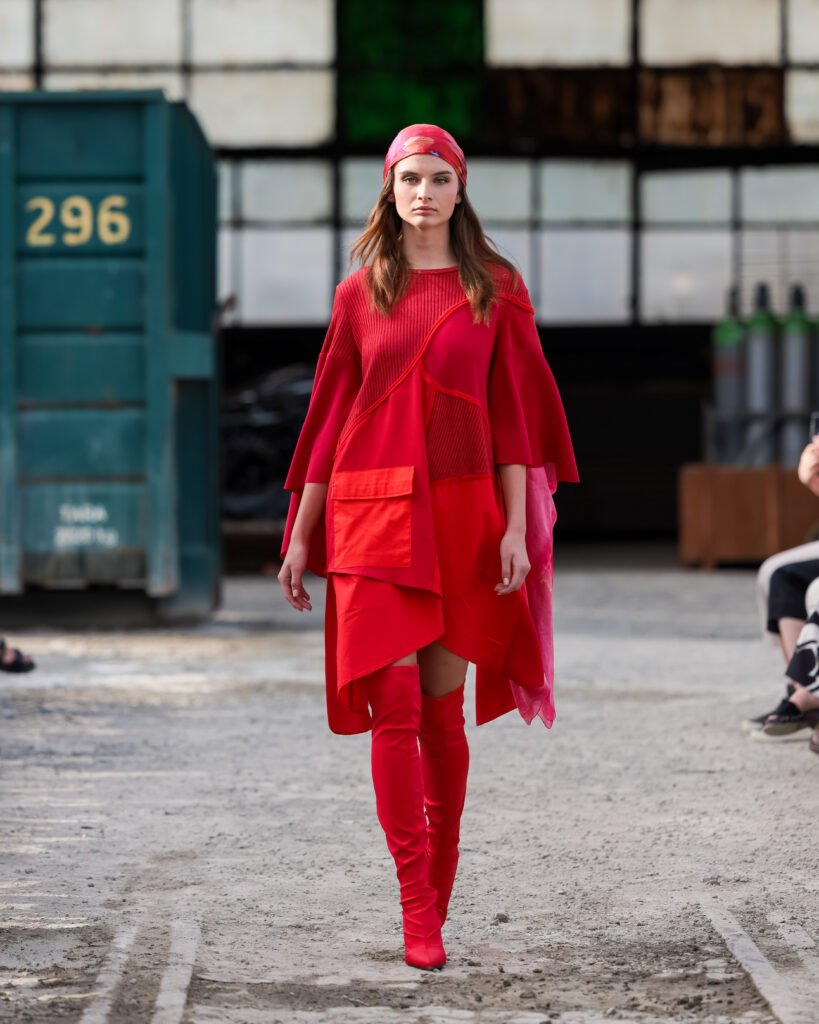
One of the day’s most significant moments came with the sixth edition of the Hooldra Student Upcycle Collection. Bringing together 19 students from eight universities across Romania, Moldova and Poland, the collection transformed garments recovered by Humana into entirely new designs under the theme Visible Transformation. More than a runway show, it became a collective manifesto for the circular economy, collaboration and the creative potential of upcycling, further strengthened by the See Now, Buy Now format developed in collaboration with Dharug.
University of Zagreb — Ines Baric
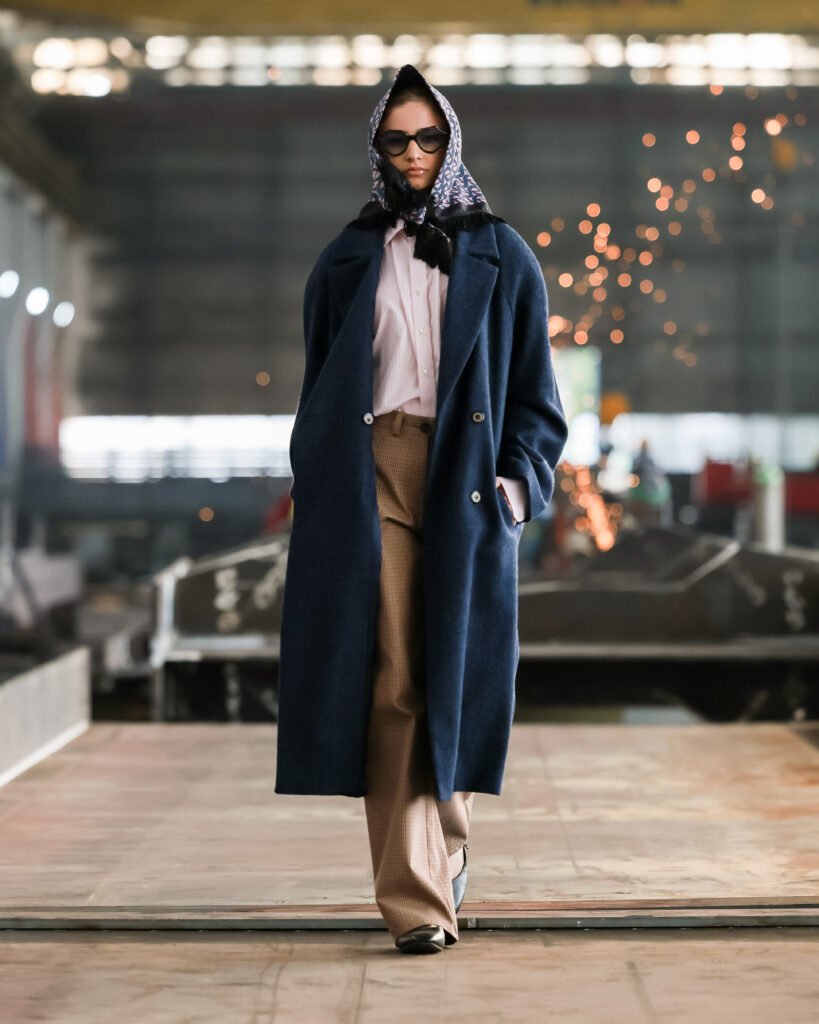
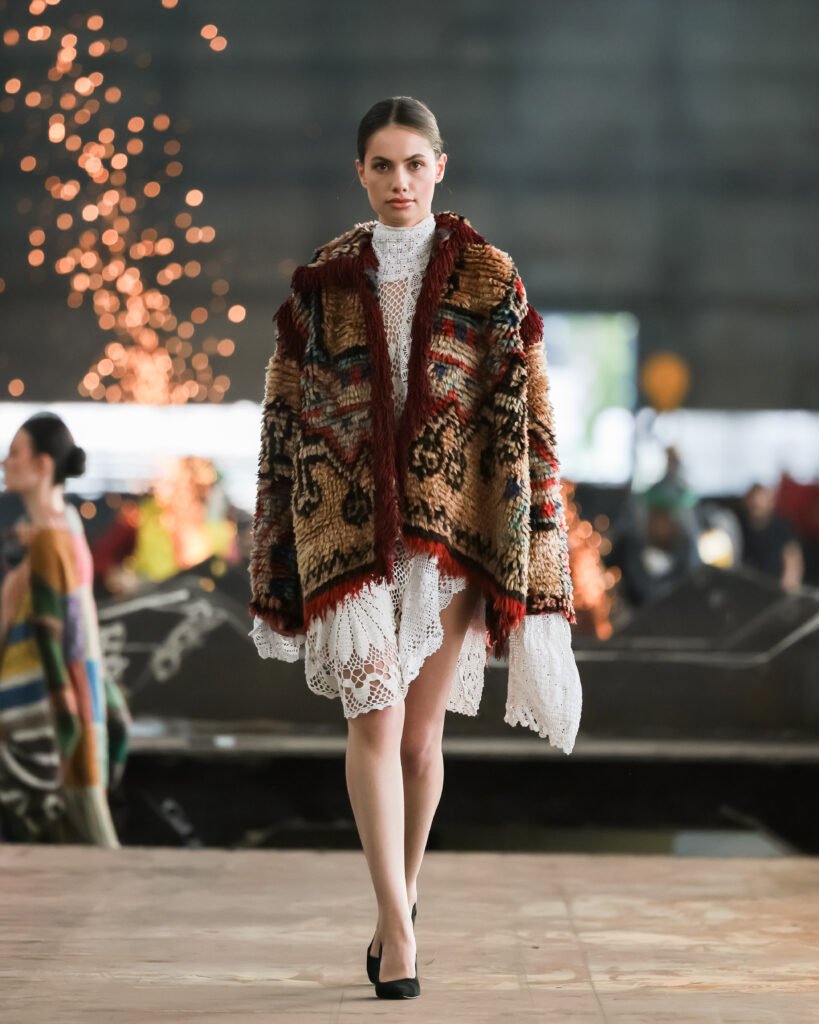
Designer Ines Barić presented a deeply intimate collection inspired by family memory. Through wool, linen, cotton and artisanal techniques, she reinterpreted inherited objects and everyday rituals, demonstrating how fashion can preserve the emotional value of the past while maintaining a distinctly contemporary language.
Notre Dame University-Louaize — Chanel Younes, Pia Cherfan
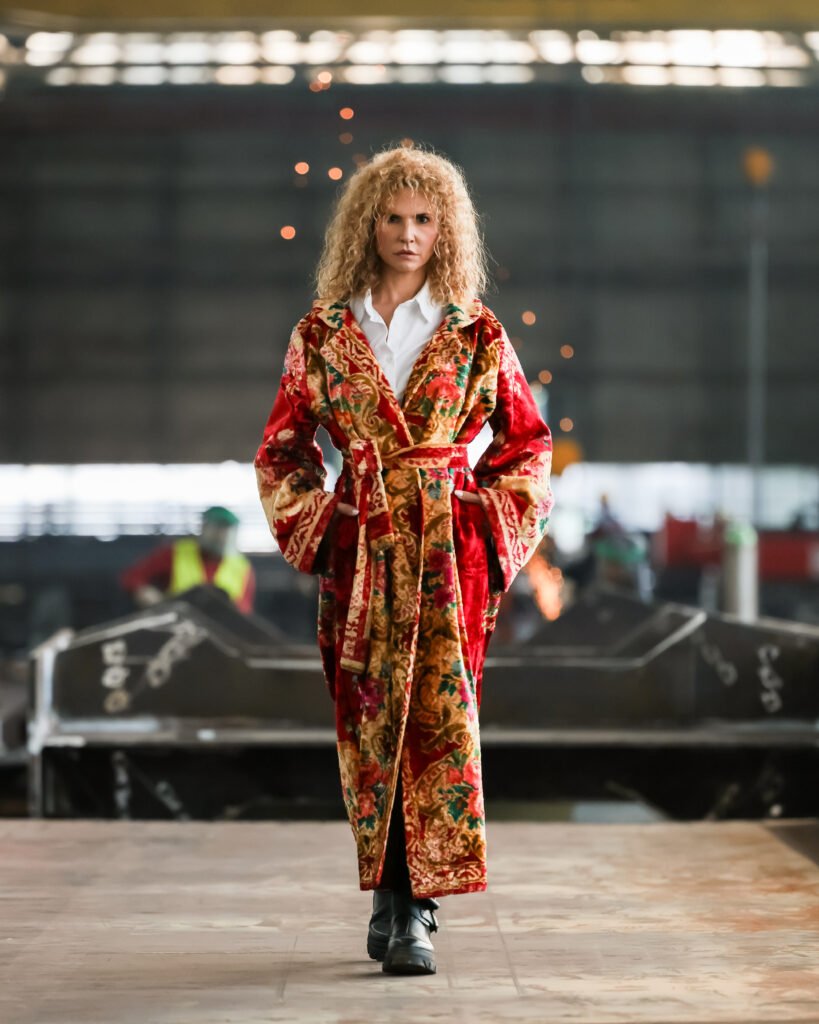
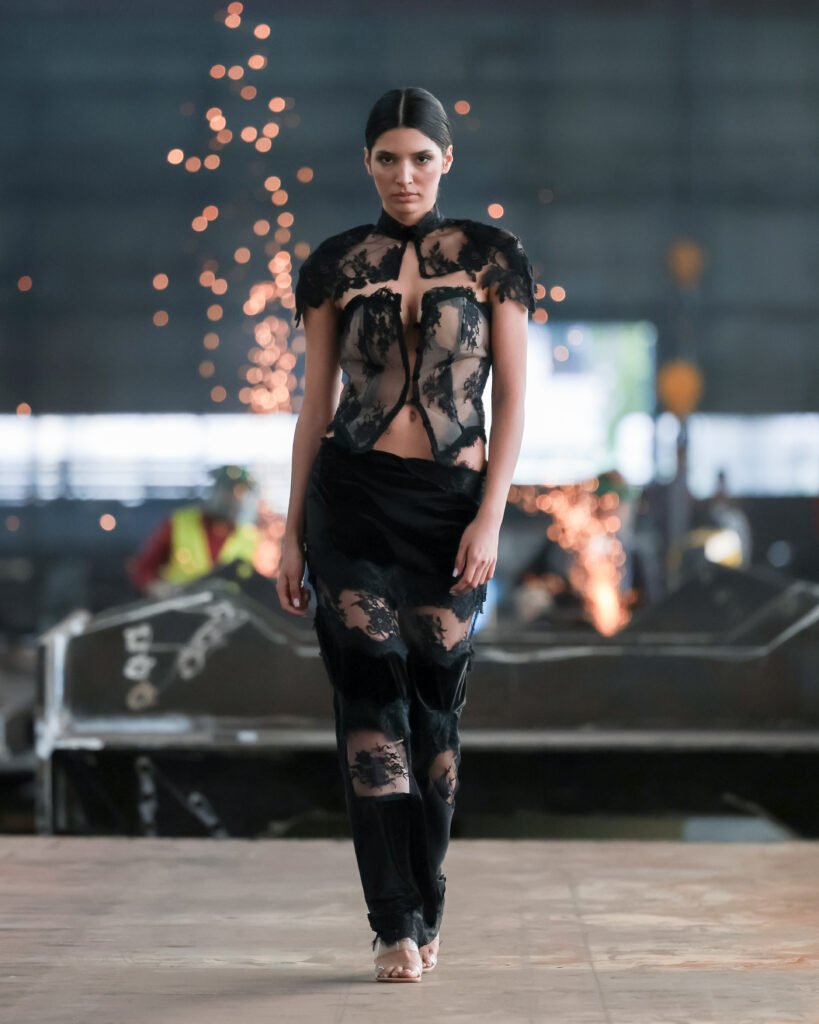
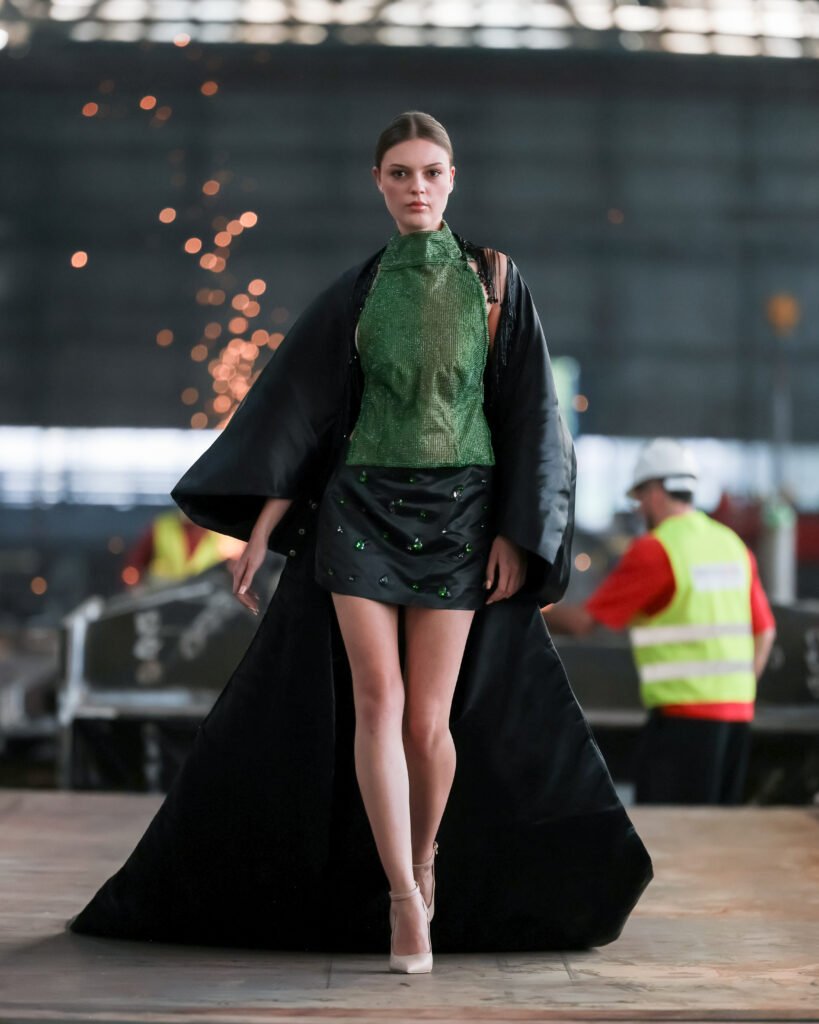
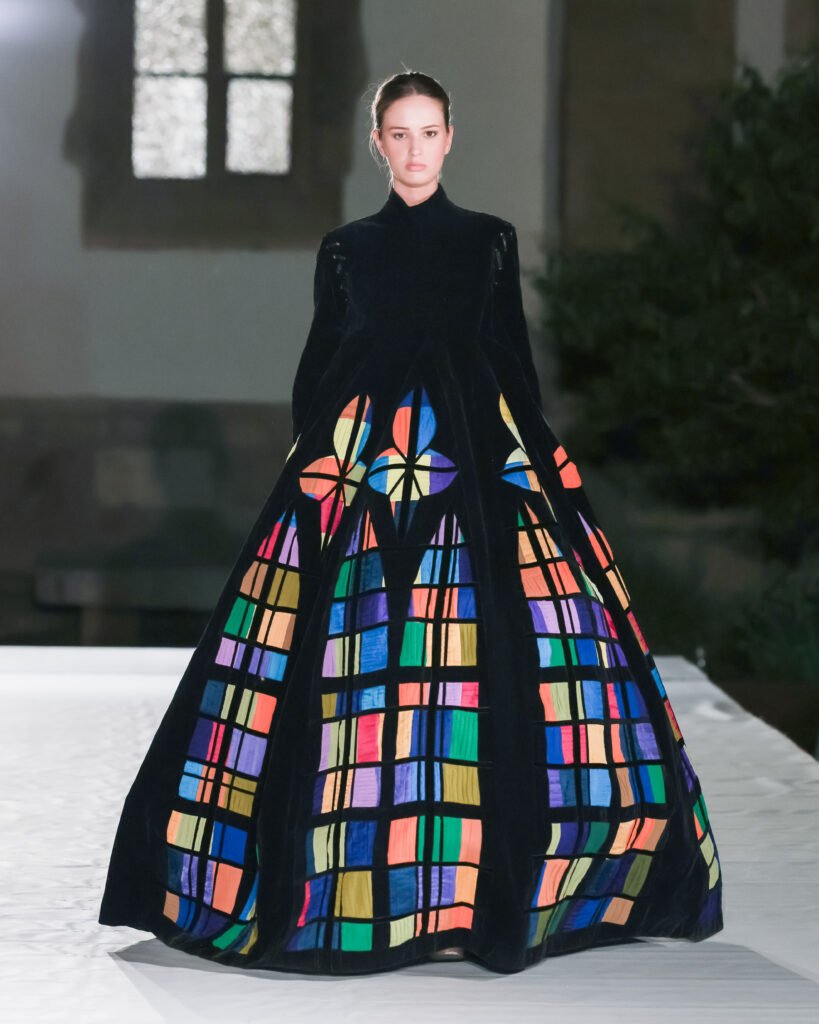
In Femme Serpent, Chanel Younes transformed the snake into a symbol of transformation and female empowerment. A sophisticated collection celebrating the strength that can emerge from vulnerability and the ability to reinvent oneself. With Cathedral of Bloodlines, Pia Cherfan translated the monumental character of Gothic architecture into fashion. A dramatic collection in which family heritage and identity were transformed into a powerful visual narrative.
VIAMODA — Poland
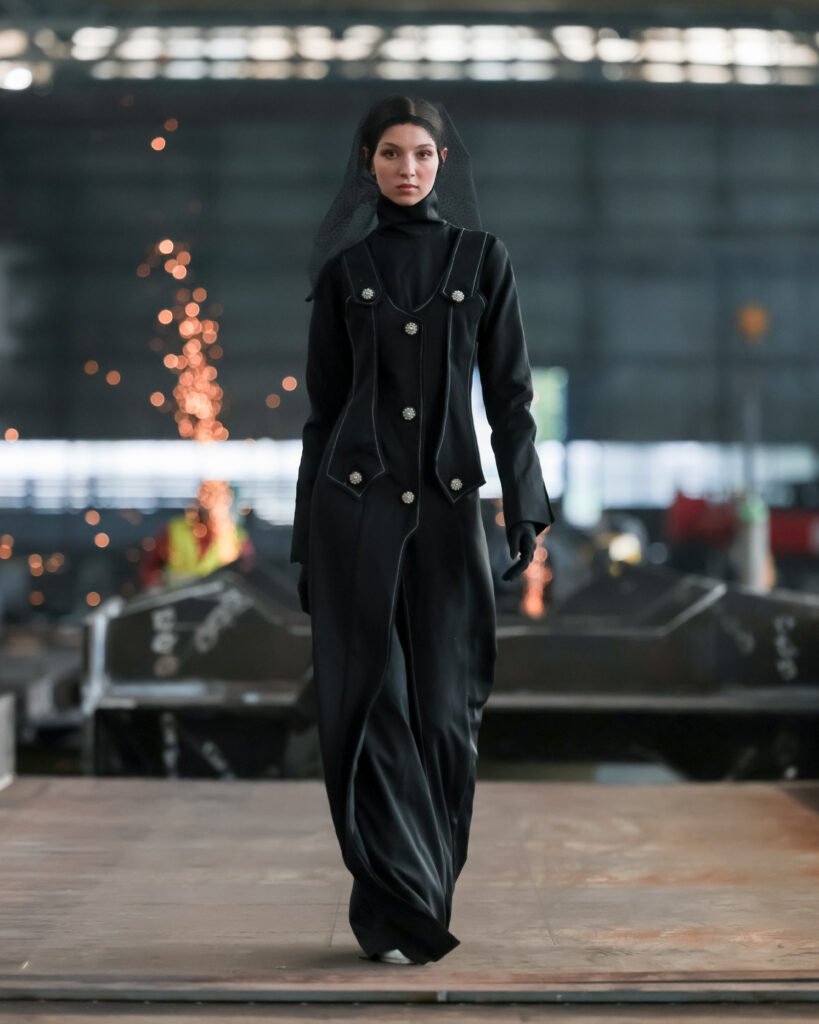
The Polish school brought together three proposals with highly distinctive identities. Liza Dragan reflected on the duality between desire and excess in Sweet Death; Illia Horin explored Brutalist architecture in Deformed in Concrete; while Piotr Powroźnik highlighted the value of traditional craftsmanship in Lacemaker, reinterpreting lace as a symbol of strength and cultural heritage.
UTM — Moldova
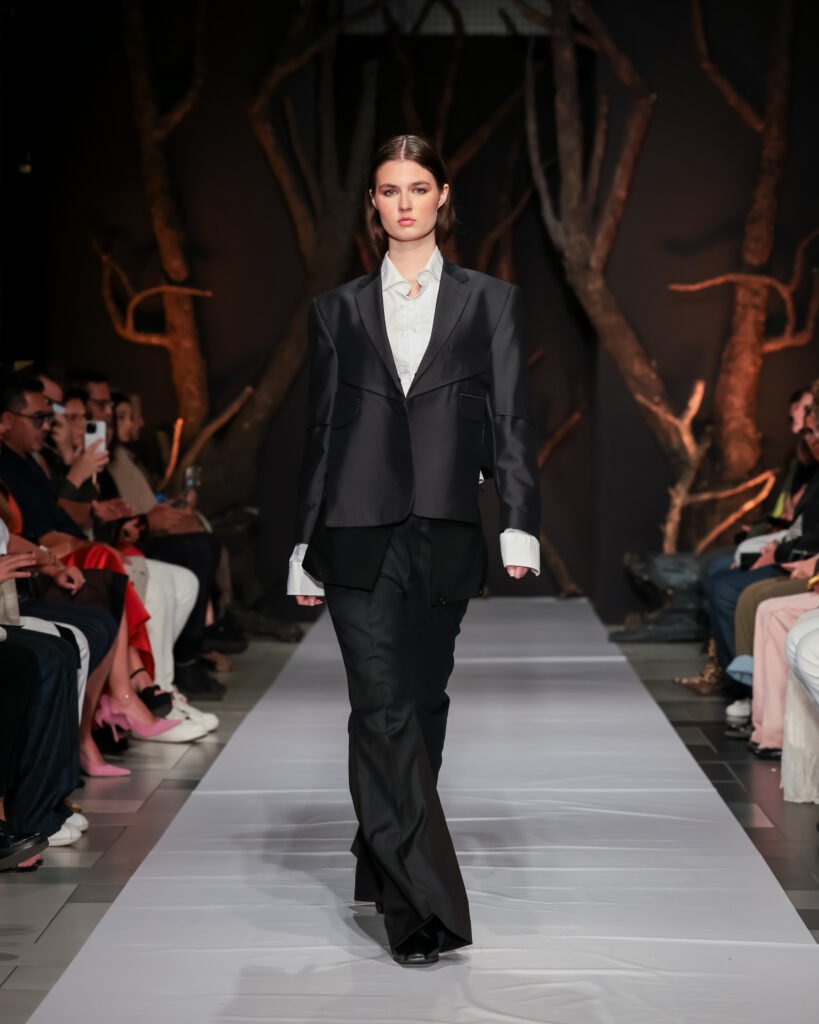
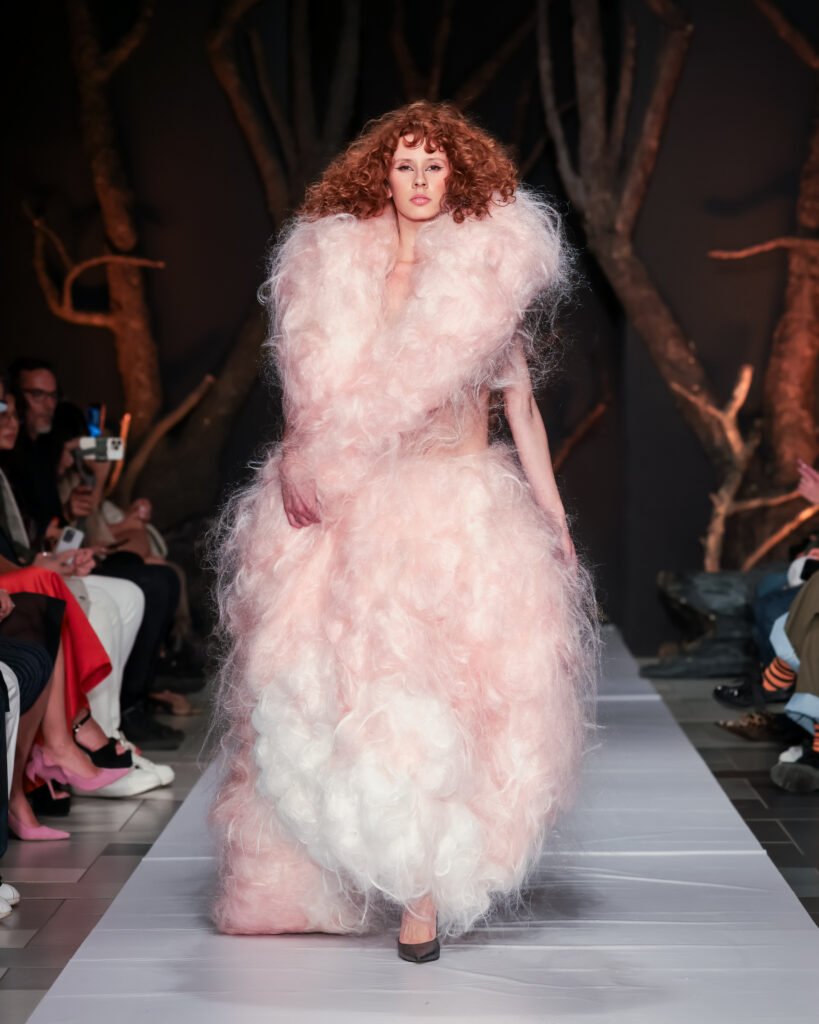
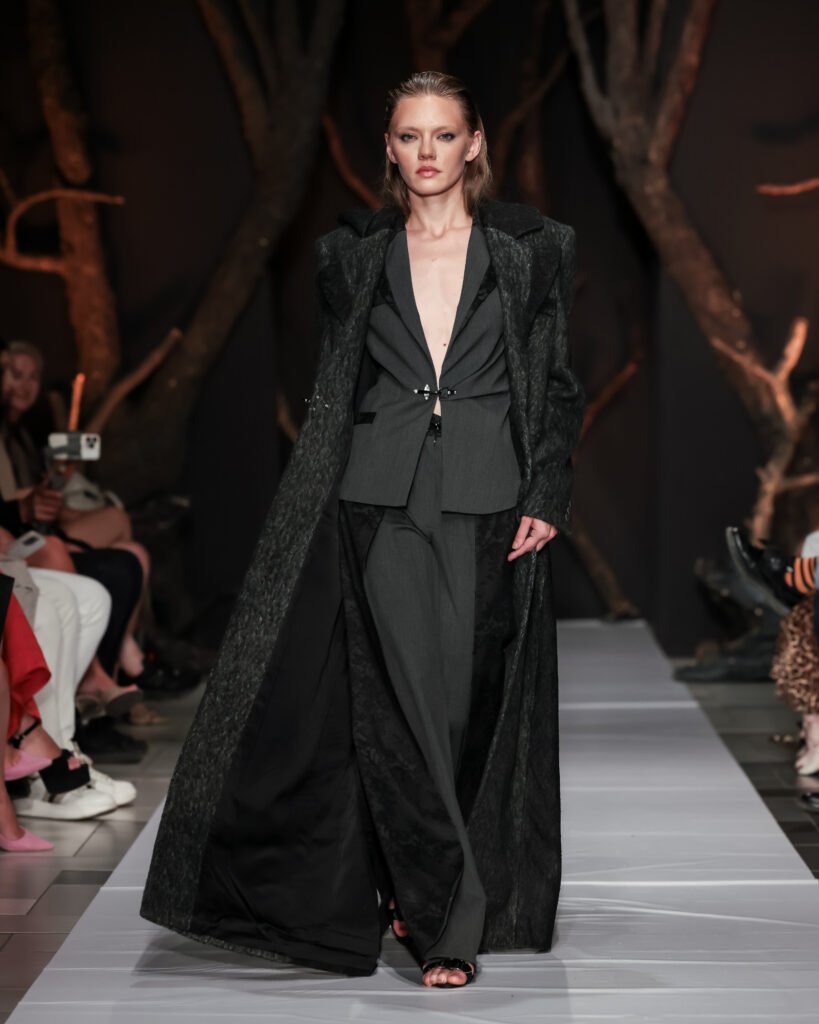
The day concluded with Envolving Joy, a collective collection celebrating the creative diversity of Moldovan students. Experimental silhouettes, natural fabrics and innovative techniques formed a project in which each designer contributed a personal vision while maintaining a common thread: fashion as a tool for transformation, cultural dialogue and individual expression.
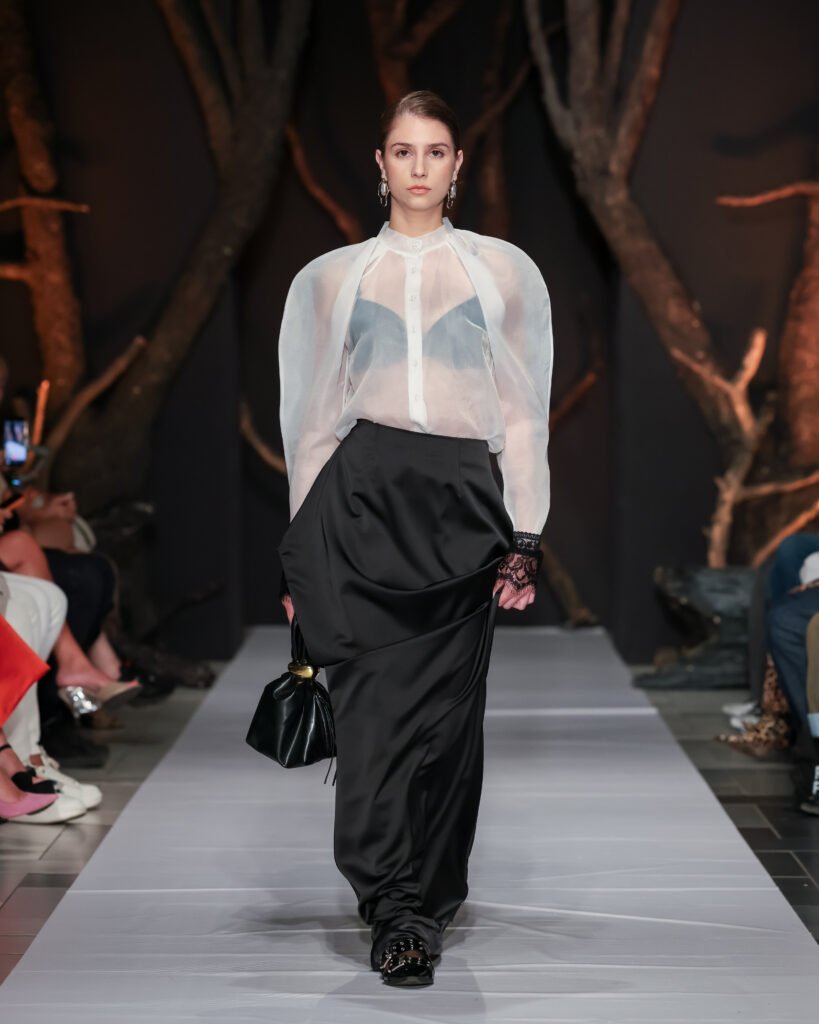
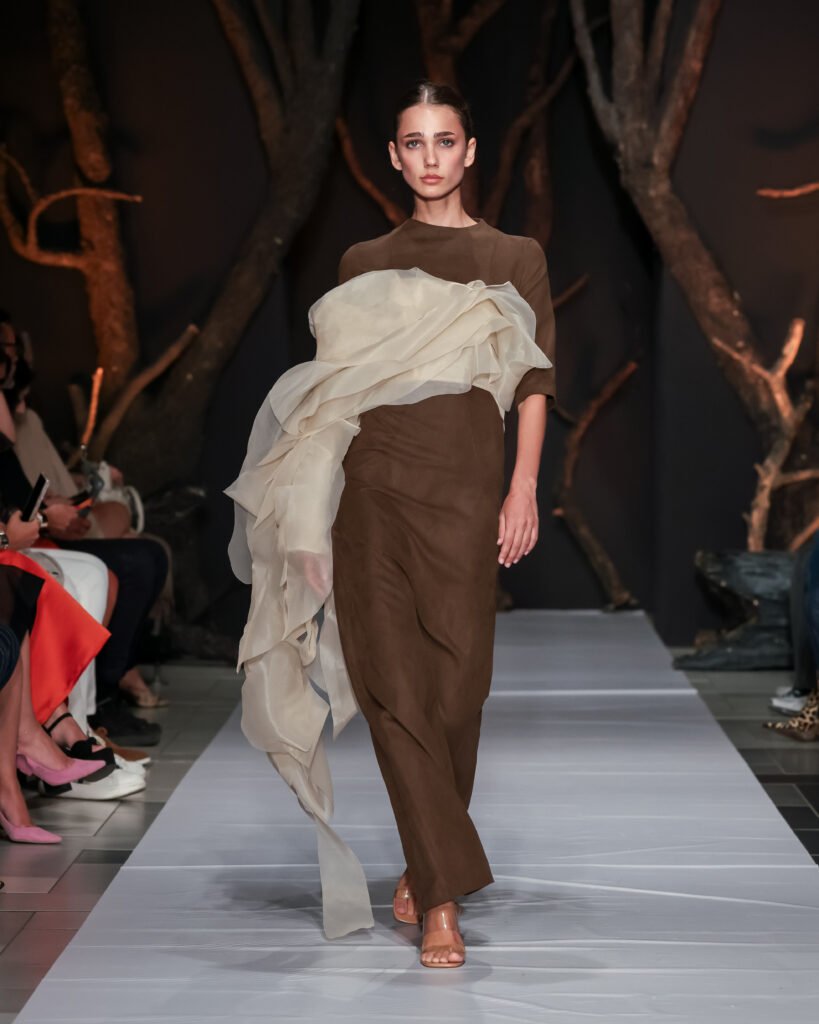
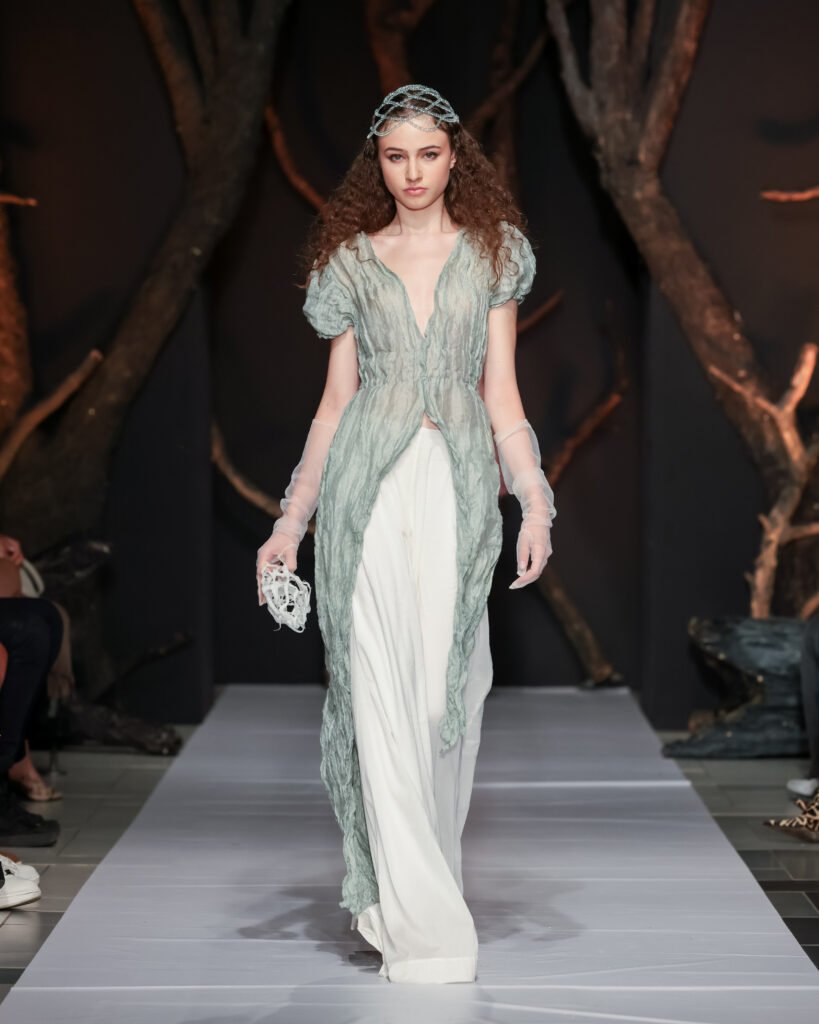
Irina Silaghi & Cornel Crișan
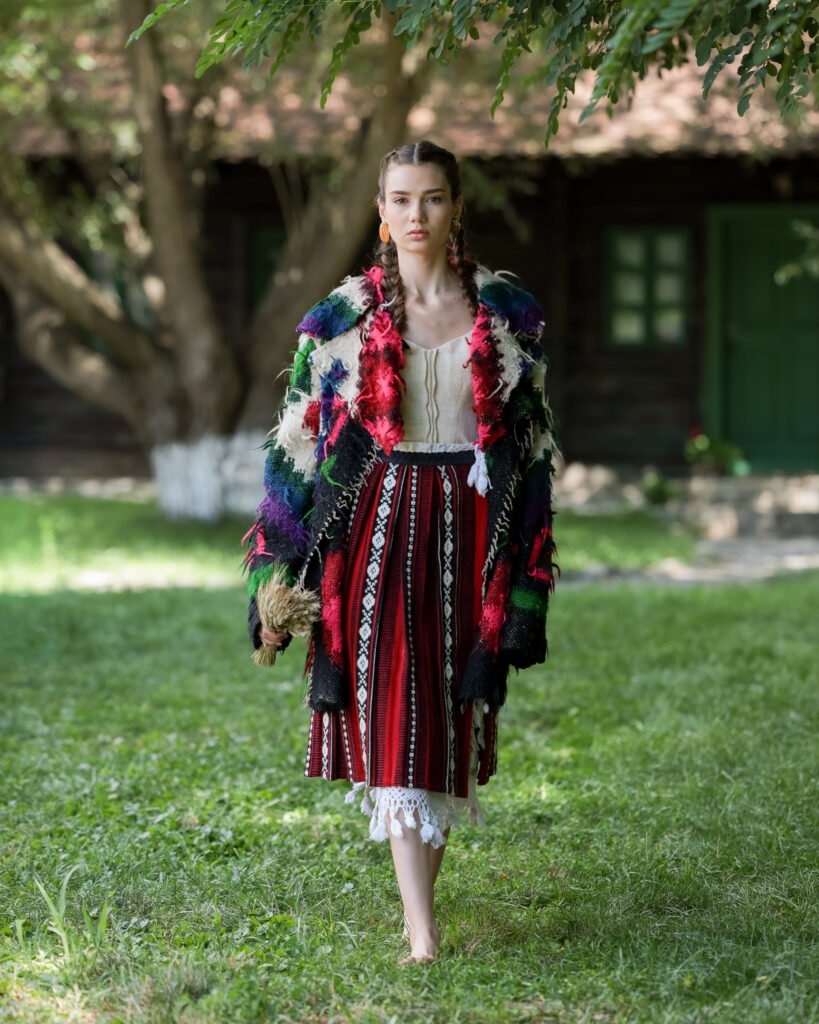
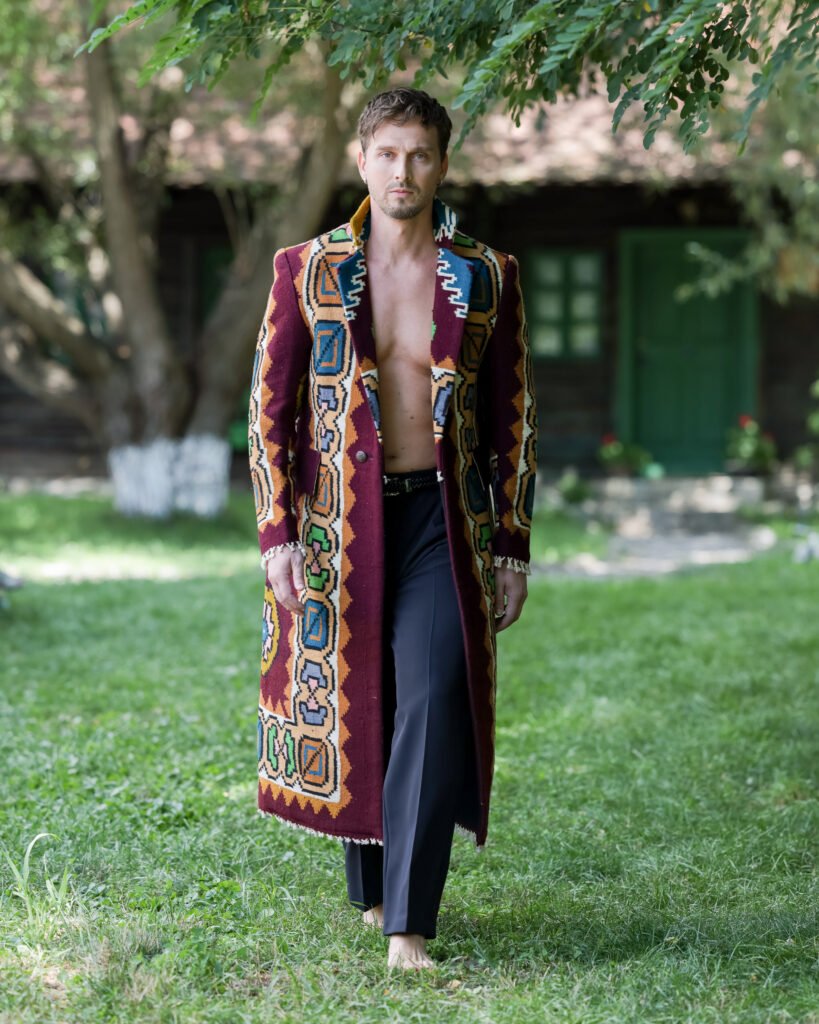
With Lepedeul: Between Tradition and Modernity, Irina Silaghi and Cornel Crișan recovered traditional handwoven textiles created more than six decades ago and transformed them into a contemporary capsule collection. Geometric and floral motifs, carved wooden accessories and modern silhouettes gave new life to Romanian textile heritage, demonstrating that tradition can continue to evolve without losing its essence and can become a valuable tool for more sustainable design.
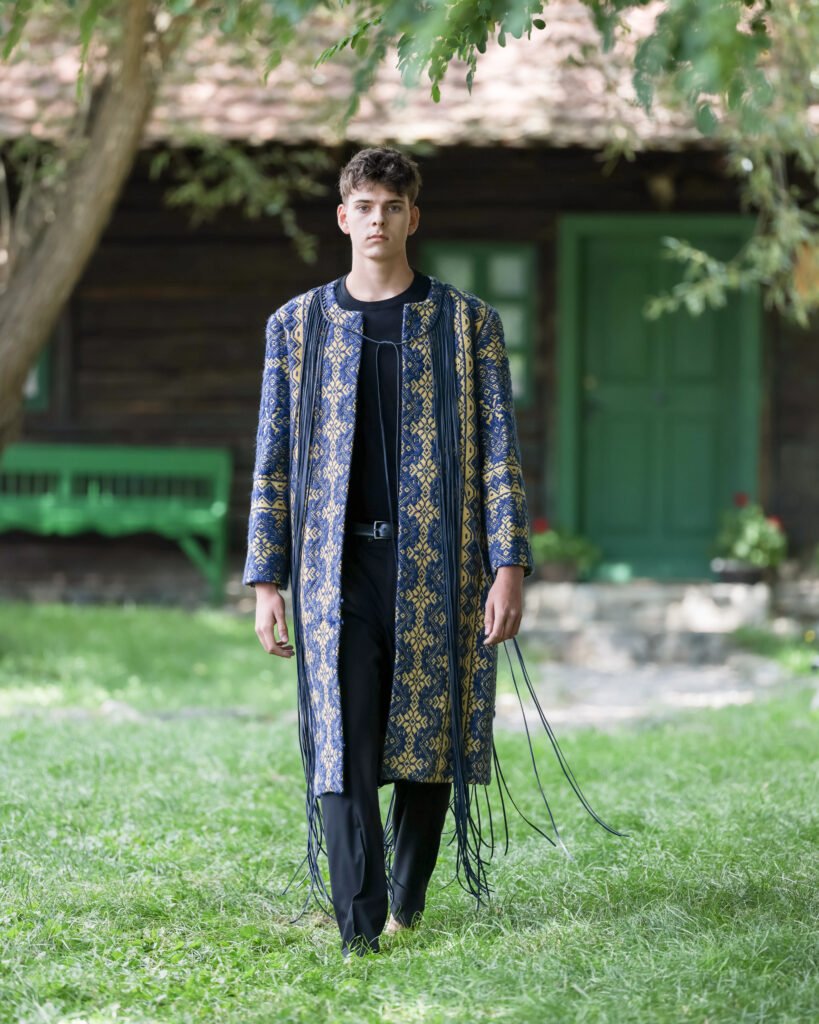
International Balkan University — Macedonia
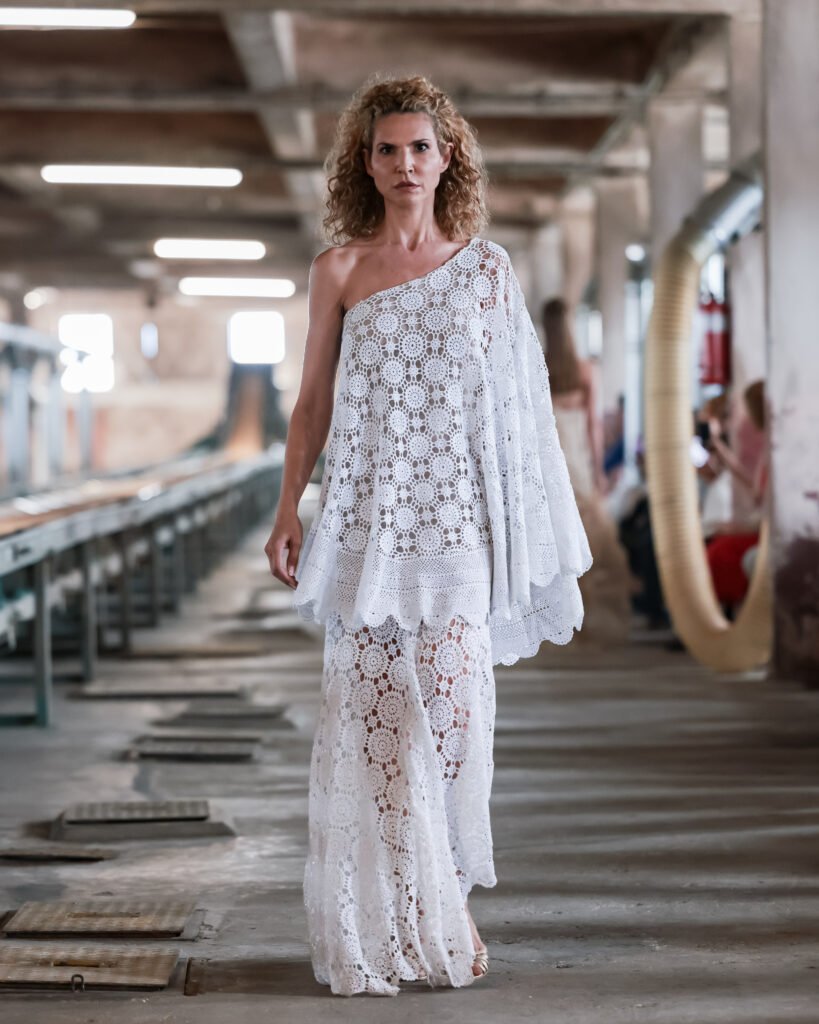
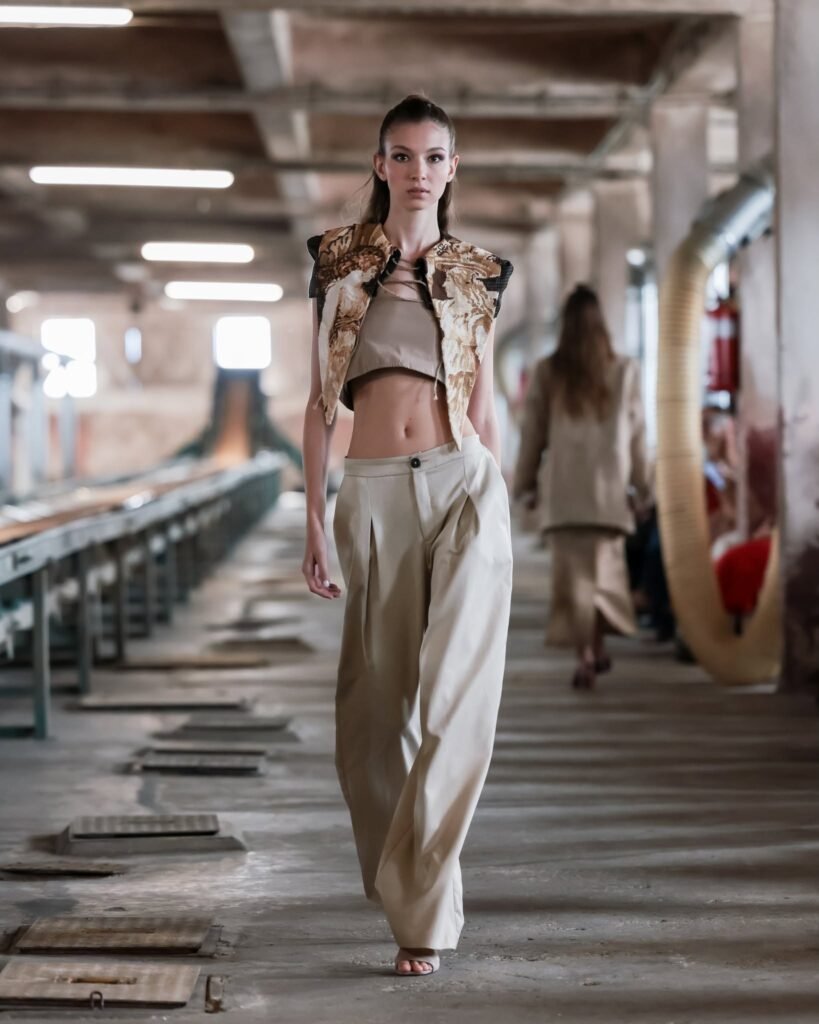
IBU students presented The Art of Contrast, a collective collection exploring the dialogue between cultural heritage and contemporary fashion. Embroidery, lace, reconstructed materials and references to Art Nouveau and Islamic ornamentation coexisted within sculptural silhouettes that reinterpreted memory and craftsmanship from a contemporary perspective. The result celebrated cultural diversity as a source of innovation.
SAPU Poland — Martyna Agnieszka
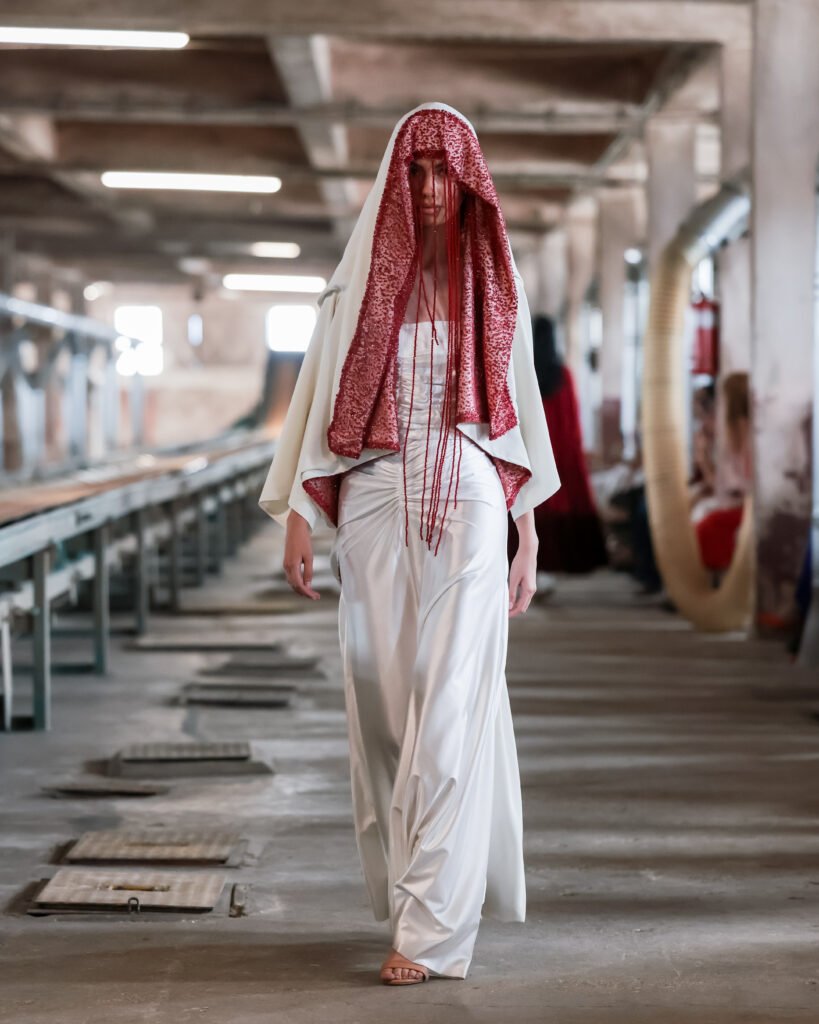
Designer Martyna Agnieszka concluded the edition with The Third World of Women, a deeply personal collection reflecting on the role of women in society. Through unfinished edges, human hair and details borrowed from menswear, each of the eight silhouettes paid tribute to women who had shaped her life. An intense and symbolic proposal that transformed fashion into a powerful language for identity, memory and emancipation.
Daiana Stăncioiu
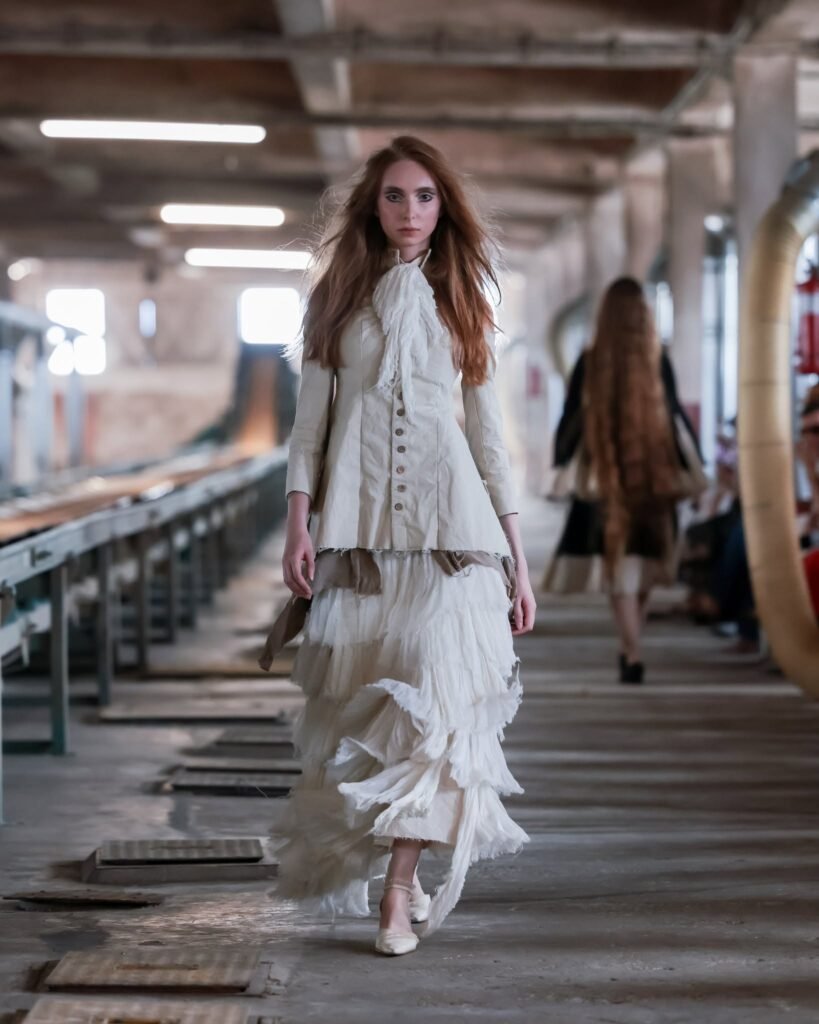
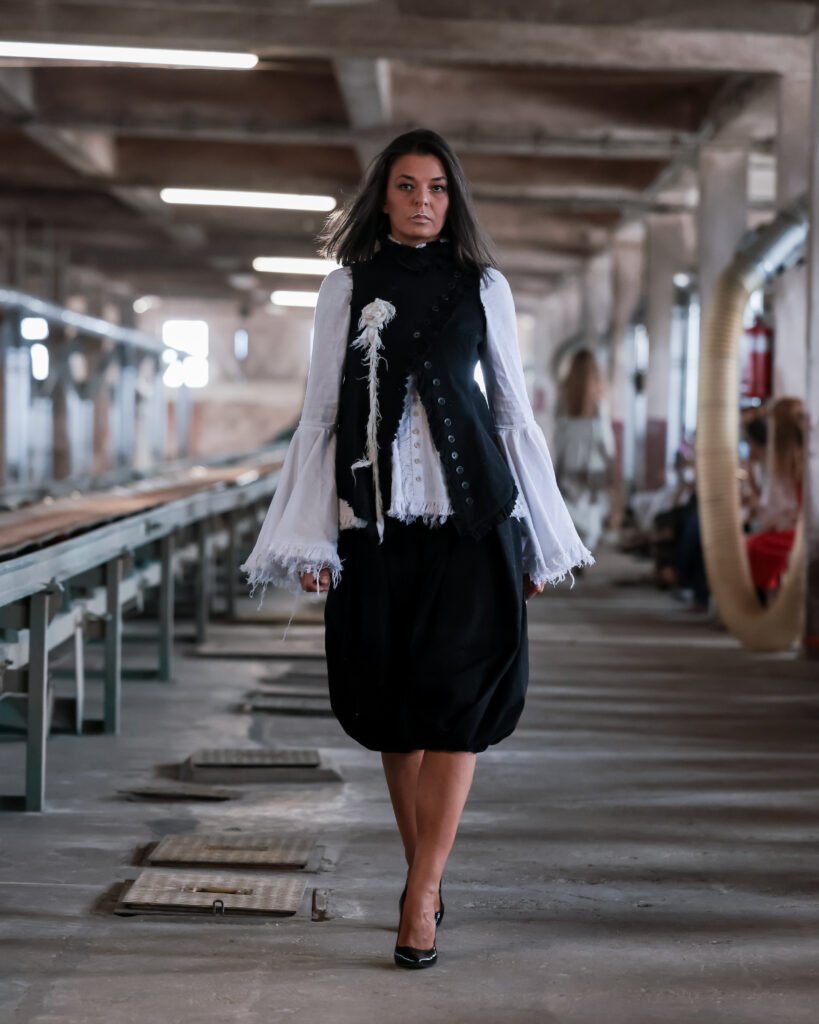
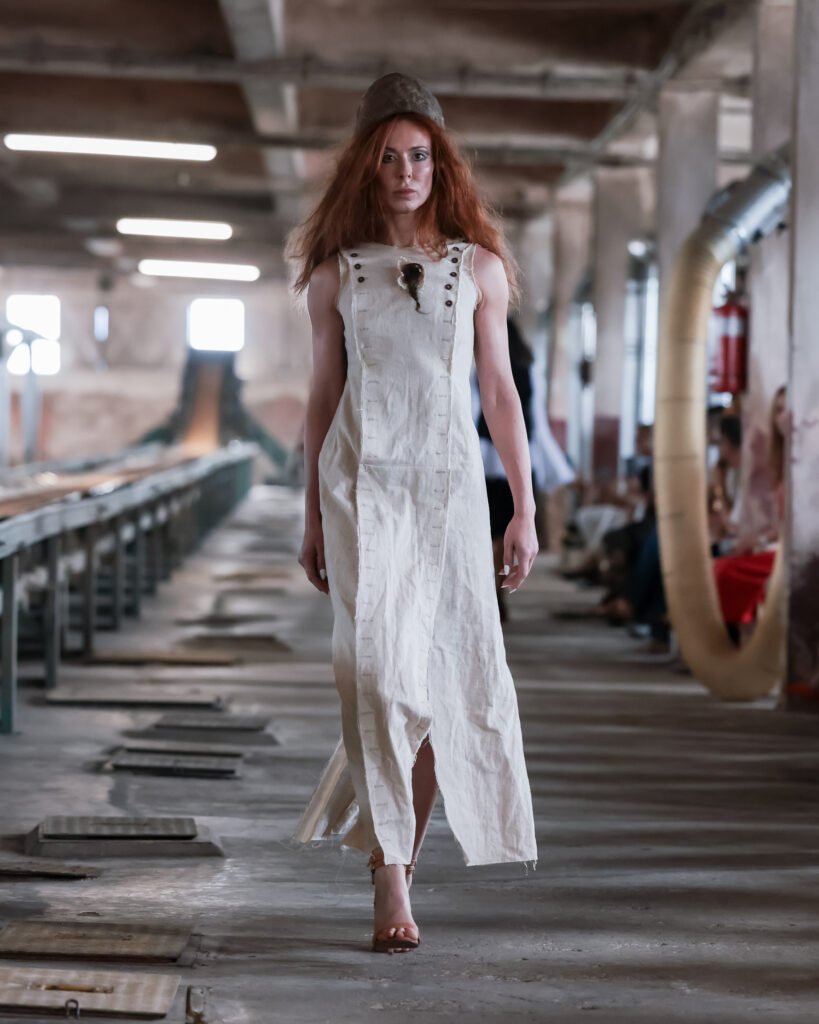
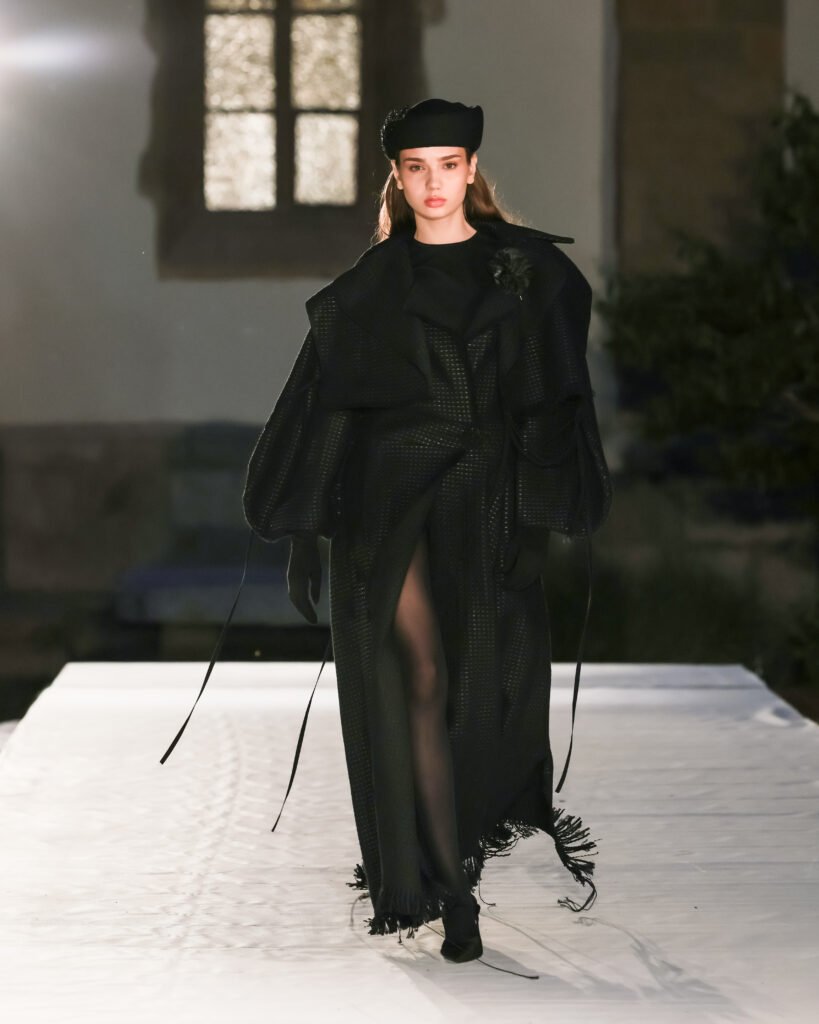
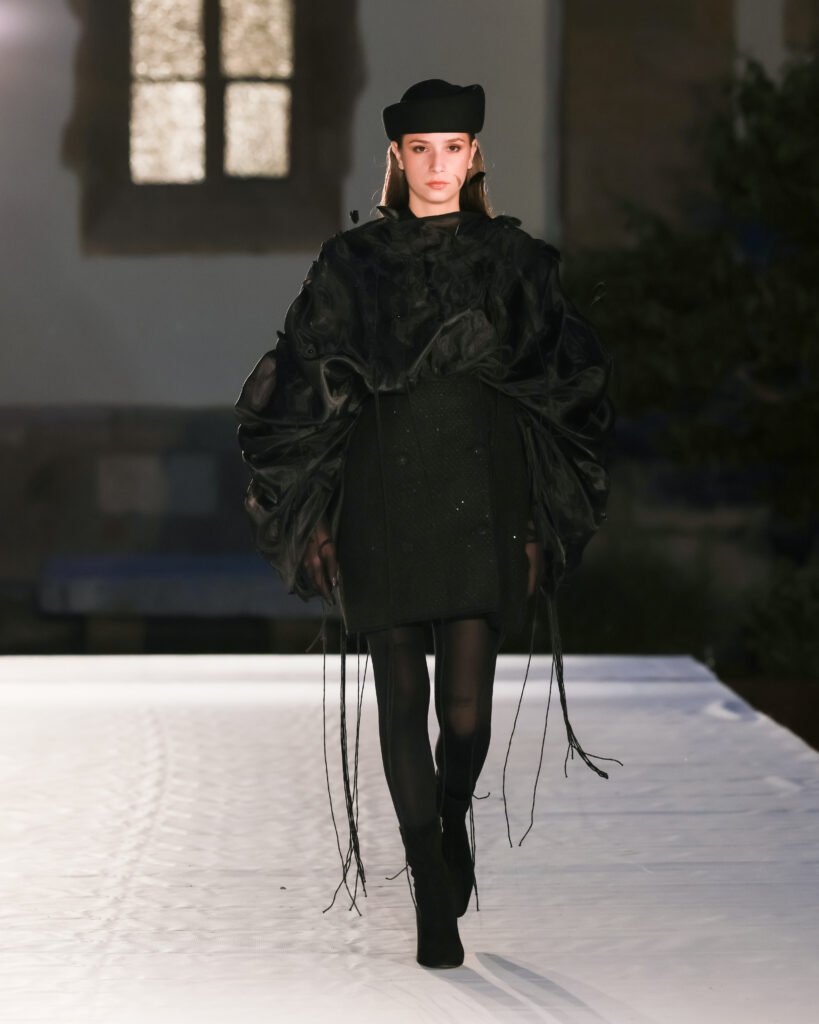
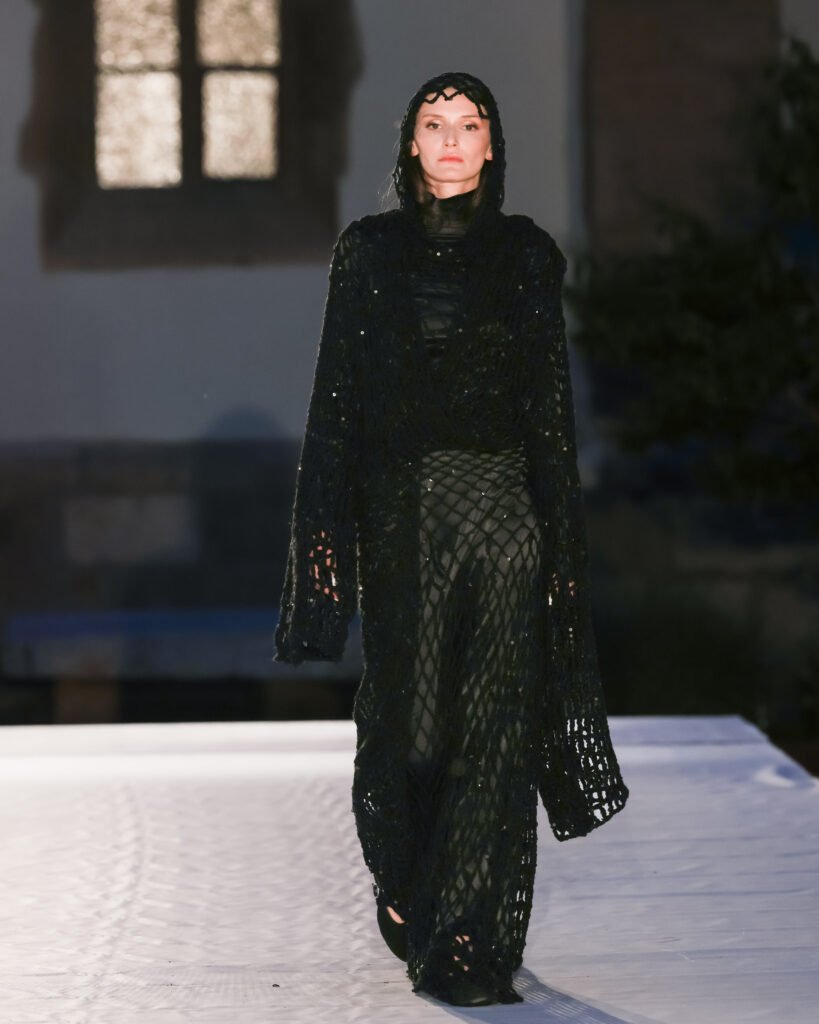
With Untouchable, Daiana Stăncioiu explored the relationship between surface, texture and volume through an investigation in which nature and technology existed in balance. Embroidery, crochet, 3D printing and botanical references formed a sculptural collection that transformed garments into organic structures, the result of an outstanding multidisciplinary collaboration.
Mild Power
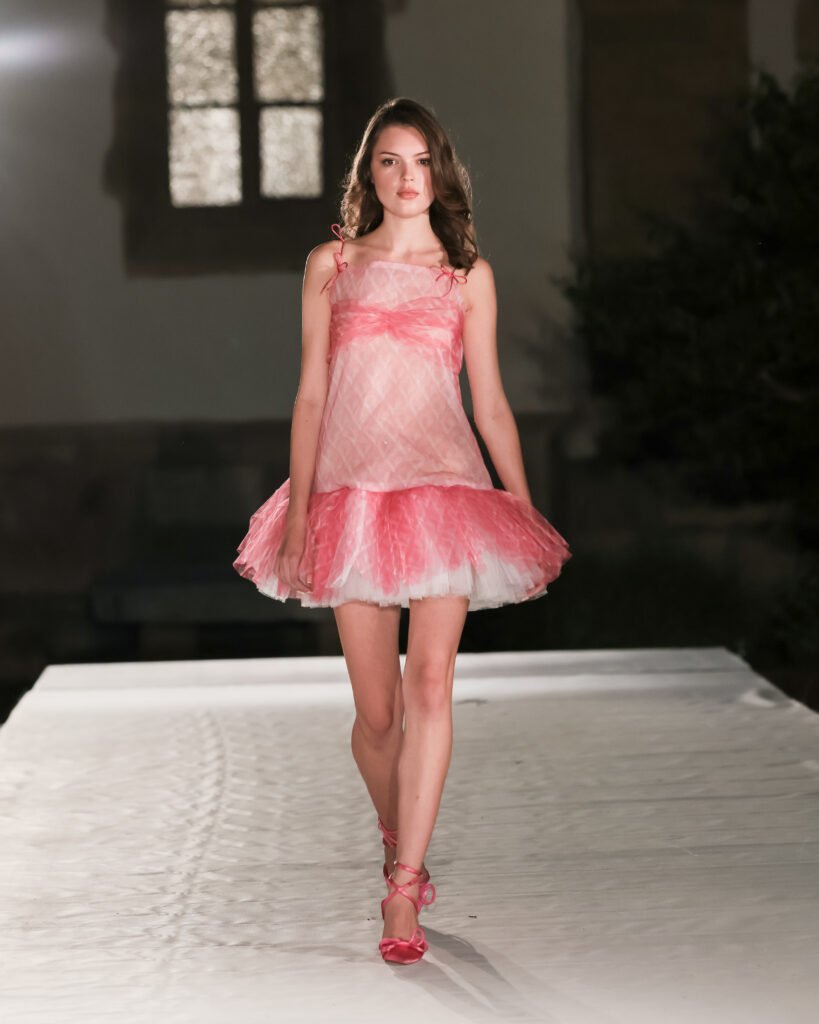
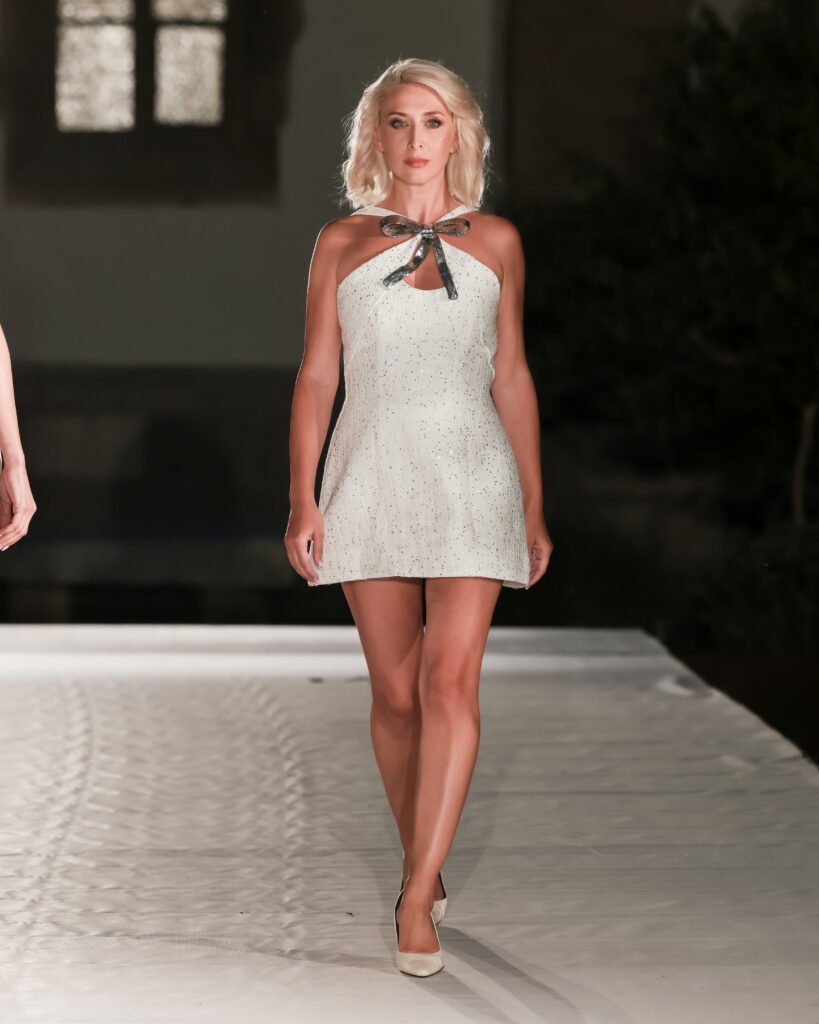
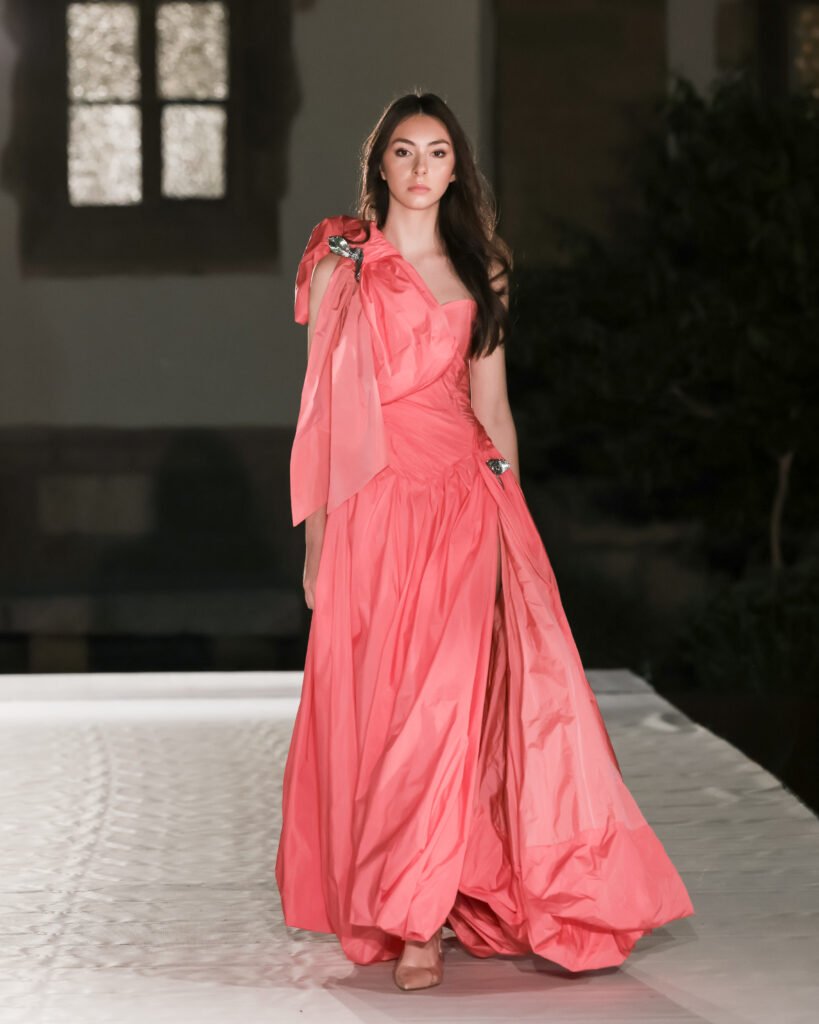
Lithuanian designer Milda Grikšaitė presented Unwrapped, a delicate reflection on love and vulnerability. Inspired by the gesture of wrapping and unwrapping a gift, the collection transformed ribbons, labels, envelopes and folds into structural elements, creating feminine silhouettes that celebrated the beauty of imperfect emotions.
MB11
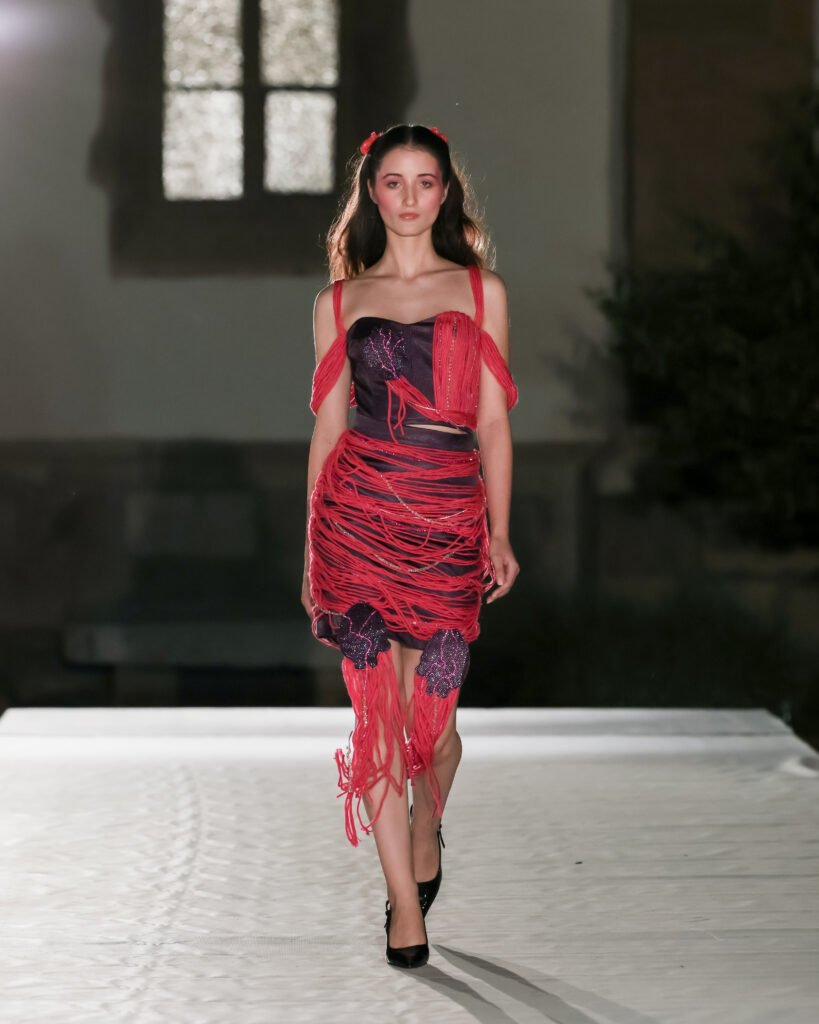
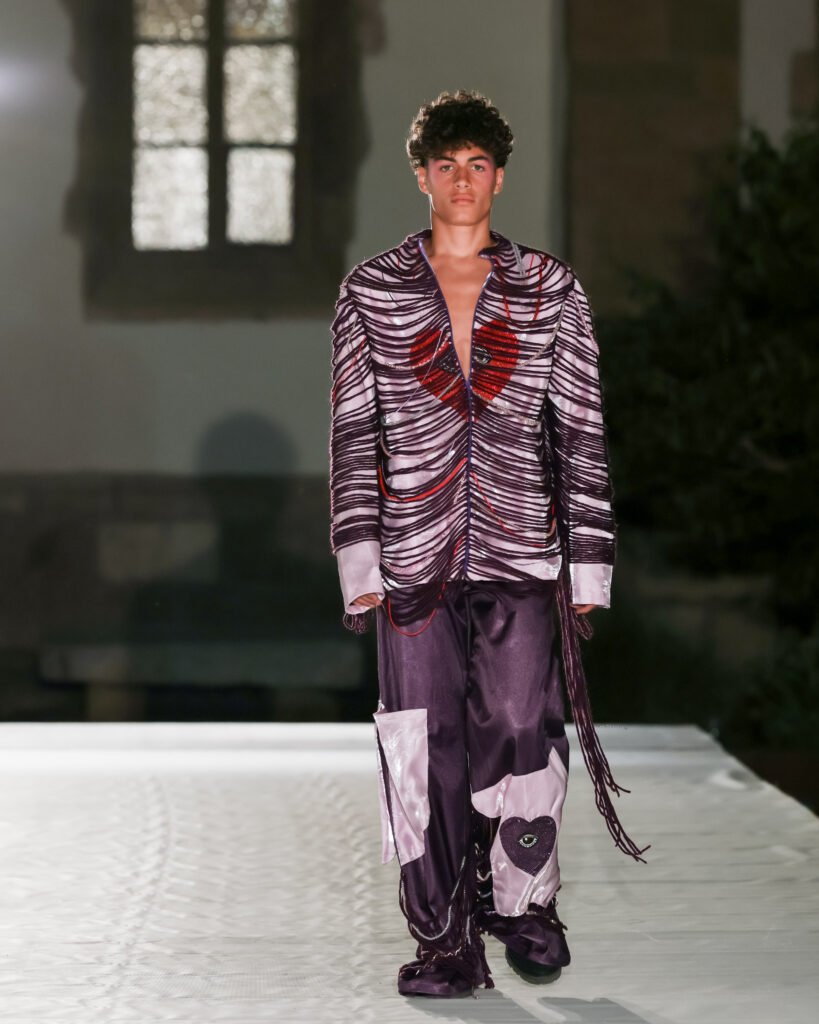
In Thread of Fate, Mădălina Bucur drew on the legend of the red thread of fate to explore the bonds that connect people. Handcrafted yarns and interwoven textile details ran throughout the designs as a metaphor for encounters destined to transform our lives.
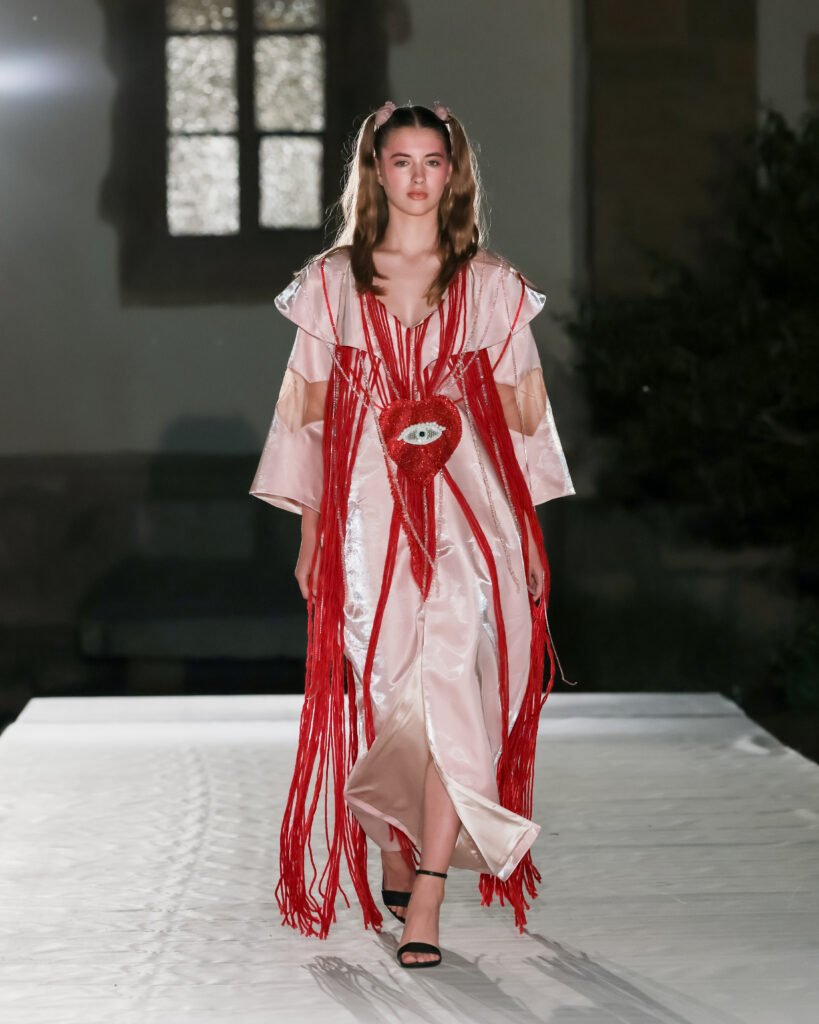
MMAX by Muslima Makhkamova
The Uzbek designer reinterpreted traditional suzani embroidery from a contemporary perspective, integrating it organically into the construction of the garments. The result achieved a balance between tradition and innovation, giving rich artisanal heritage a new dimension within contemporary design.
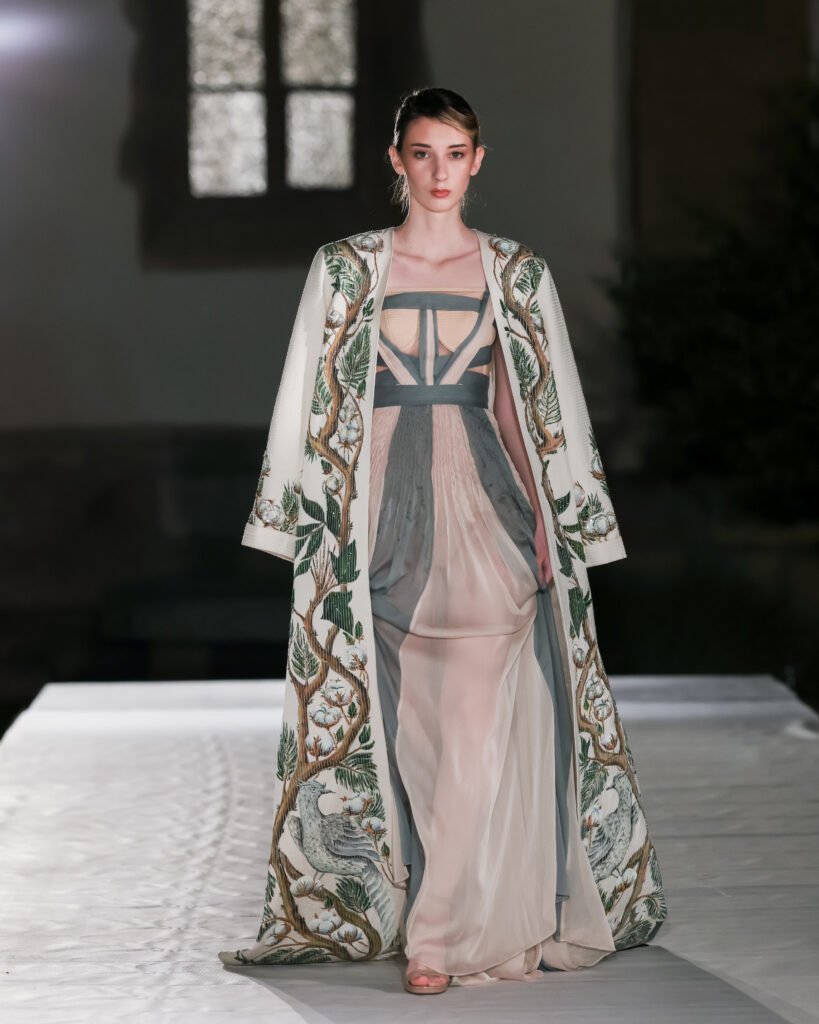
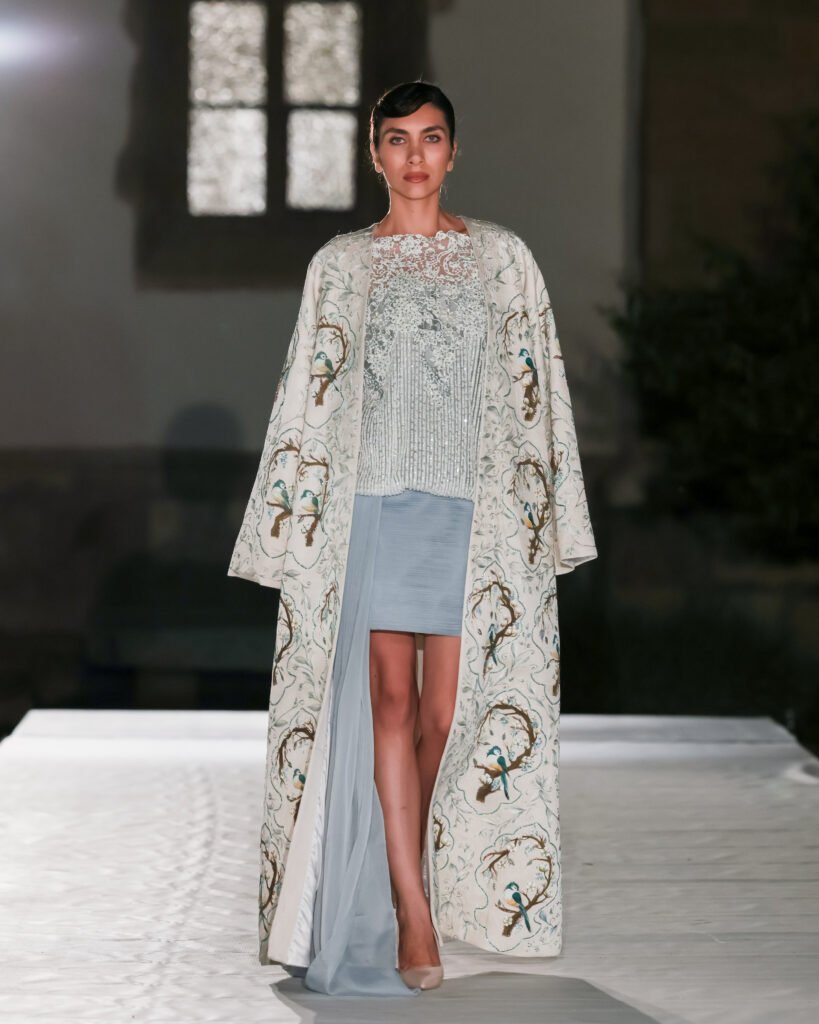
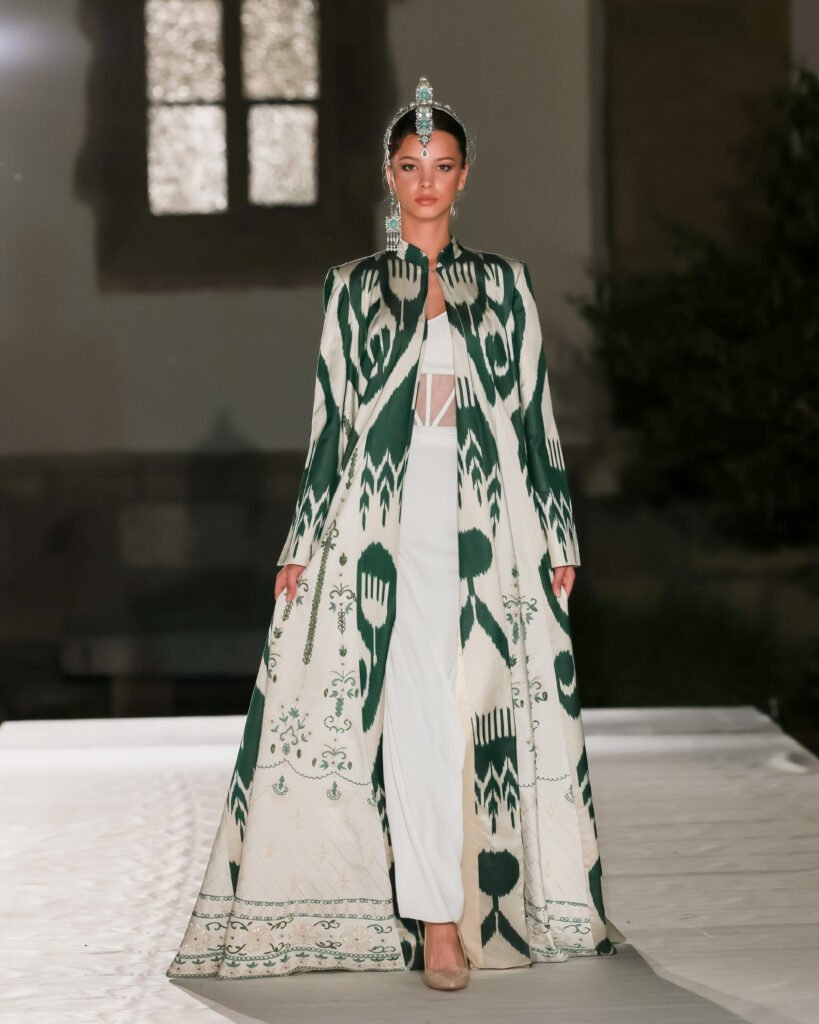
Raffiné by Rita Sarkis
Rita Sarkis’s capsule collection embraced functional elegance, drawing on themes of resilience and adaptability. Refined women’s tailoring, created in neutral tones and timeless fabrics, incorporated smocking techniques symbolising the capacity of contemporary women to transform and grow.
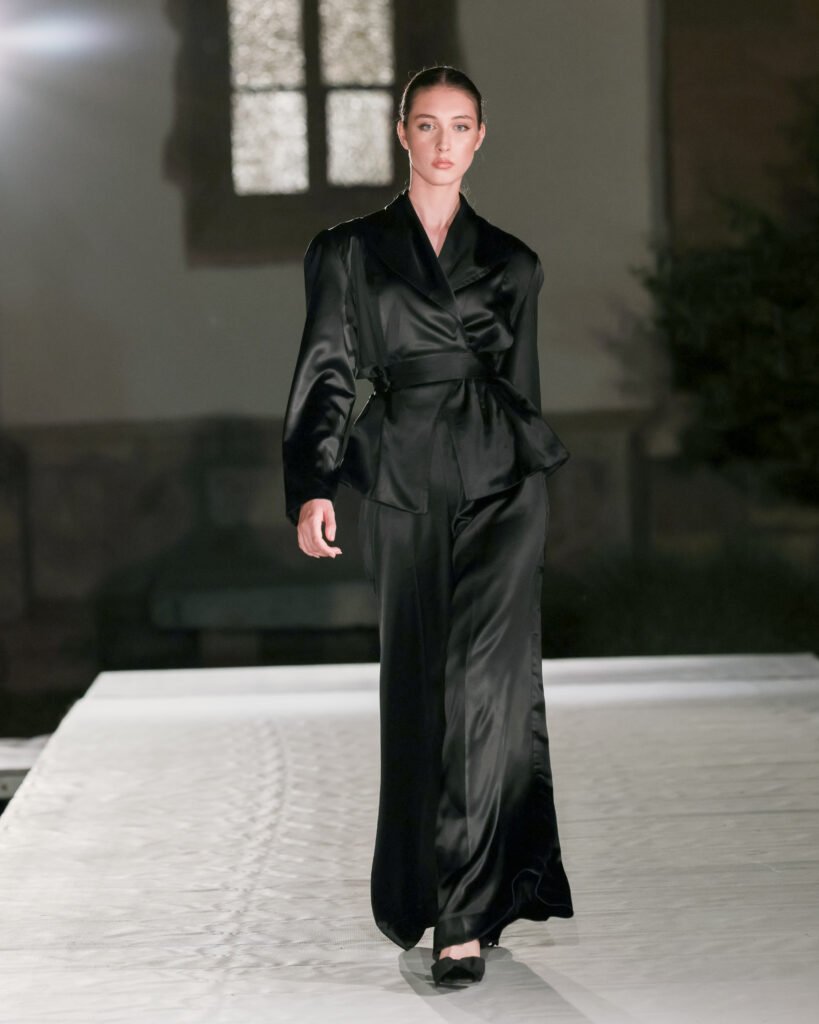
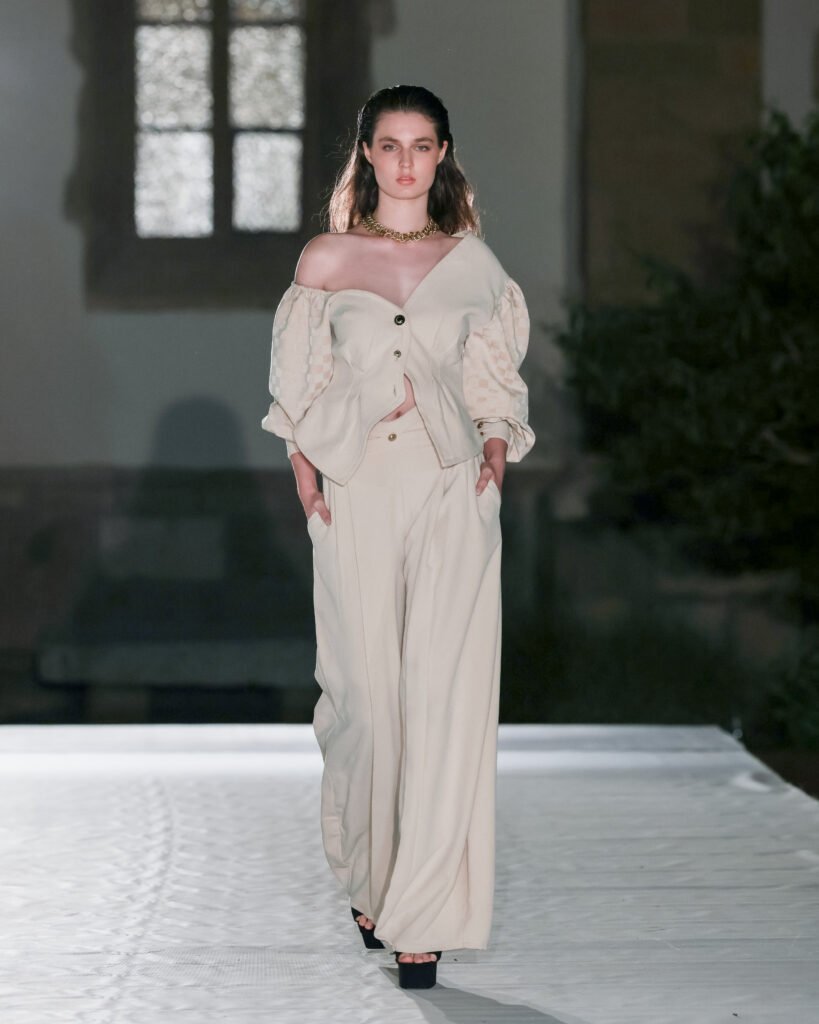
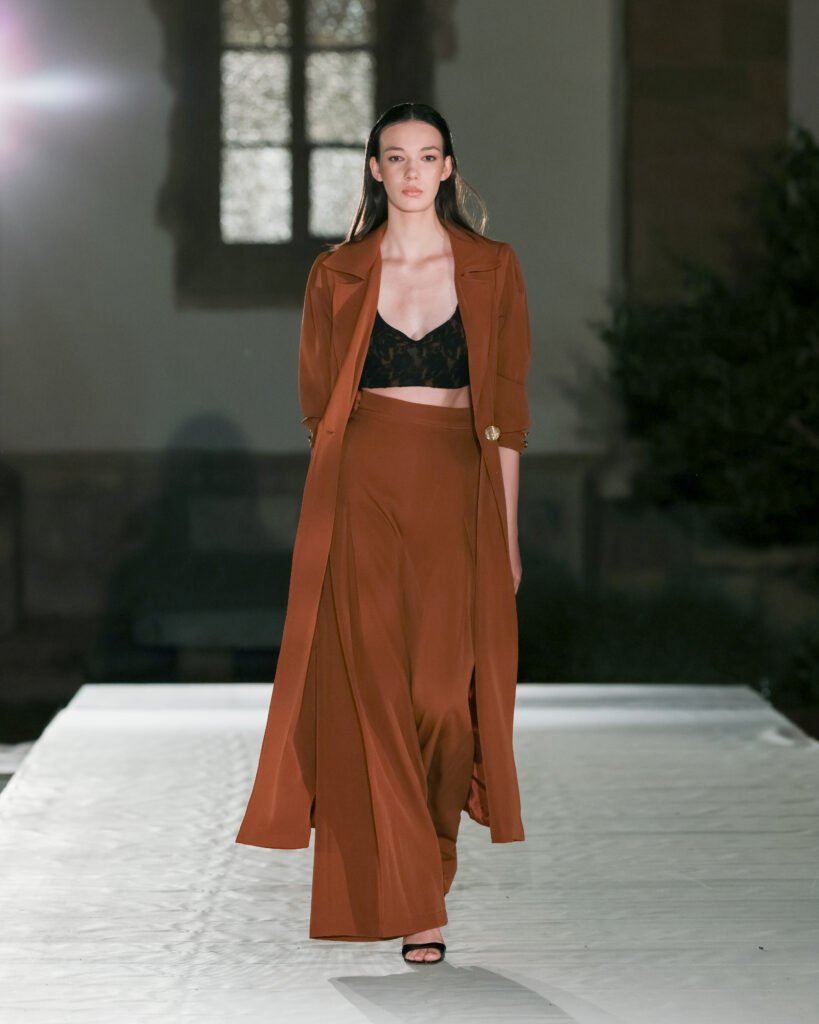
Yulu Xia
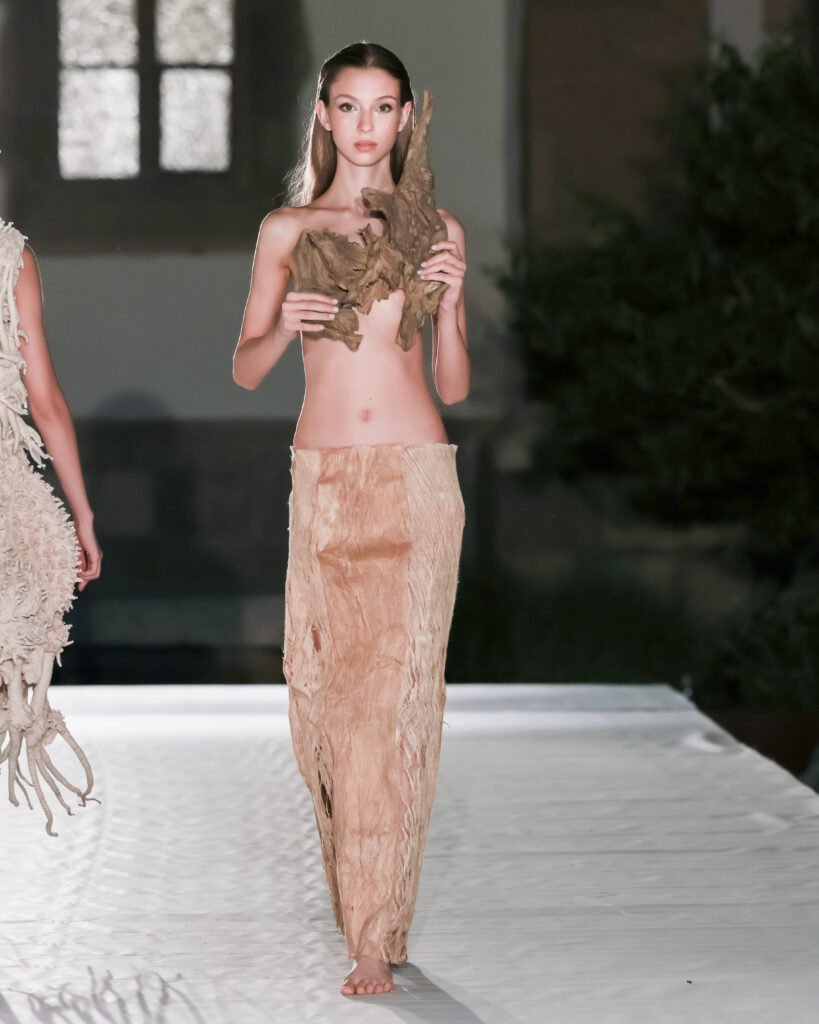
The Chinese designer once again demonstrated her commitment to sustainability with a collection inspired by the cultural and natural richness of Yunnan. Traditional Bai dyeing techniques, mycelium-based biomaterials, wood and bark came together in a proposal that united ancestral craftsmanship, technological innovation and environmental awareness.
University of Arts “George Enescu” from Iași — Romania
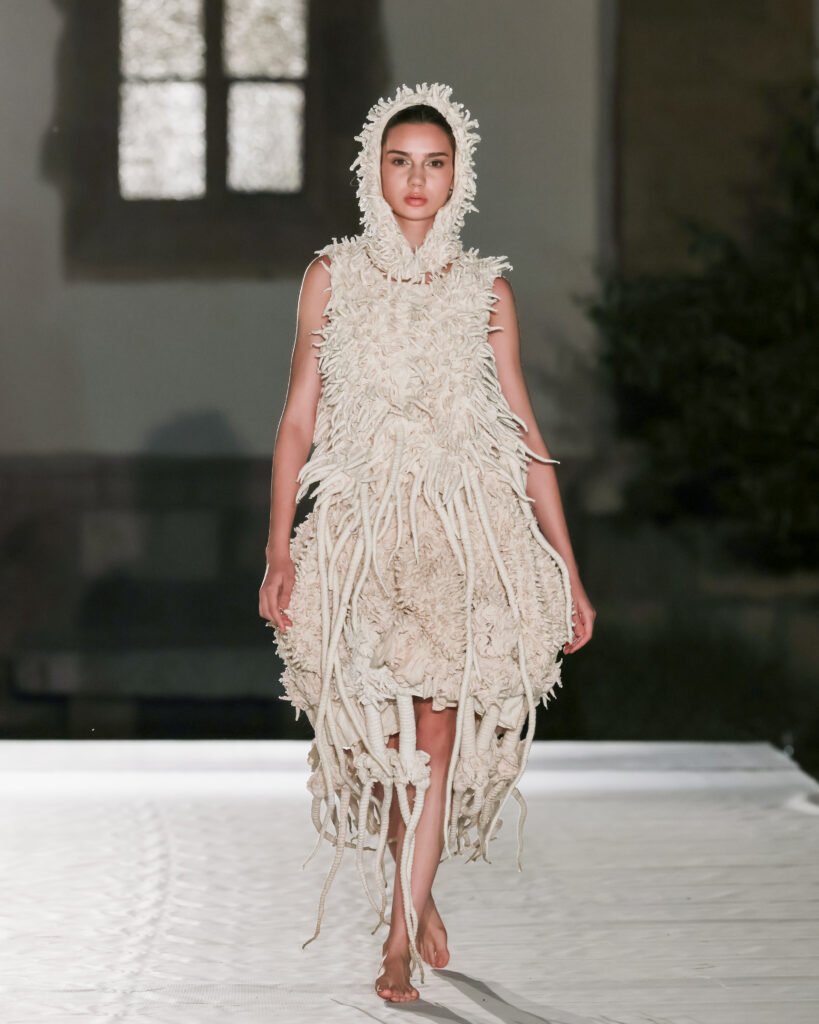
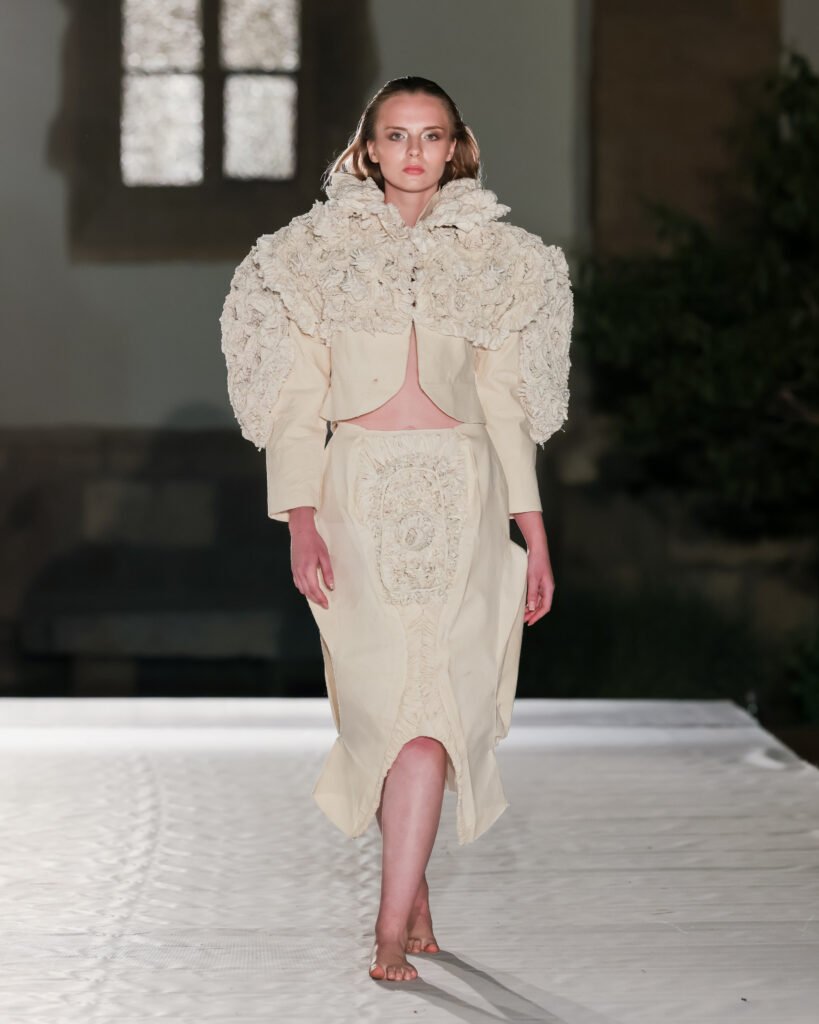
Graduates from the Romanian university constructed a collective narrative in which five creative worlds explored themes including memory, grief, tradition and identity. From references to Kafka to reinterpretations of traditional Romanian dress and the imagery of the Day of the Dead, the collection stood out for its conceptual diversity and strong narrative dimension.
Faculty of Applied Arts — Serbia
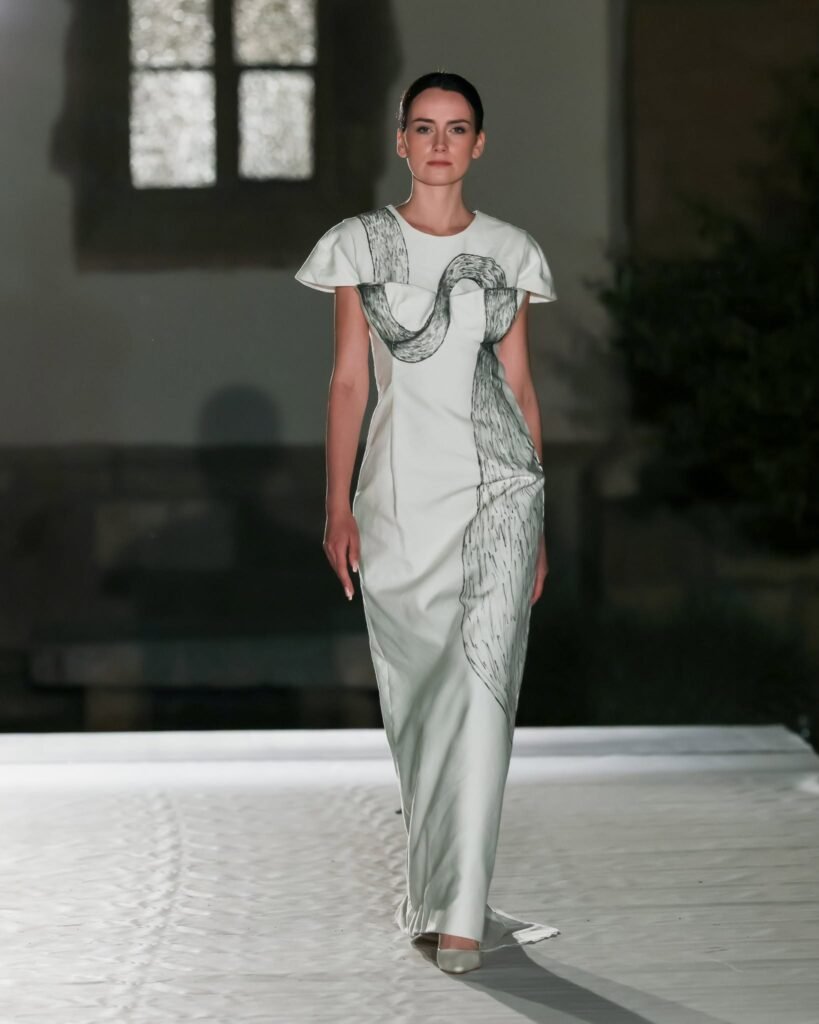
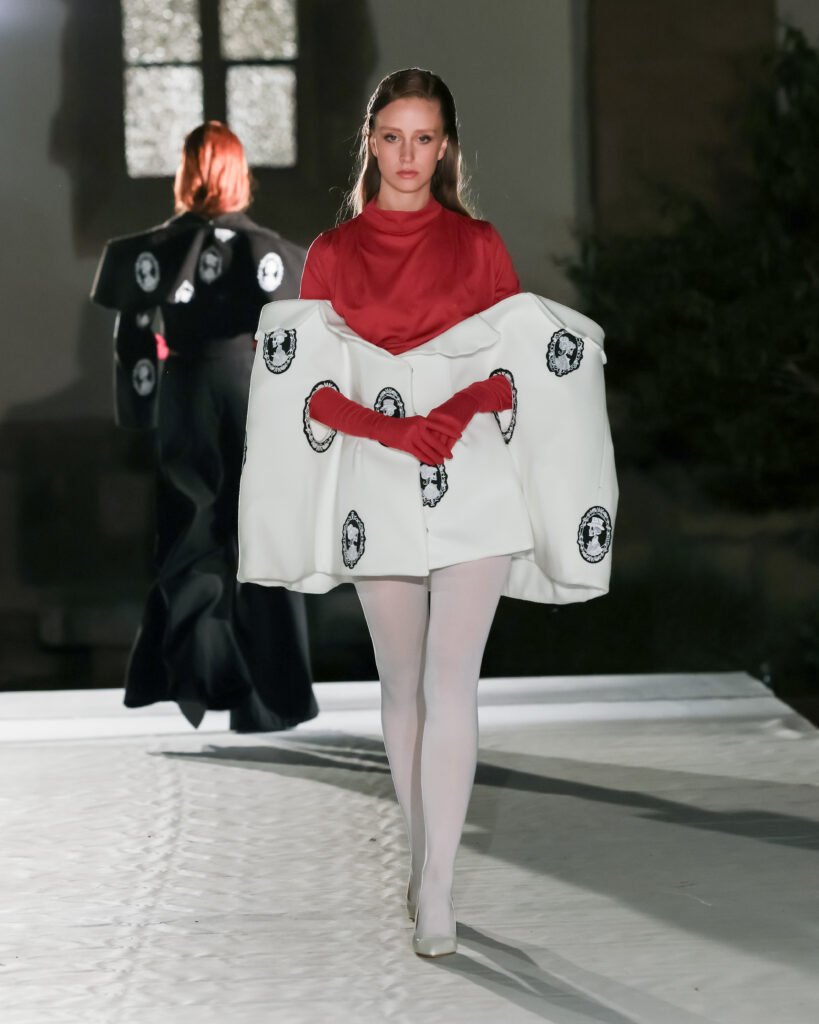
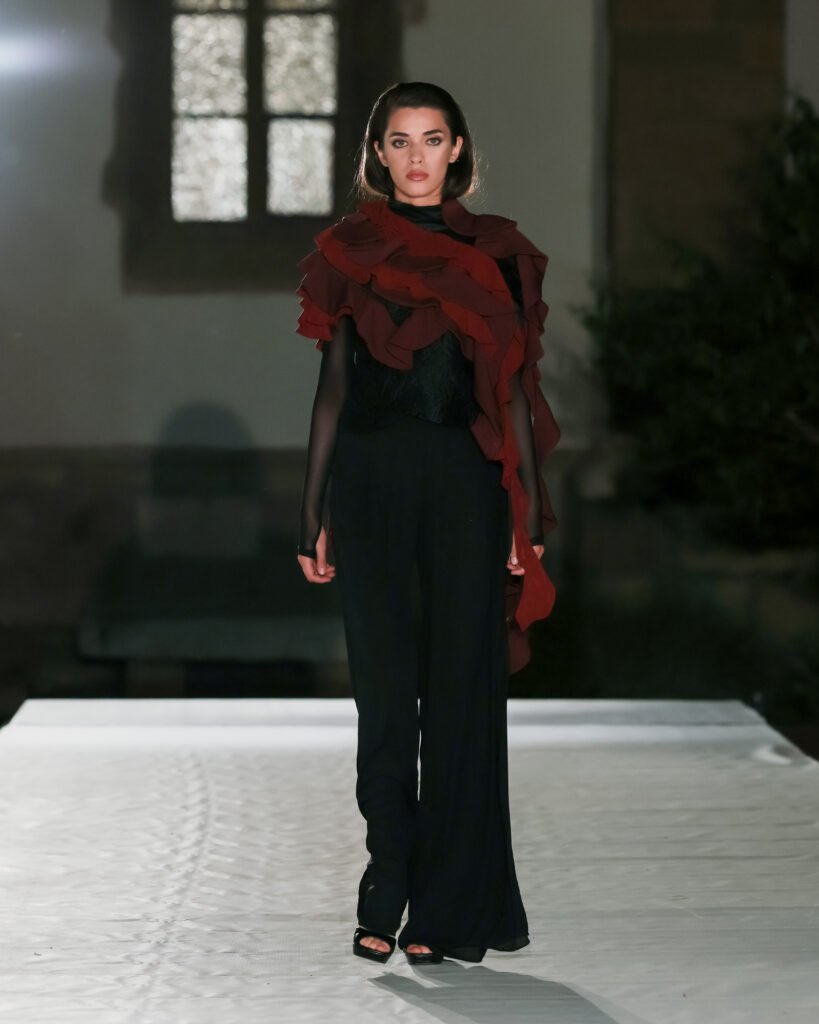
The Serbian presentation brought together four collections exploring human relationships, sustainability and vulnerability. Reclaimed materials, literary references, architectural construction and a deeply emotional perspective shaped a runway that demonstrated the creative richness of a new generation of Balkan designers.
UPSC “Ion Creangă” — Moldova
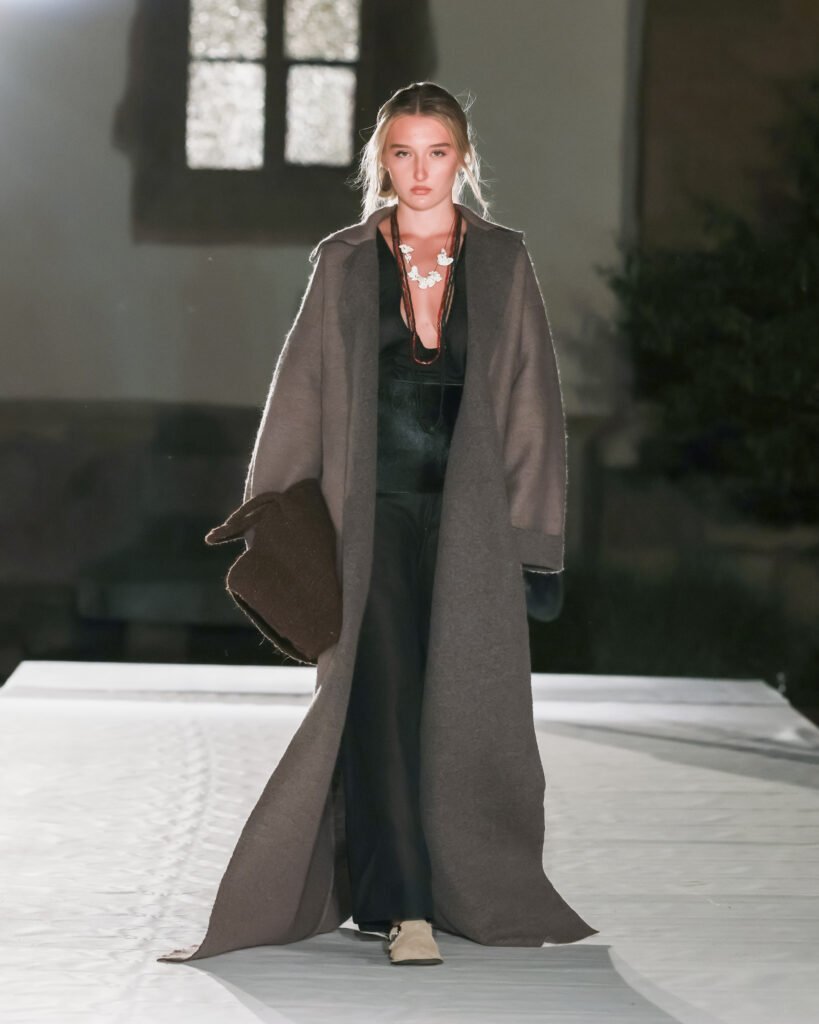
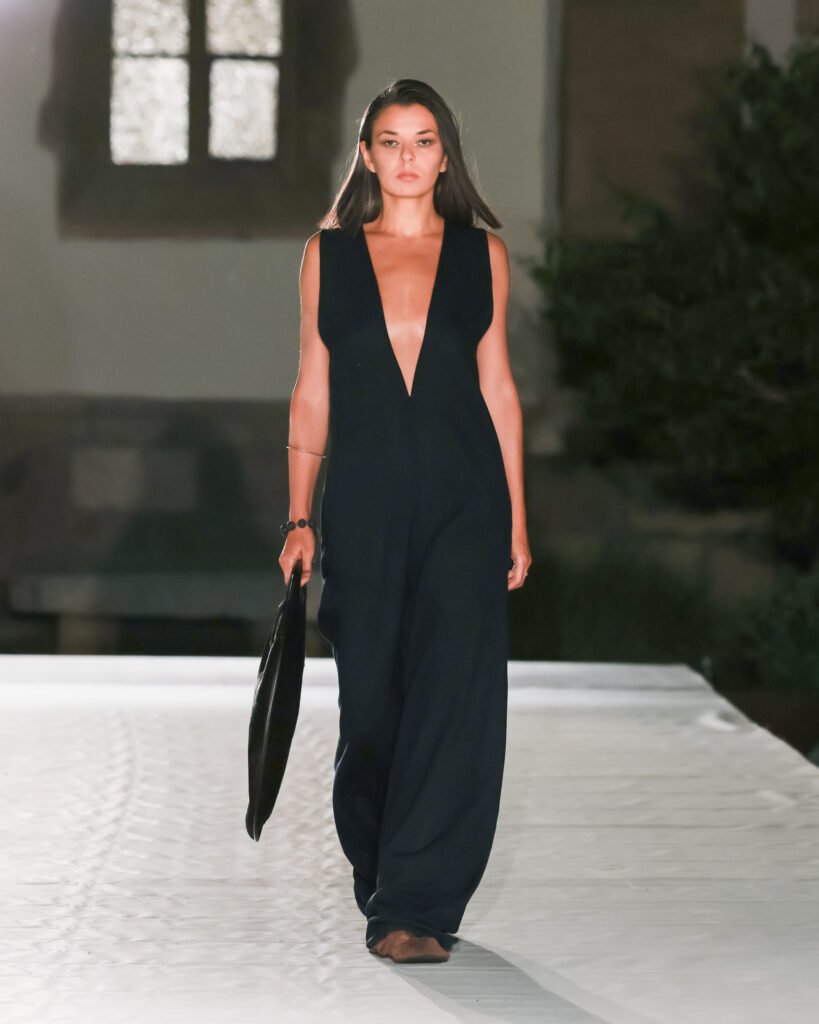
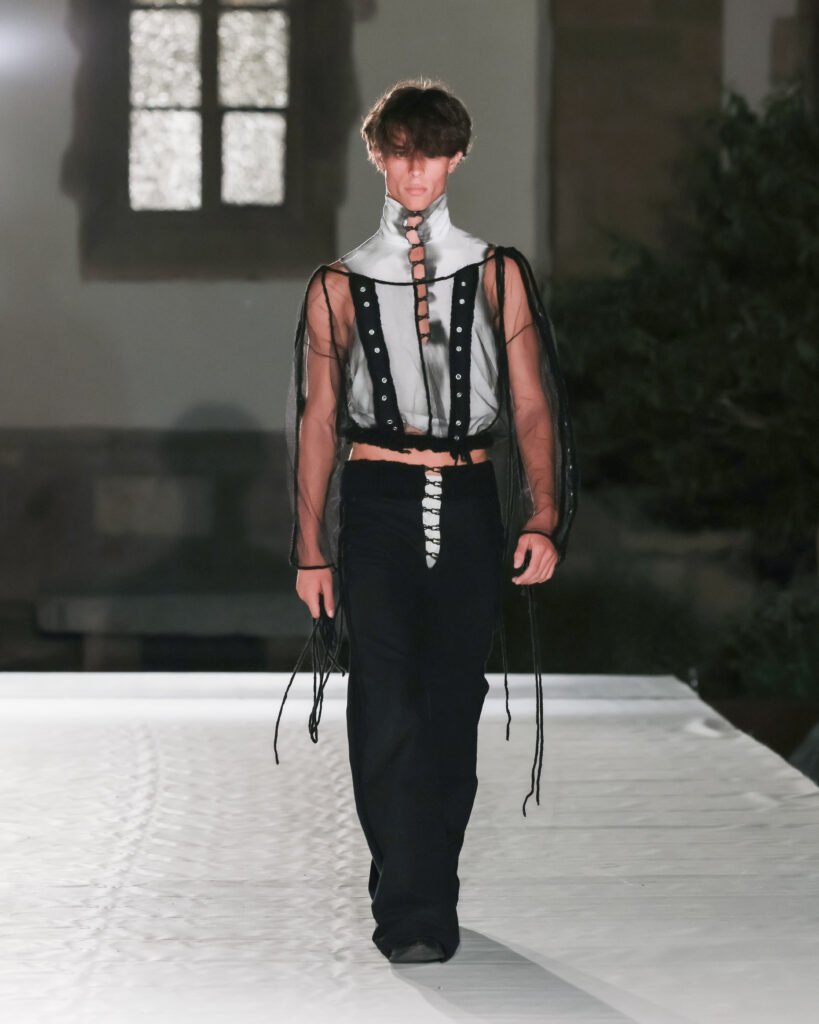
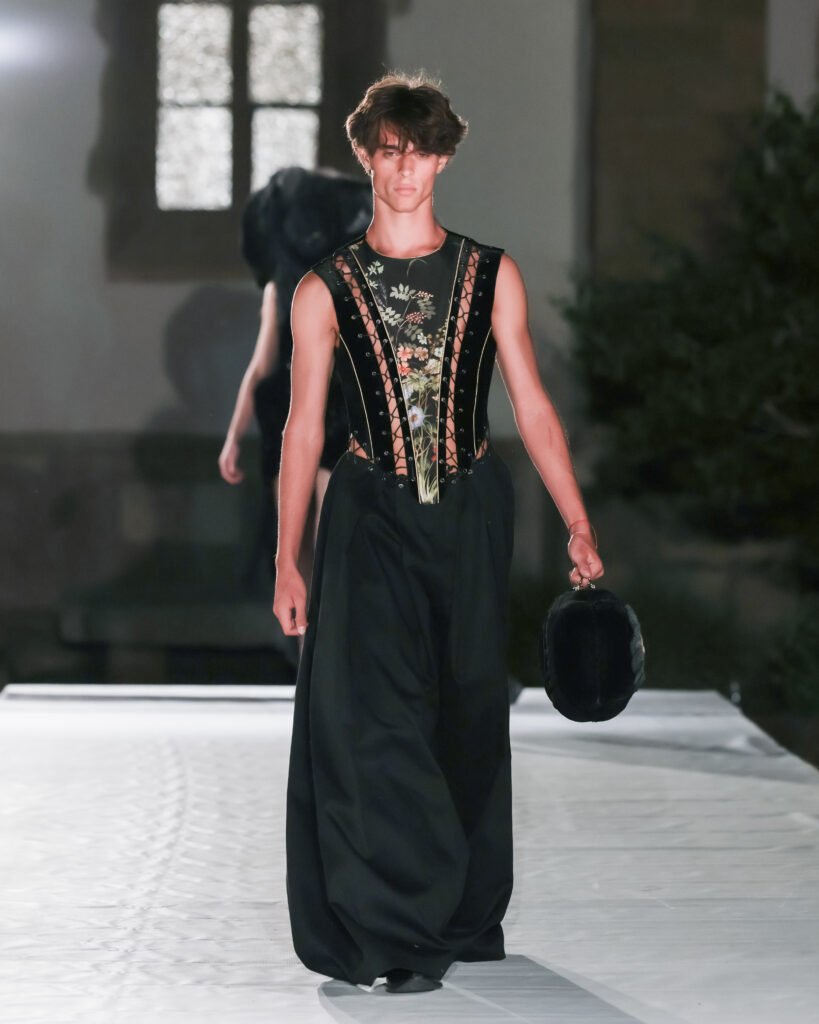
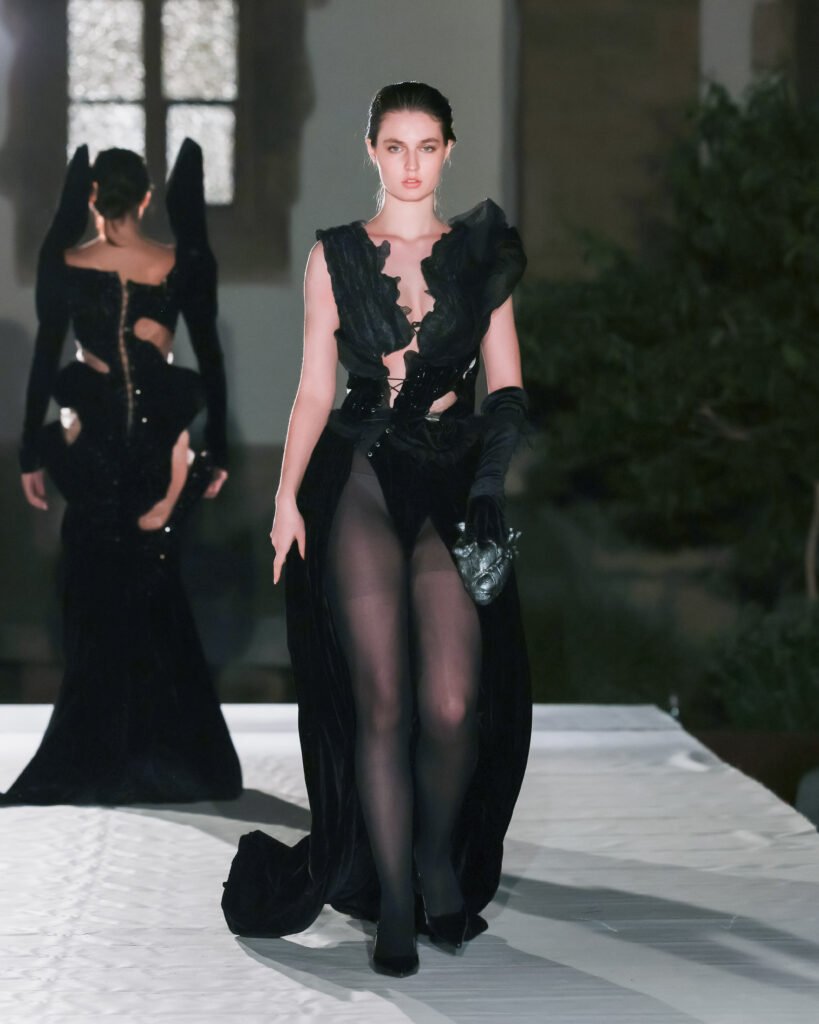
Moldovan students presented three collections united by an exploration of identity, duality and gender fluidity. Velvet, organza, wool and transparency shaped transformable silhouettes that combined craftsmanship, innovation and a contemporary vision of personal expression.
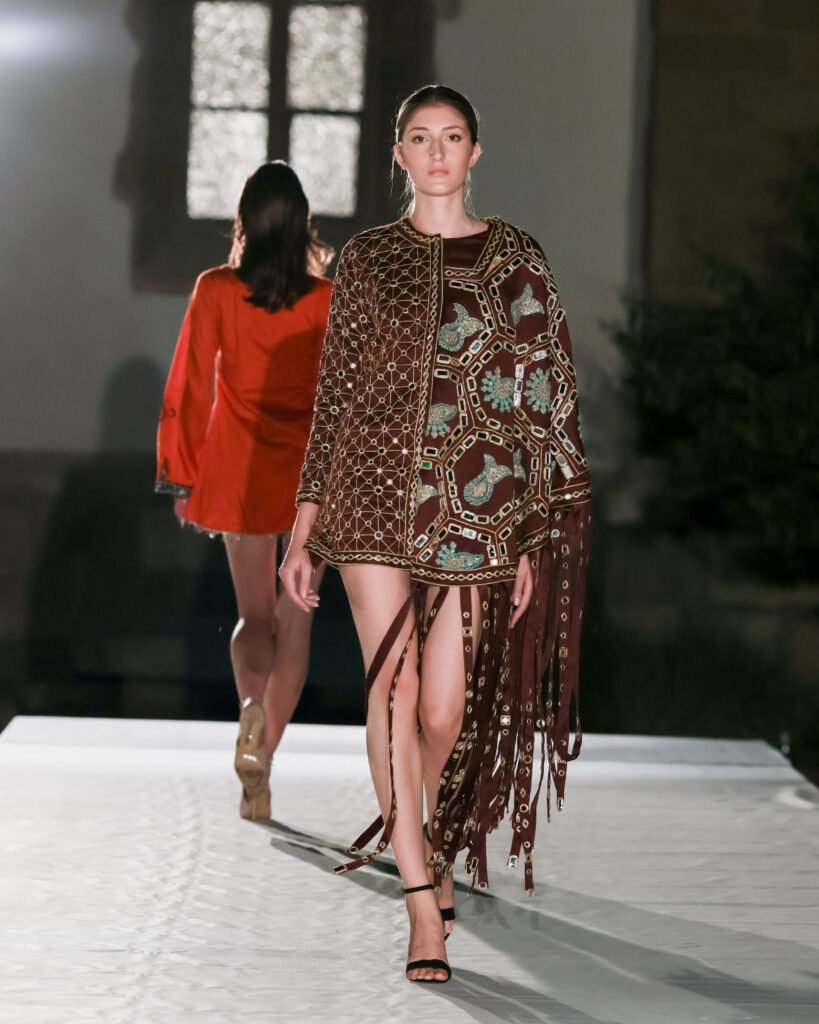
International Design Academy with Burgo India
The edition concluded with Nomadic Opulence, a collection that reinterpreted paisley, mirror embroidery and nomadic craftsmanship through the lens of contemporary haute couture. Sculptural volumes, a rich palette of earthy tones and meticulous artisanal execution brought Feeric Fashion Week 2026 to a close with a celebration of cultural diversity and the power of savoir-faire as a universal language of fashion.
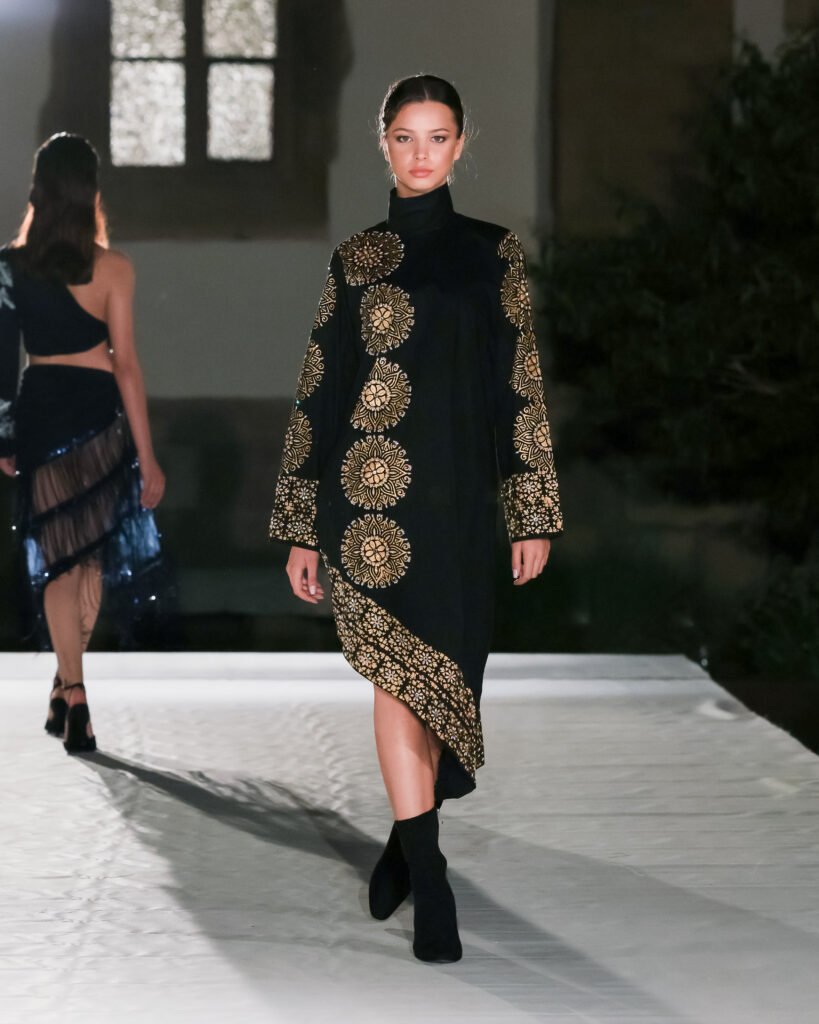
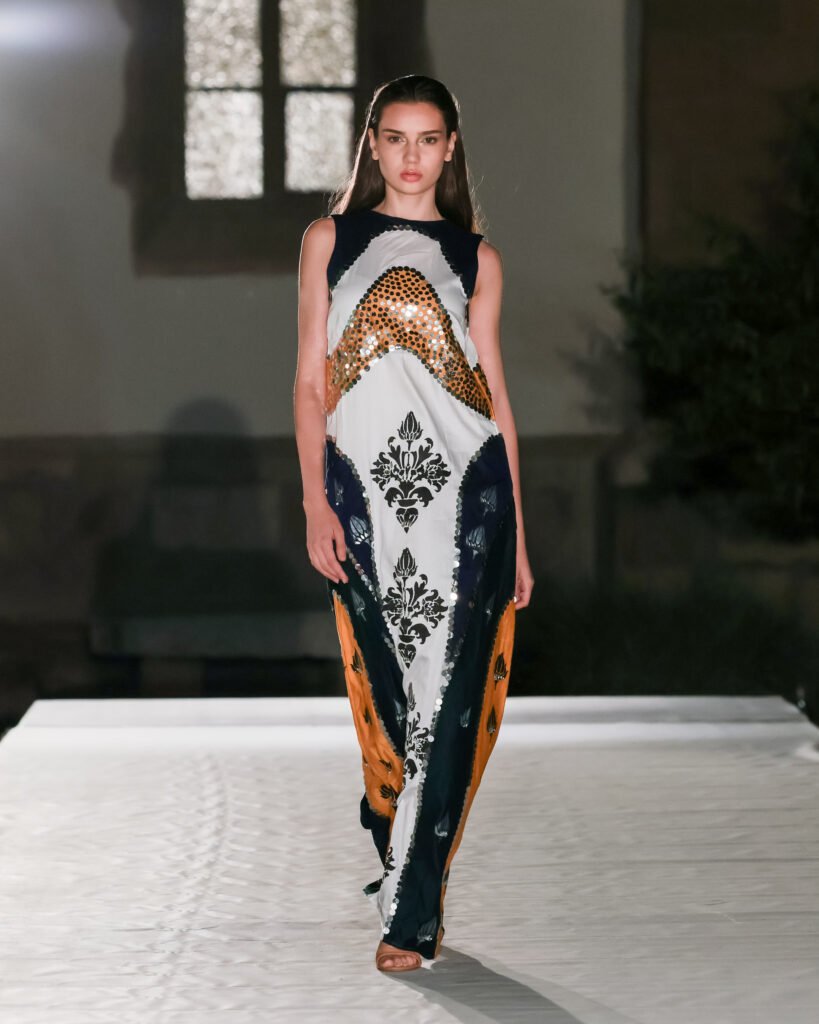
More than a fashion week, Feeric Fashion Week 2026 once again established itself as an international laboratory for creativity, where emerging talent is given the space to question, experiment and propose new ways of understanding design. Across three days, sustainability, craftsmanship, technological innovation and cultural heritage intertwined in collections that demonstrated that the future of fashion lies not solely in trends, but in the stories it is capable of telling.
At a time when the industry is searching for new references and voices, Feeric reaffirms its role as an essential platform for discovering the next generation of designers who, from different corners of the world, are already redefining the language of contemporary fashion.
*Pictures by Cornel Petrus.
Feeric Fashion Week 2026 is an event co-financed by the Sibiu City Hall and supported by NEPI Rockcastle, Promenada Sibiu, Cinegold, Boromir, MG Mecatronics, Humana People to People, Buonavista and Prima Driving School.

