













LVMH, the parent company of renowned natural diamond jeweler Tiffany & Co., is embarking on an innovative journey by introducing clients to watches and jewelry featuring lab-grown diamonds. This strategic move seeks to gauge the interest of luxury buyers in incorporating man-made stones into the highest echelons of the market.
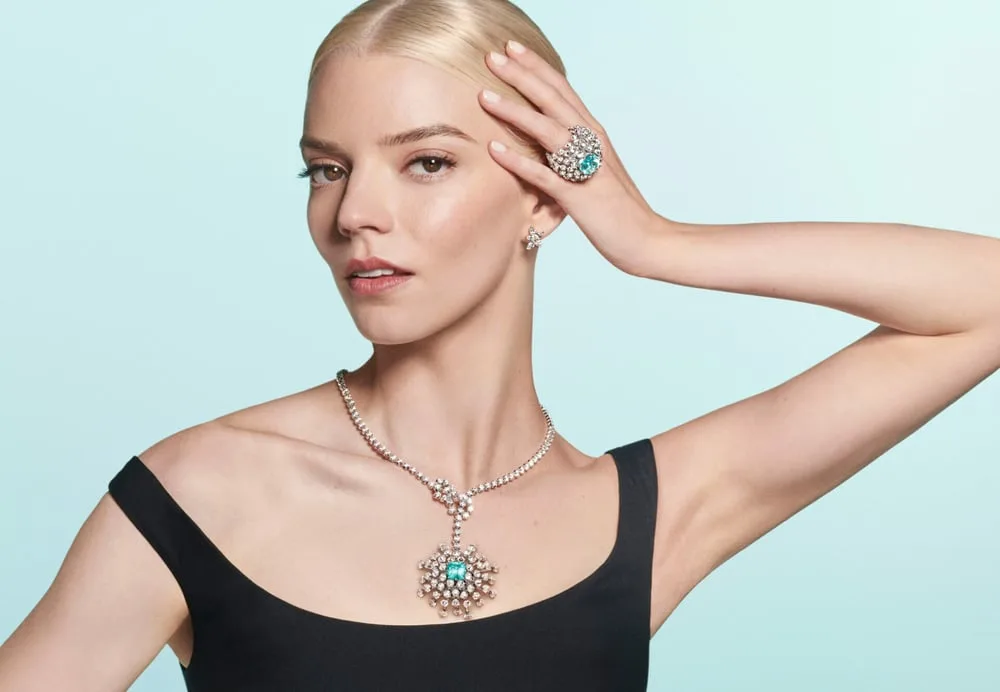
In exclusive, private appointments with clients at its Paris flagship boutique on Rue de la Paix in recent weeks, LVMH’s prestigious Fred label has unveiled a new high-end jewelry collection centered around lab-grown diamonds with a distinct blue hue. This unique shade is designed to evoke the essence of the sea, paying homage to the founder’s maritime roots, and these synthetic blue diamonds are artfully complemented by natural, white diamonds.
A standout piece in this collection is a necklace priced at €240,000 (approximately $255,000), featuring a half-carat blue synthetic diamond. The development of this exquisite blue hue took years of research and innovation, showcasing LVMH’s commitment to pushing boundaries in luxury jewelry.
Jean-Jacques Guiony, the finance chief of LVMH, commented on the potential expansion of artificial stones at Tiffany, saying, «Is it a long-term trend that we could develop elsewhere? It’s too early to say.» He emphasized the need for careful consideration in evaluating the group’s foray into man-made stones.
Within the vast luxury empire, Tag Heuer CEO Frederic Arnault, one of the five LVMH heirs, has been a pioneer in integrating lab-grown diamonds into some of the brand’s most prestigious watches. Notably, a timepiece priced at $90,000 features a 1.3-carat pink lab-grown diamond as its crown, a notable addition unveiled earlier this year.
The utilization of man-made diamonds in luxury products marks a significant step, even as LVMH maintains its focus on promoting natural diamonds, particularly at Tiffany. Leading these efforts is Frederic Arnault’s older brother, Alexandre Arnault, who oversees product and marketing.
Tiffany is actively expanding into the Chinese market and places strong emphasis on the origin of its diamonds, sourced from countries like Australia, Botswana, Namibia, South Africa, and Canada.
The acceptance of lab-grown diamonds has grown in the United States, with brands like Pandora and Signet increasing their offerings of artificial stones, catering to a broader range of customers.